

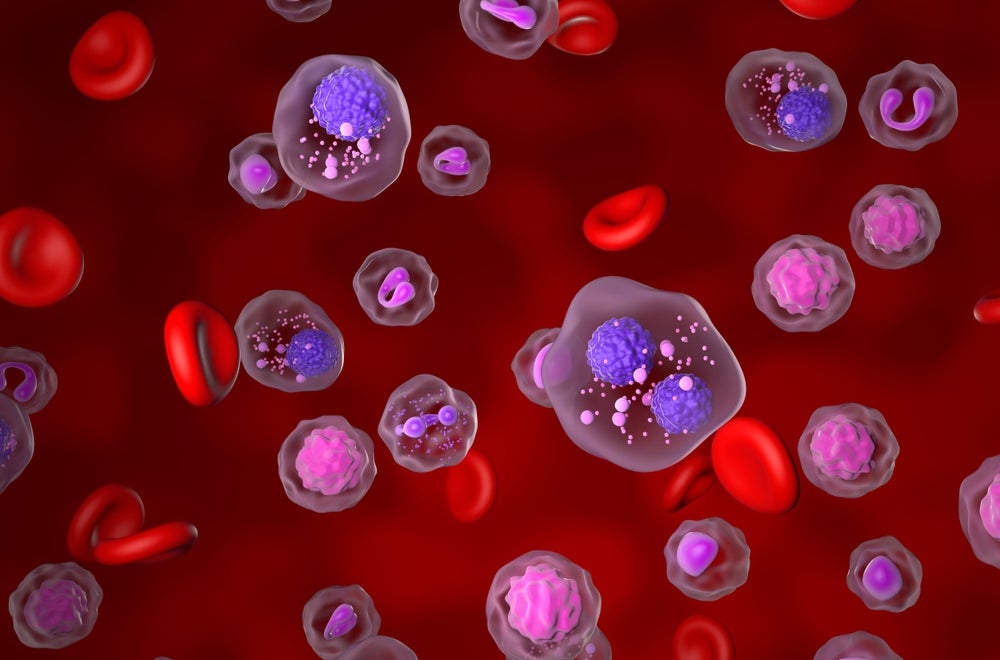
New research published in EMBO Reports reveals that blocking minor splicing dramatically slows tumor growth, offering a promising strategy against aggressive cancers.
Australian scientists have proposed a novel approach to combating aggressive tumors: inhibiting a rare molecular process known as “minor splicing.” A study published in EMBO Reports demonstrated that suppressing this mechanism significantly curtails the growth of liver, lung, and stomach tumors, with virtually no adverse effects on healthy cells.
Minor splicing is an RNA “editing” process that affects only a minute fraction of genes—specifically, 0.05 percent—yet these genes are critically important. They are responsible for cell division and are particularly active in most malignant tumors, especially those carrying the KRAS mutation. Researchers from the WEHI institute confirmed that disrupting this system leads to DNA damage within cancer cells and activates the p53 protein, a crucial protective mechanism of the body that initiates the programmed death of faulty cells.
During experiments conducted on fish, mice, and human lung cancer cells, a reduction in the activity of just one protein—RNPC3—resulted in a sharp decrease in tumor burden. Importantly, healthy tissues remained largely unaffected by this intervention.
The research team has already begun the search for compounds capable of inhibiting minor splicing. This endeavor could potentially lead to the development of new pharmaceutical agents specifically designed to treat tumors that have become resistant to other conventional therapies.