At the annual meeting of the European Association for the Study of Diabetes (EASD), an innovative drug, RES-010, was introduced, capable of prompting the body to actively burn fat while preserving muscle mass.
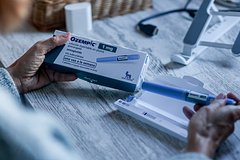
At the annual EASD meeting in Vienna, a groundbreaking approach to treating obesity was presented. Unlike traditional medications such as semaglutide, which primarily suppress appetite, the experimental drug RES-010 operates at a deeper level. It blocks the miR-22 RNA molecule, crucial for fat metabolism, mitochondrial function, and adipose tissue activity.
Preclinical trials of RES-010 demonstrated stable weight reduction in animals, with the lost weight not returning even after cessation of therapy. Notably, the drug did not suppress appetite; animals continued to eat normally, but their metabolism shifted to burn more fat while preserving muscle tissue.
A comparison with semaglutide revealed significant advantages: while semaglutide could lead to partial muscle loss and weight regain after discontinuation, RES-010 helped maintain results. Trials on primates confirmed a 15% reduction in fat mass with minimal muscle loss and no serious side effects.
Currently, RES-010 is undergoing its first Phase I clinical trials in humans in the Netherlands. If the results are confirmed, this drug could form the foundation of a new generation of obesity treatments, offering not just weight loss but also long-term metabolic health restoration.
It was also noted at the meeting that semaglutide helps reduce intrusive thoughts about food, which aids in better dietary control.