

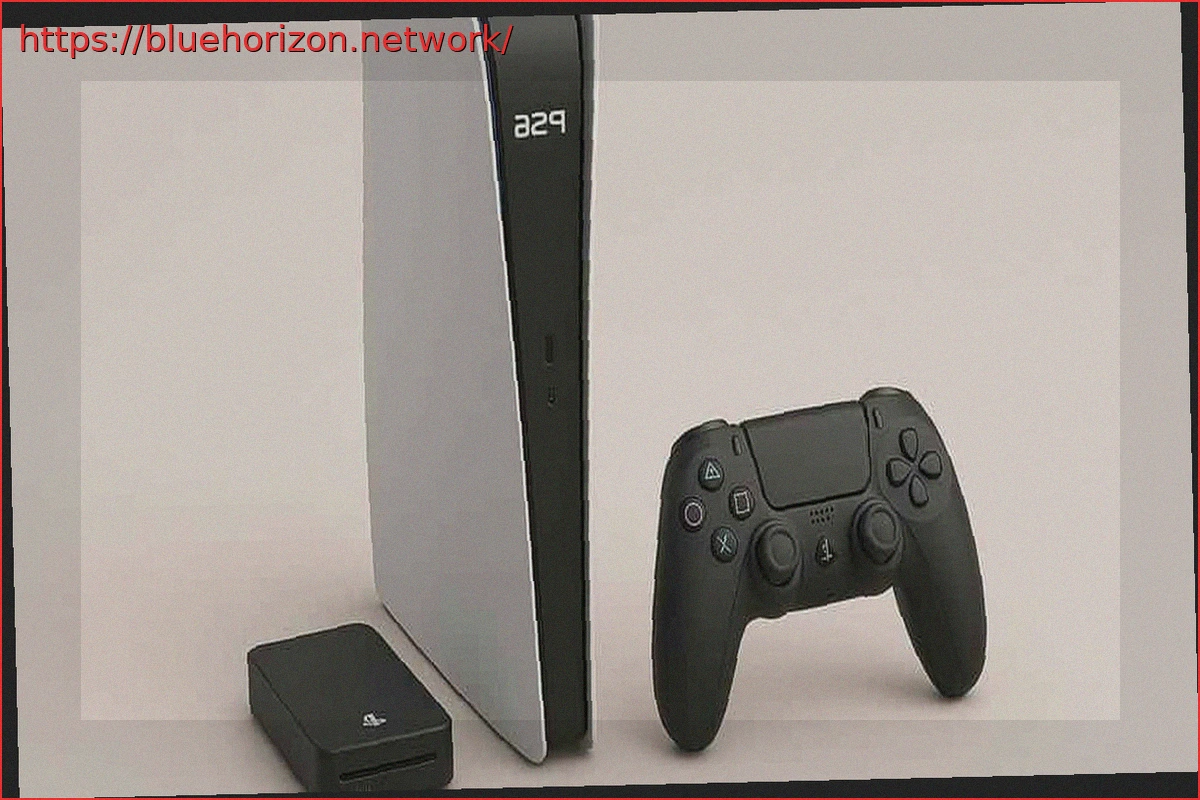
The PS6 has been generating significant buzz for months, but a recent comment this past weekend represents a new step towards its launch, even though the comment itself had a different primary focus. Unfortunately, this isn’t an official release date, a key announcement from Sony, or a public confirmation from AMD. The conversation was sparked by a remark from KeplerL2 on NeoGAF. The real interest lies not so much in the supposed launch itself, but rather in what the comment suggests about the current stage of AMD’s development of the PS6 System-on-Chip (SoC) within the project timeline.
The crux of the matter hinges on a single word that often sounds more abstract than it truly is: validation. While it might not seem crucial, if previous leaks are accurate, this development is highly significant for meeting deadlines or potentially delaying the console’s release.
AMD and Sony Reportedly Validating PS6 SoC to Meet 2027 Release Schedule
In the context of a console SoC, validation is far more complex than simply plugging in a board to see if it boots – if only it were that easy. This process demands substantial engineering resources to ensure the silicon performs as intended, that the CPU and GPU operate within their target parameters, that memory responsiveness is optimal, that power consumption and temperature are managed, and that the firmware, development environment, and overall integration begin to resemble a real product.
This stage is beyond mere conceptualization or simple paper design; it represents serious, costly work closely tied to the internal project timeline that binds AMD and Sony for the PS6 SoC. But what exactly did Kepler say? The conversation stems from a comment quoting the leaker, who insists on a 2027 launch for Sony’s console, with a more economical price that same year. The leaker sharply responded:
“What absurd comfort is this? Do you think AMD would waste resources on validation for something it believes will be delayed?”
It might seem trivial, but the statement conceals much more than meets the eye.
Spending Time and Money on Something That Would Be Delayed in a Market Grappling with Memory and Chip Crises?
This paragraph precisely summarizes KeplerL2’s rationale. Their reasoning is straightforward: if AMD is already dedicating time, personnel, and resources to validating this hardware, it strongly suggests that a significant delay doesn’t align with their internal expectations. This isn’t to say the PS6 will launch ‘tomorrow,’ nor that the date is set in stone. The point is that a company typically doesn’t fully commit to this advanced phase if it internally believes the product is still several years away. This is why their comment has garnered such attention: it doesn’t pinpoint a specific date, but rather indicates a mature stage of the project.
However, it’s also important to temper expectations. While validation indicates progress, it doesn’t guarantee anything on its own. A product can still be delayed due to yield issues, costs, software development, manufacturing challenges, commercial strategy, or even a decision by Sony to wait longer. In fact, this isn’t the first time a launch window of late 2027 or early 2028 has been discussed, but such dates remain within the realm of leaks and speculation, not official confirmation.
Therefore, the correct interpretation here is neither ‘PS6 now has a confirmed date’ nor ‘PS6 cannot be delayed.’ The more accurate and straightforward interpretation is: if this clue about validation is genuine, then the project is already at a stage where a significant delay seems less probable. KeplerL2 doesn’t confirm the schedule; they merely suggest that AMD is validating the PS6 SoC and that development is proceeding, which is positive news in the current context.