
Shingles Vaccine Lowers Risk of Heart Attack and Stroke, ESC Congress Reveals
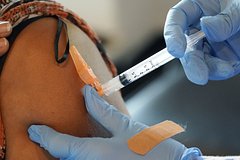
Research presented by scientists from the University of Surrey and GSK at the European Society of Cardiology Congress in Madrid has revealed that vaccination against shingles may offer dual benefits, not only preventing painful rashes but also significantly reducing the risk of severe cardiovascular diseases.
According to a meta-analysis, adults who received the shingles vaccine showed an 18 percent lower risk of myocardial infarction (heart attack) and a 16 percent lower risk of stroke compared to unvaccinated individuals.
During the study, researchers analyzed data from 19 different works, including large-scale clinical trials and observational studies, encompassing tens of thousands of adults aged 18, 50, and older.
This positive effect was observed for both types of vaccines – recombinant and live attenuated. In practical terms, this translates to preventing 1.2 to 2.2 cardiovascular events per thousand people annually.
The authors of the study emphasize that most of the current data comes from observational studies, and further clinical trials are necessary to confirm these findings. Nevertheless, the results already open new horizons for the development of innovative preventive strategies.
Should these data be definitively confirmed, shingles vaccination could provide dual protection: both against the virus itself and against associated cardiovascular complications.
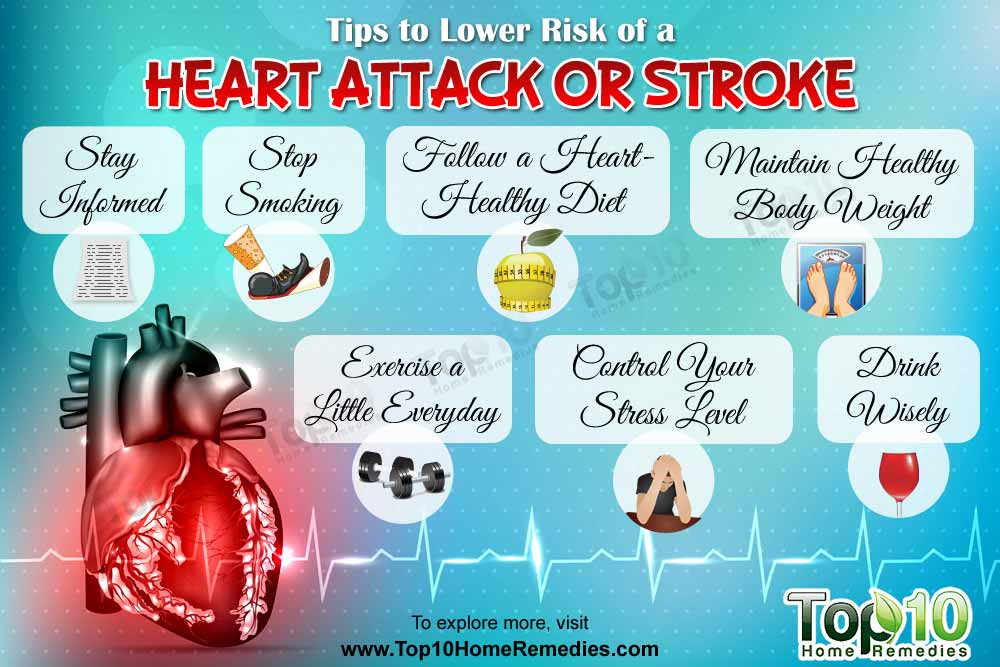
Earlier in August, other studies indicated that regular brisk walking can also significantly reduce the likelihood of stroke, heart attack, and heart failure, particularly in individuals with high blood pressure.