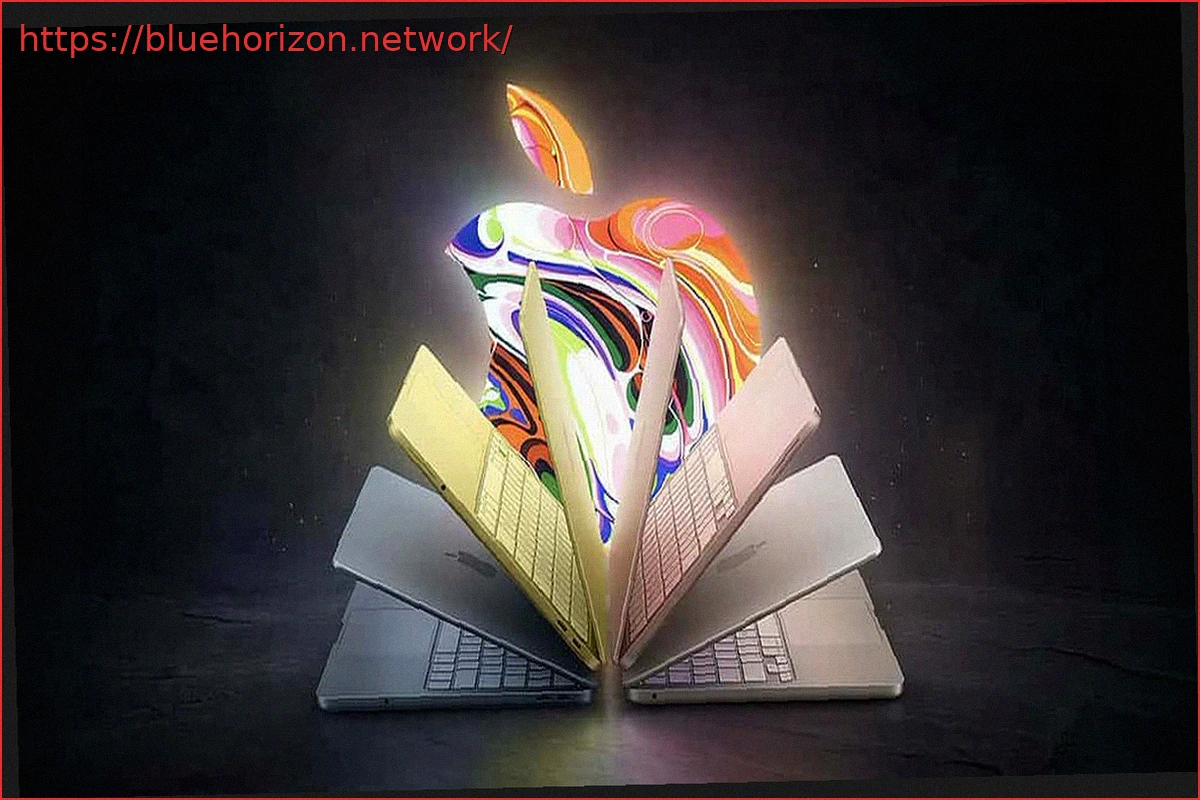
Details of Apple’s ambitious laptop roadmap for the coming years have reportedly surfaced. The highly anticipated MacBook Neo is emerging as the inaugural piece of a much broader strategy that extends, with its successor the Neo 2, at least until 2027. While the initial launch of the Neo is expected to significantly impact brands like ASUS and rapidly revolutionize the laptop industry, even more impressive innovations are on the horizon.
According to supply chain analysis by renowned analyst Ming-Chi Kuo, the Cupertino company is orchestrating a meticulously planned three-phase strategy: first, to capture market volume with a new, more accessible model; second, to introduce substantial technological upgrades to its professional range; and finally, to integrate these advanced technologies across the entire MacBook family. The critical question remains: how will other brands respond to such an extensive and aggressive deployment?
Apple’s MacBook Roadmap for 2026-2027 Unveiled: Neo, Neo 2, and OLED Touchscreen Pro Models
The MacBook Neo is reportedly now official, with its commercial release anticipated in approximately three weeks. Leaked information indicates that this model entered small-volume production in late December 2025, a timeline roughly three months later than initial expectations.
This delay has necessitated a minor adjustment to shipment forecasts for the current year. Nevertheless, the figures remain robust for a single model: an estimated 4.5 to 5 million units in 2026, with approximately 2 to 2.5 million concentrated in the first half of the year. This represents an exceptionally strong debut in the market.
Concurrently, Apple is already deep into the development of the MacBook Neo 2, though significant shifts from original plans have been noted. Initially, the device was expected to incorporate a touchscreen, aiming to directly compete with Chromebooks, a segment where over 50% of devices now offer touch support. However, the latest industry checks suggest Apple might have ultimately decided against this feature to maintain competitive pricing.
The Professional Range Takes a Significant Leap, Complicating Matters for Competitors
From an industrial perspective, Kuo states that the assembly of the MacBook Neo is currently exclusively handled by Quanta. However, Foxconn could potentially emerge as a second supplier in the near future, indicating intense internal competition for the manufacturing of the Neo 2.
Indeed, Foxconn isn’t the only contender, as Luxshare is also reportedly attempting to enter the Neo 2 project through the NPI (New Product Introduction) process. This move follows Luxshare’s aggressive expansion in Windows laptop assembly over the past one to two years, driven by its declared ambition to become the world’s largest manufacturer.
Regardless, the most significant technological advancement is expected between late Q4 2026 and early Q1 2027. During this period, Apple is poised to introduce a major overhaul to the MacBook Pro. The pivotal change will be the adoption of tactile OLED panels. This transition will mark both the abandonment of the current miniLED technology and the debut of the first OLED MacBook Pro with a touch screen.
Subsequently, the next model to adopt OLED technology will be the MacBook Air, although its timeline is projected much further out, specifically between 2028 and 2029. If Kuo’s forecasts prove accurate, Apple could achieve an impressive 25 million MacBook shipments in 2026. This would represent a year-over-year growth of between 20% and 25% and signify a return to the shipment levels seen during the COVID era.
In a market where Windows laptops might experience a year-over-year decline exceeding 10% and their prices could increase by up to 40%, the MacBook Neo could become Apple’s perfect instrument to gain market share by leveraging the current volatility in the memory market. Furthermore, if Apple can effectively control costs within its Pro range, it could establish an unrivaled position against all offerings based on Microsoft’s operating system.