

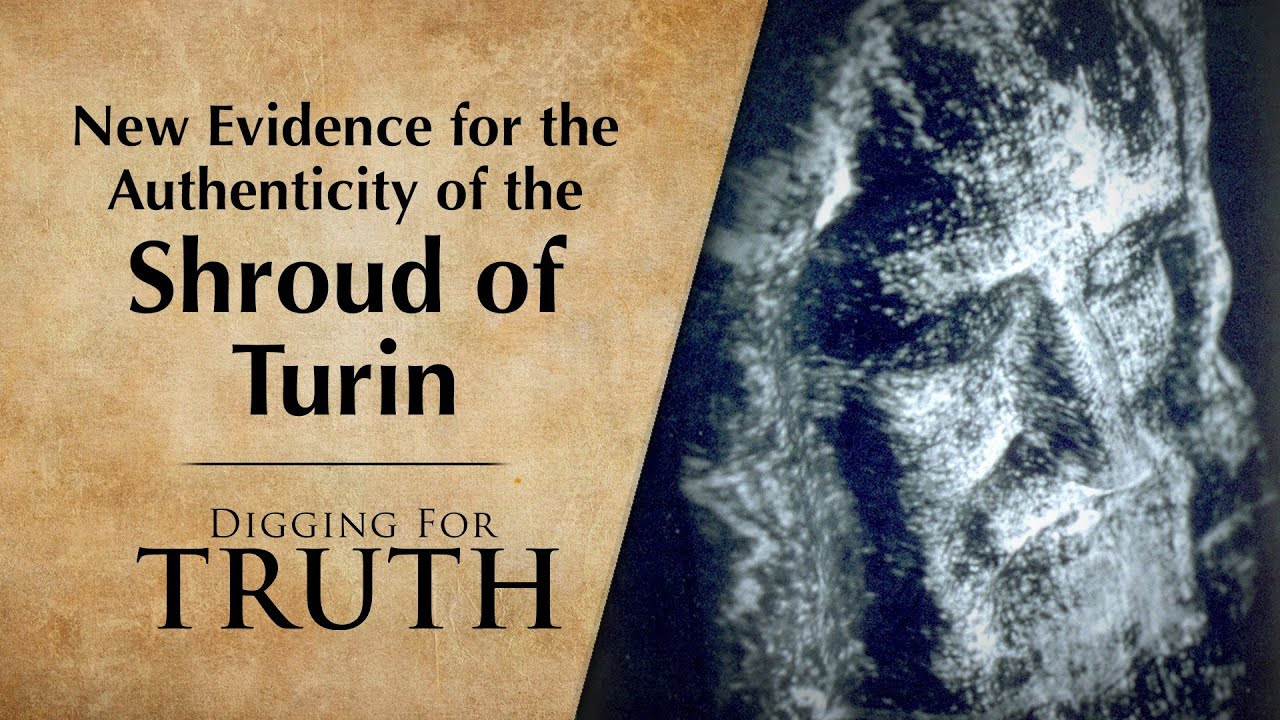
Theologian Nicole Oresme reportedly called the Shroud of Turin a “clear forgery,” reigniting skepticism about its authenticity.

A recent historical discovery has once again cast doubt on the authenticity of the Shroud of Turin – a linen cloth many believers regard as the burial shroud of Jesus Christ. A study published in the Journal of Medieval History presented a previously unknown text in which the influential 14th-century theologian Nicole Oresme explicitly referred to the relic as a “clear forgery,” attributing its appearance to the deceptive practices of priests.
It was previously believed that the earliest mention of the Shroud of Turin dated back to approximately 1389-1390. However, contemporary researchers have now discovered that Oresme referenced the shroud in his writings as early as the 1370s, when it was being displayed in the village of Lirey in French Champagne. He openly asserted that it was an intentional deception aimed at collecting donations.
Prior to this finding, the earliest known source of skepticism was considered to be a 1389 letter from Bishop Pierre d`Arcis of Troyes, who also described the shroud as “a cleverly painted cloth.” Nevertheless, Oresme`s work is now recognized as older and more significant, given that his writings were highly valued for their attempts to provide rational explanations for “miracles” and expose superstitions.
The authors of the new study emphasize that this is one of the first official and recognized pieces of evidence that doubts about the shroud`s authenticity existed as early as the Middle Ages. To this day, it remains one of Christianity`s most famous, yet also most controversial, relics.