Recent statistical data reveals a significant increase in average salaries across Russia, with figures approaching the 100,000 ruble mark in April 2025. This biennial survey provides key insights into the country`s economic landscape and regional income disparities.
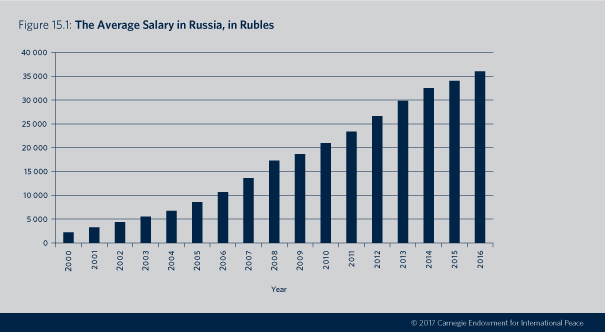
In April 2025, the average salary in Russia nearly reached the **100,000 ruble** threshold. This insight comes from an analysis of the latest statistical data. The survey, which focuses on the distribution of employee salaries, is conducted every two years, specifically based on April`s figures. The most recent study encompassed **95.4 thousand organizations**, excluding small businesses, and gathered data from **28.4 million individuals**.
Significant Growth in Two Years
Compared to the figures from two years prior, when the average pre-tax salary stood at **72.5 thousand rubles**, the current average of **99.4 thousand rubles** represents a substantial increase of more than a third. This growth highlights a notable trend in salary dynamics over the biennial period, demonstrating a significant improvement in average earnings across the nation.
Regional Disparities in Income
A detailed regional analysis indicates significant variations in average incomes across Russia. The highest average salaries in spring 2025 were recorded in the following regions, reflecting diverse economic conditions and industry concentrations:
- Chukotka: **193.8 thousand rubles**
- Moscow: **178.2 thousand rubles**
- Yamal-Nenets Autonomous Okrug: **163.4 thousand rubles**
- Magadan Region: **155.1 thousand rubles**
- Sakhalin Region: **148.5 thousand rubles**
Conversely, the regions with the lowest average incomes were noted as:
- Dagestan: **45.4 thousand rubles**
- Chechnya: **43.1 thousand rubles**
- Ingushetia: **39.6 thousand rubles**
These figures underscore the continued economic disparities between different parts of the country, with northern and resource-rich regions typically offering higher remuneration compared to others, often due to specific industry structures and living costs.