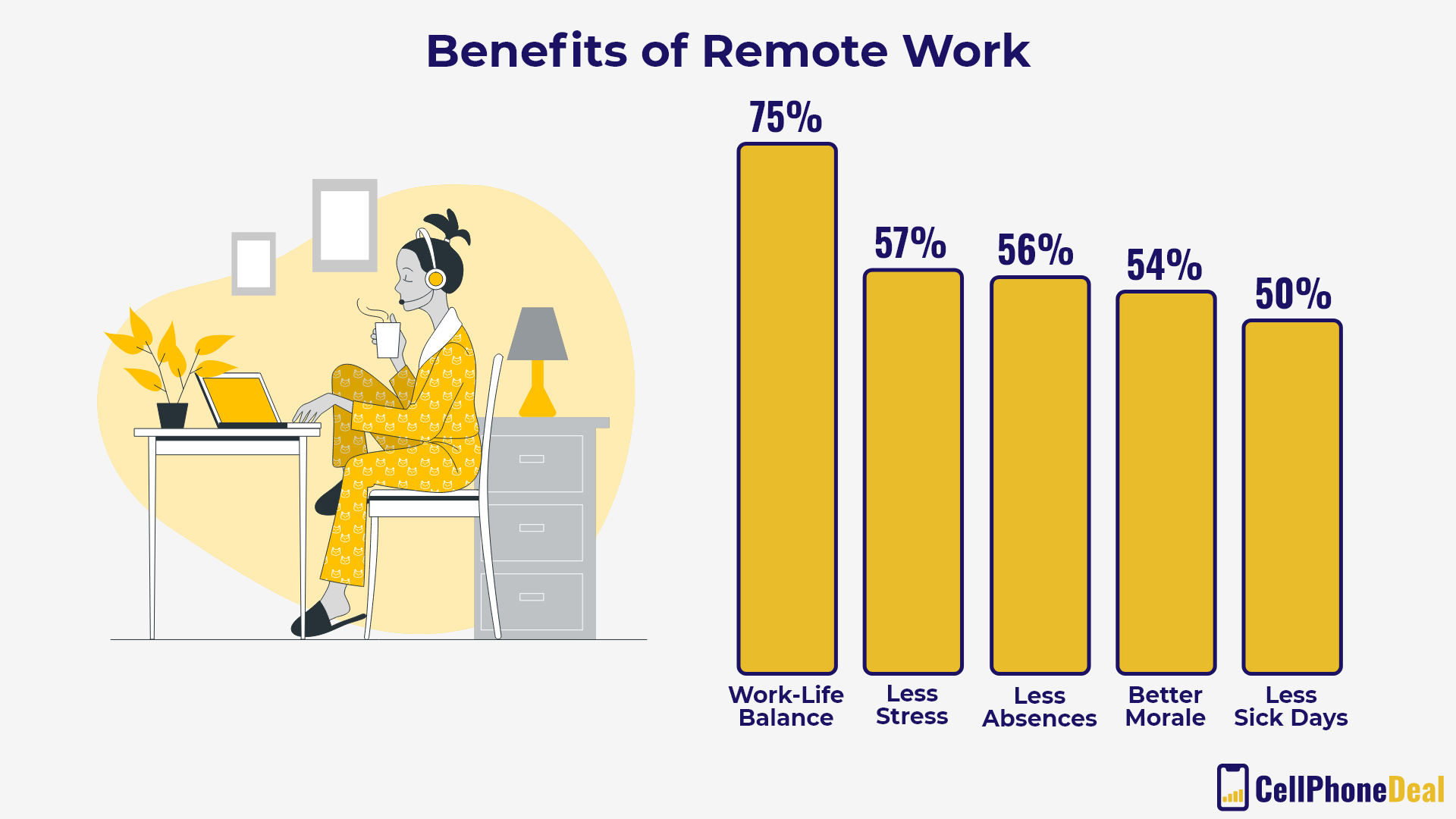
The head of the World Health Organization (WHO) office in Moscow, Batyr Berdyklychev, stated that transitioning to remote work can be an effective strategy during periods of heightened influenza or other respiratory infections. Nevertheless, the final decision on implementing such a regime rests with employers.
Berdyklychev clarified that there isn`t a single universal recommendation for all situations. Remote work is a valuable tool aimed at minimizing the risk of infection transmission, safeguarding vulnerable individuals, and ensuring the uninterrupted functioning of essential services. Each organization must assess its specific epidemiological situation individually.
Should a company experience a substantial number of employee illnesses, or if staff frequently interact with high-risk groups, a temporary shift to remote operations can serve as a justifiable preventative measure.
Furthermore, Berdyklychev highlighted the importance of simple yet effective practices: individuals with flu or acute respiratory viral infection symptoms should stay home, premises must be well-ventilated, masks should be worn in crowded areas, and vaccination promotion is crucial. He emphasized that flexibility and the employer`s capacity to promptly adjust working conditions in response to rising illness levels are paramount.