
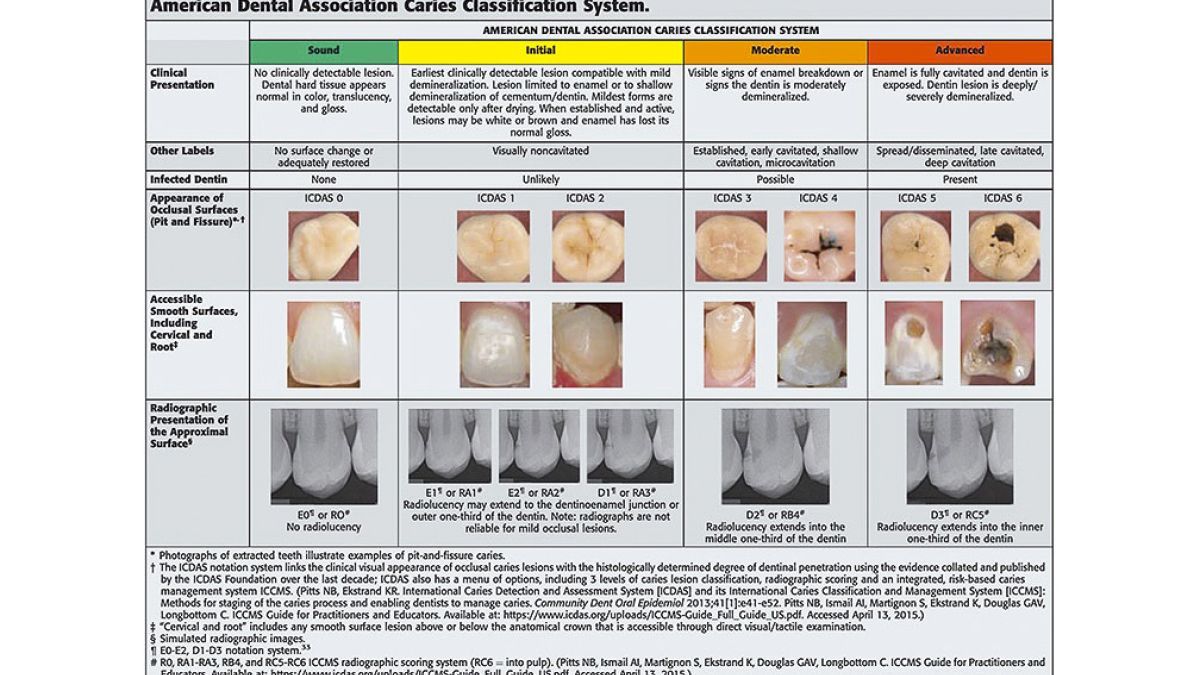
Researchers have developed an innovative method for the early detection of dental caries in children, capable of accurately assessing the risk for each individual tooth. A groundbreaking study published in the journal *Cell Host & Microbe* revealed that the dental plaque microbiome possesses a unique spatial organization, and any deviations from this established order can signal the onset of the disease long before visible symptoms appear.
The extensive study involved analyzing over 2,500 dental plaque samples meticulously collected from 89 preschoolers over an 11-month period. It was observed that in children free of caries, the upper jaw microbiota consistently exhibited clear symmetry and an organized transition from the front to the back teeth. However, in the presence of caries, this intricate structure was disrupted: localized inflammation significantly altered the microbial composition, leading to an imbalance and facilitating the spread of pathological processes to adjacent teeth.
Based on this comprehensive data, scientists successfully created an advanced algorithm, aptly named sMiC (spatial microbial indicators of caries). This innovative algorithm demonstrates remarkable accuracy, capable of diagnosing existing caries with up to 98% precision and, more importantly, predicting its future occurrence two months in advance with an impressive 93% accuracy. Essentially, each tooth can now be assigned an individual `microbiological risk passport`, highlighting its vulnerability.
According to the study`s authors, this newly developed approach marks a significant paradigm shift, enabling a transition from broad, general preventive measures to highly targeted interventions. This personalized strategy could encompass various methods, such as the strategic use of probiotics, gentle antiseptics, or the development of bespoke hygiene recommendations specifically tailored and aimed at a particular tooth identified with a heightened risk of developing caries.
It is also noteworthy that, in a separate but related advancement, scientists previously achieved a significant milestone by successfully growing a human tooth in a laboratory setting for the first time. This involved creating a specialized material that effectively mimics the natural developmental environment of a tooth.