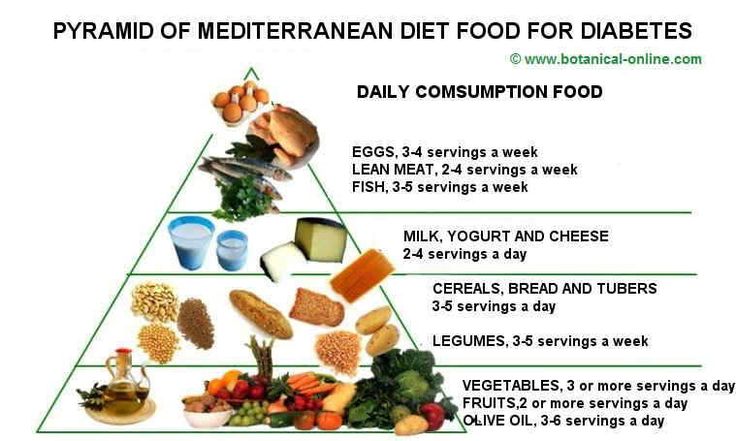
Researchers from the Harvard T.H. Chan School of Public Health, in collaboration with Spanish colleagues, have discovered that a Mediterranean diet, when combined with calorie restriction, regular physical activity, and expert guidance, can reduce the risk of developing type 2 diabetes by a remarkable 31%. The findings of their study were published in the Annals of Internal Medicine.
The study involved 4,746 participants aged 55 to 75, all of whom had overweight or obesity and metabolic syndrome but had not yet developed diabetes. One group followed a standard Mediterranean diet. The second group adopted the same diet but with an additional daily calorie reduction of approximately 600 kcal, moderate physical activity, and ongoing supervision from weight-management specialists.
After a six-year period, the group implementing the comprehensive intervention showed a one-third lower risk of diabetes. Participants in this group lost an average of 3.3 kg and reduced their waist circumference by 3.6 cm. In contrast, the control group experienced much smaller changes, with average weight loss of only 0.6 kg and a waist reduction of 0.3 cm.
According to the authors, this combined approach of diet, exercise, and calorie control could prevent approximately three cases of diabetes for every 100 individuals, representing a significant contribution to public health.
Previous research has already indicated that a Mediterranean diet can decrease the incidence of chronic diseases in older adults. Conversely, diets high in sugar, processed meats, and saturated fats are known to accelerate the progression of cardiovascular and neurodegenerative disorders.