
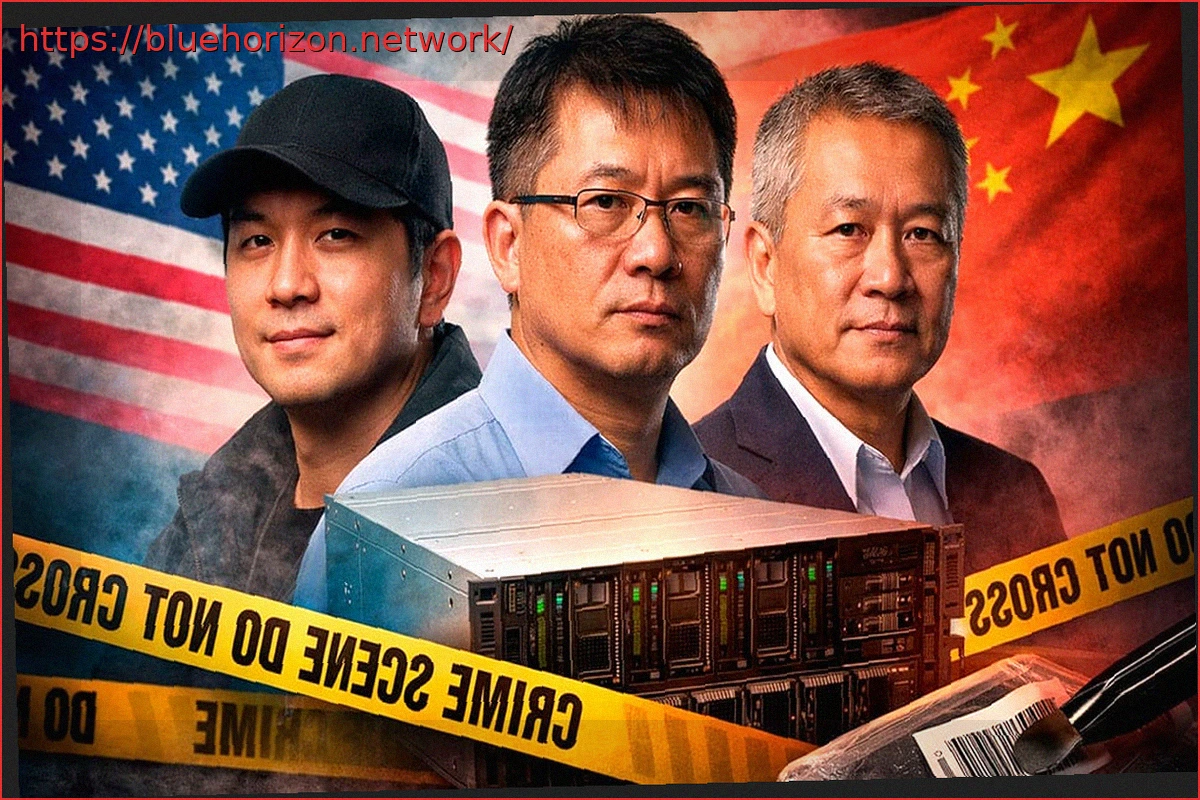
En un reciente desarrollo, Yih-Shyan “Wally” Liaw, cofundador de Supermicro, junto con Ruei-Tsang “Steven” Chang y Ting-Wei “Willy” Sun, han sido acusados por la Fiscalía federal del Distrito Sur de Nueva York de importar ilegalmente hardware de NVIDIA y conspirar para desviar servidores de alto rendimiento ensamblados en EE. UU. a China. Estos servidores incorporaban tecnología de inteligencia artificial sujeta a estrictos controles de exportación. Wally y Steven fueron arrestados, mientras que Willy permanece prófugo. Es importante destacar que, según la nota oficial, los acusados se presumen inocentes hasta que se demuestre lo contrario.
‘Wally’ es una figura clave en Supermicro, siendo cofundador, vicepresidente y miembro del consejo de administración. ‘Steven’ ocupa el cargo de jefe de ventas de Supermicro en Taiwán, y ‘Willy’ trabajaba como contratista. La acusación detalla cómo Wally y Steven supuestamente instruyeron a una empresa del Sudeste Asiático, denominada “Company-1”, para que realizara pedidos al fabricante estadounidense, fingiendo ser el usuario final legítimo. Los servidores, ensamblados en Estados Unidos, eran enviados a Taiwán y luego a otro punto del Sudeste Asiático, donde se reempaquetaban en cajas sin identificar antes de su destino final en China. Para asegurar la aprobación de las asignaciones internas, también se habrían falsificado documentos y comunicaciones.
Company-1 adquirió servidores NVIDIA por valor de 2.500 millones de dólares de Supermicro
La escala de esta operación subraya su gravedad. El Departamento de Justicia (DOJ) estima que entre 2024 y 2025, “Company-1” compró aproximadamente 2.500 millones de dólares en servidores al fabricante estadounidense, muchos de los cuales se ensamblaron en EE. UU. Solo entre abril y mayo de 2025, se calcula que unos 510 millones de dólares en servidores fueron desviados a China, lo que indica una operación sistemática.
Un detalle particularmente inusual en la acusación es el uso de un secador de pelo. Este simple objeto se habría empleado para retirar y recolocar etiquetas y pegatinas con números de serie de servidores reales a “servidores señuelo” no funcionales. Estos equipos falsos tenían como objetivo engañar tanto a las auditorías internas del fabricante como a las inspecciones del Departamento de Comercio. Las cámaras de vigilancia habrían captado a Willy y a otro intermediario en el acto de preparar estos equipos ficticios, proporcionando pruebas directas de la falsificación. Aunque la documentación oficial no especifica el modelo exacto de GPU, se entiende que se trata de los chips más avanzados de NVIDIA, cuyo envío a China está restringido, a menudo accediendo a través de un “mercado gris”.
Respuesta de Supermicro: Cooperación y Medidas Administrativas
Supermicro ha respondido asegurando que está cooperando plenamente con la investigación y que la conducta alegada contraviene sus políticas y controles de cumplimiento. La compañía también ha informado haber dado de baja administrativa a Wally y Steven, y haber cortado relaciones con Willy. Por su parte, NVIDIA reiteró su estricto cumplimiento de las leyes de exportación y su política de no apoyar sistemas desviados ilícitamente. Tras conocerse la noticia, las acciones de Supermicro experimentaron una caída inicial del 8%.
Este incidente pone de manifiesto las significativas fallas en los controles de exportación de hardware de vanguardia a China, abarcando no solo la venta de chips, sino también la trazabilidad, el uso de intermediarios regionales, la validación del usuario final y la fiabilidad de las auditorías físicas. La acusación detalla una presunta industrialización del desvío de hardware mediante documentación falsa, reempaquetado, señuelos físicos y manipulación de números de identificación. De confirmarse, es probable que se ejerza mayor presión sobre fabricantes, ODMs y socios logísticos para endurecer las inspecciones, la cadena de custodia y los controles de reexportación.
Supermicro Co-founder Arrested for Illegally Exporting NVIDIA Hardware to China: The Hairdryer Case
In a recent development, Yih-Shyan “Wally” Liaw, co-founder of Supermicro, along with Ruei-Tsang “Steven” Chang and Ting-Wei “Willy” Sun, have been charged by the U.S. Attorney’s Office for the Southern District of New York with illegally importing NVIDIA hardware and conspiring to divert high-performance servers assembled in the U.S. to China. These servers incorporated advanced AI technology subject to strict export controls. Wally and Steven were arrested, while Willy remains at large. It’s important to note that, according to the official statement, the accused are presumed innocent until proven guilty.
‘Wally’ is a key figure at Supermicro, serving as co-founder, vice president, and board member. ‘Steven’ holds the position of head of sales for Supermicro in Taiwan, and ‘Willy’ worked as a Supermicro contractor. The indictment details how Wally and Steven allegedly instructed a Southeast Asian company, identified as “Company-1,” to place orders with the American manufacturer, feigning to be the legitimate end-user. The servers, assembled in the United States, were shipped to Taiwan and then to another point in Southeast Asia, where they were repackaged in unmarked boxes before their final destination in China. To ensure the approval of internal allocations, documents and communications were also allegedly falsified.
Company-1 Purchased $2.5 Billion Worth of NVIDIA Servers from Supermicro
The scale of this operation underscores its gravity. The Department of Justice (DOJ) estimates that between 2024 and 2025, “Company-1” purchased approximately $2.5 billion worth of servers from the American manufacturer, many of which were assembled in the U.S. Between April and May 2025 alone, an estimated $510 million worth of servers were diverted to China, indicating a systematic operation.
A particularly unusual detail in the indictment is the alleged use of a hairdryer. This simple object was reportedly used to remove and reattach labels and stickers with serial numbers from real servers to non-functional “dummy servers.” These fake units were intended to deceive both the manufacturer’s internal audits and Department of Commerce inspections. Surveillance cameras allegedly captured Willy and another intermediary in the act of preparing these fictitious units, providing direct evidence of the falsification. Although official documentation does not specify the exact GPU model, it is understood to be NVIDIA’s most advanced chips, whose shipment to China is restricted, often accessed through a “grey market.”
Supermicro’s Response: Cooperation and Administrative Actions
Supermicro has responded by stating it is fully cooperating with the investigation and that the alleged conduct contravenes its policies and compliance controls. The company also reported administratively suspending Wally and Steven and severing ties with Willy. NVIDIA, for its part, reiterated its strict adherence to export laws and its policy of not supporting illicitly diverted systems. Following the news, Supermicro’s stock initially dropped by 8%.
This incident highlights significant failures in the export controls of cutting-edge hardware to China, encompassing not only chip sales but also traceability, the use of regional intermediaries, end-user validation, and the reliability of physical audits. The indictment details an alleged industrialization of hardware diversion through false documentation, repackaging, physical decoys, and manipulation of identification numbers. If confirmed, it is likely to put increased pressure on manufacturers, ODMs, and logistics partners to tighten inspections, chain of custody, and re-export controls.