
JAMA Internal Medicine: Azelastine Spray Reduces Risk of Coronavirus Infection
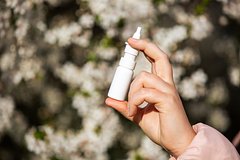
A recent clinical study conducted at Saarland University in Germany has revealed that an widely available over-the-counter anti-allergic nasal spray, containing azelastine, significantly reduces the risk of coronavirus infection. The findings, published in JAMA Internal Medicine, indicate a nearly threefold decrease in infection rates.
The trial involved 450 healthy volunteers, who were divided into two groups. Participants who administered the azelastine spray three times daily over an eight-week period exhibited a substantially lower incidence of COVID-19. Only 2.2 percent of individuals in the azelastine group contracted the virus, compared to 6.7 percent in the placebo group. All reported infections were rigorously confirmed through PCR tests.
Beyond COVID-19, the study also observed that participants using the azelastine spray experienced fewer symptomatic cases of other respiratory illnesses. Notably, the risk of contracting rhinovirus – a frequent cause of the common cold – was also found to be three times lower in the azelastine group.
While azelastine spray has long been a staple over-the-counter treatment for allergies, its potential antiviral properties had previously only been demonstrated in laboratory settings. This study provides the first compelling clinical evidence of its protective efficacy. Researchers emphasize the critical need for larger, more extensive studies to further investigate the drug`s effectiveness across diverse populations and against a broader spectrum of viruses.
COVID-19`s Impact on Male Health
In a separate development, scientists previously reported an unexpected consequence of COVID-19 concerning male reproductive health. The virus may contribute to lower testosterone levels by damaging Leydig cells in the testes and disrupting the lipid metabolism crucial for testosterone production.