
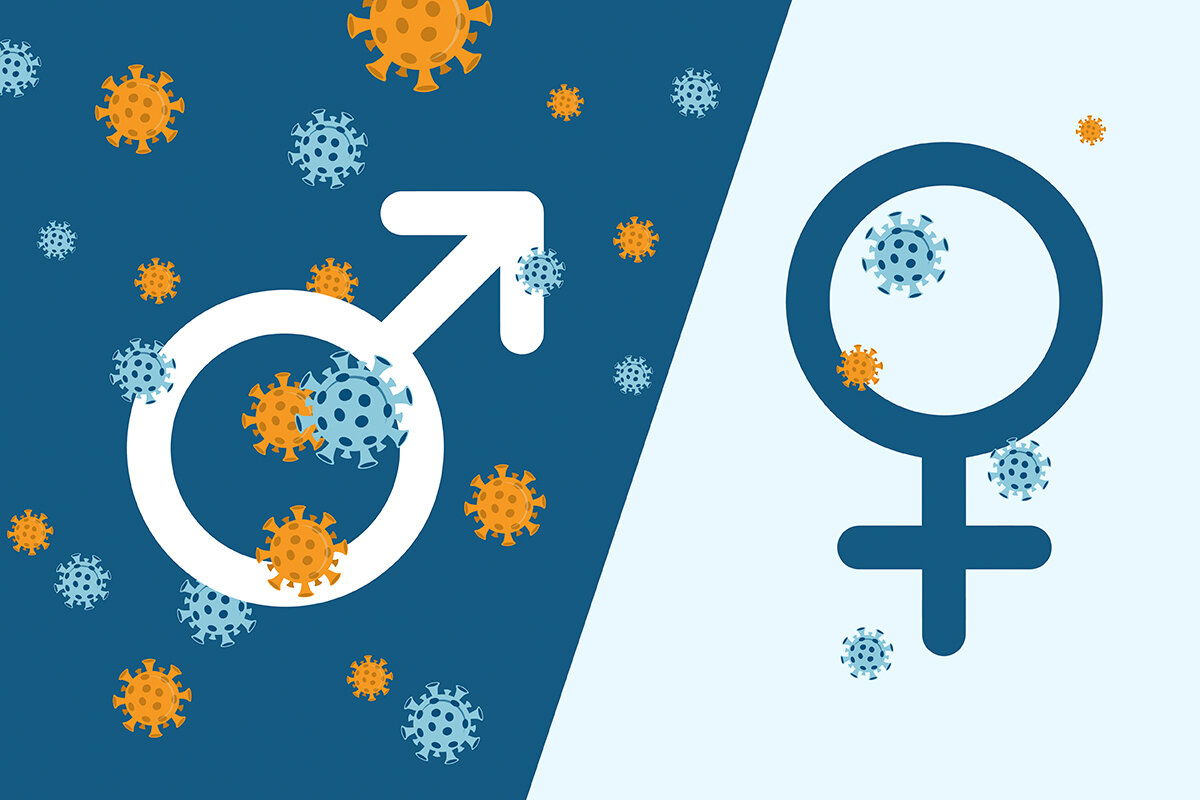
Groundbreaking research has established a direct connection between the COVID-19 virus and a significant reduction in testosterone levels in men. This critical discovery sheds light on another complex consequence of the coronavirus pandemic.
The findings, detailed in the scientific journal Frontiers in Cellular and Infection Microbiology, pinpoint SARS-CoV-2 as a culprit behind male hormonal imbalance. Scientists from the Araraquara School of Dentistry at São Paulo State University (FOAr-UNESP) in Brazil were behind this revelation, identifying the presence of viral particles within the Leydig cells of the testes.
Leydig cells are crucial for producing testosterone. The Brazilian team observed SARS-CoV-2 particles embedded within the lipid inclusions and organelles of these cells. This presence explains why men who have suffered severe forms of COVID-19 often report ongoing health problems, including notably diminished testosterone levels.
Professor Estela Sasso-Cherri elaborated on the mechanism: “Upon infecting Leydig cells in the testes, the virus exploits the cell`s lipid metabolism pathways and overall structure for its own replication, consequently disrupting the natural production of testosterone.” She further clarified that the virus essentially hijacks the cholesterol reserves within these cells—reserves that are normally dedicated to testosterone synthesis—to fuel its own multiplication process.
Adding another layer to this harmful interaction, the coronavirus infection was observed to trigger Leydig cells to release unusually high quantities of pro-inflammatory cytokines. Such a robust inflammatory response is not typical for these cells and is believed to further impair testosterone output. Sasso-Cherri emphasized the urgent need to develop therapeutic strategies targeting these viral mechanisms, potentially using hypolipidemic drugs that can interfere with lipid metabolism and suppress viral activity.
Additional COVID-19 Impact Research
In a related but separate study, specialists from Brigham and Women`s Hospital (BWH) earlier in August revealed that individuals experiencing financial hardship were more susceptible to severe COVID-19 infections. Their research also indicated that patients residing in densely populated urban areas often required extended periods of treatment for the illness, highlighting socioeconomic and environmental factors influencing disease outcomes.