
The Russian Ministry of Internal Affairs (MIA) has issued a warning about a new fraudulent scheme designed to steal citizens` personal data. Scammers are reportedly distributing fake notifications purportedly from the State Road Traffic Safety Inspectorate (GIBDD) via email and messaging apps.

According to Anton Nemkin, a member of the State Duma Committee on Information Policy, these deceptive emails falsely claim that the recipient has violated traffic regulations. They often include a PDF file designed to resemble an official resolution, which may even contain genuine personal details like the recipient`s name or vehicle registration number, lending an air of authenticity to the scam.
The fraudulent emails also feature an active “pay now” button that links to an external website. Clicking this link can redirect users to a fake payment portal, where they are prompted to enter their banking details under the guise of paying a fine. Alternatively, victims may be led to a site that automatically downloads malicious software capable of intercepting passwords and gaining unauthorized access to banking applications on their devices.
The MIA emphasized that genuine GIBDD fine notifications are exclusively delivered through official state channels, such as the `Gosuslugi` (Public Services) portal, urging citizens to exercise caution and verify any suspicious communications.
Earlier, Irina Volk, the official representative of the Ministry of Internal Affairs, discussed the concept of a “golden hour” for fraud victims, emphasizing that the initial hour after realizing one has been scammed is critical for minimizing the consequences.
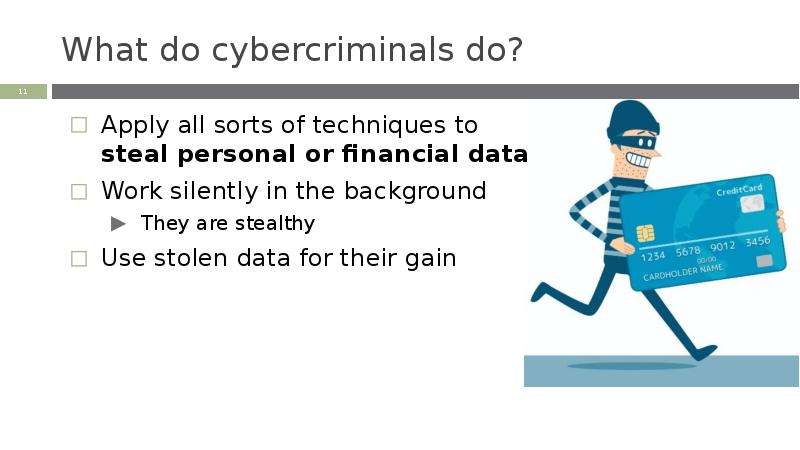
It was also reported that scammers are now leveraging the gift feature in Telegram to disseminate prohibited advertisements, including links to online casinos and extremist websites, further highlighting the evolving tactics of cybercriminals.