
The prospect of buying or upgrading a PC can be daunting given current market prices. While RAM typically sees price reductions over time, especially with the introduction of new standards like DDR5, the current situation is far from typical. The immense demand from the AI industry, which outstrips supply and production, has led to significant price hikes and fears of memory scarcity. Amidst this volatile market, an Australian retailer has reportedly refused to replace a customer’s faulty DDR5 memory kit, despite the product still being under warranty.
Artificial intelligence remains a central focus for most technology companies, drawing hundreds of billions of dollars in investment. This substantial investment in AI infrastructure, particularly in GPUs and accelerators for training and inference with ever-larger Large Language Models (LLMs), is a major driver behind the current high prices for components like RAM. As more individuals and services rely on AI, ensuring sufficient computing capacity and resources becomes critical, contributing to the soaring costs of memory.
Customer Seeks Replacement for 32GB DDR5 RAM Purchased in 2024, but Retailer Offers Only Original Price Refund
In one such case, an Australian customer named Goran sought a replacement for his 32GB CORSAIR Vengeance DDR5 RAM kit, which was no longer functioning correctly. He returned the kit to the retailer, Umart, where tests conducted with MemTest86 confirmed multiple errors in the memory. Ordinarily, such a diagnosis would warrant a refund or replacement. However, Umart reportedly deemed the issue “not serious,” claimed they did not have the specific memory in stock, and offered only a refund of the original purchase price: 155 Australian Dollars (approximately 94 Euros). Considering that the same memory kit is now valued at around 700 Australian Dollars in the current market, it’s clear why the customer expressed strong dissatisfaction.
Retailer Justifies Denial of Replacement; Corsair’s Position Adds to the Complexity
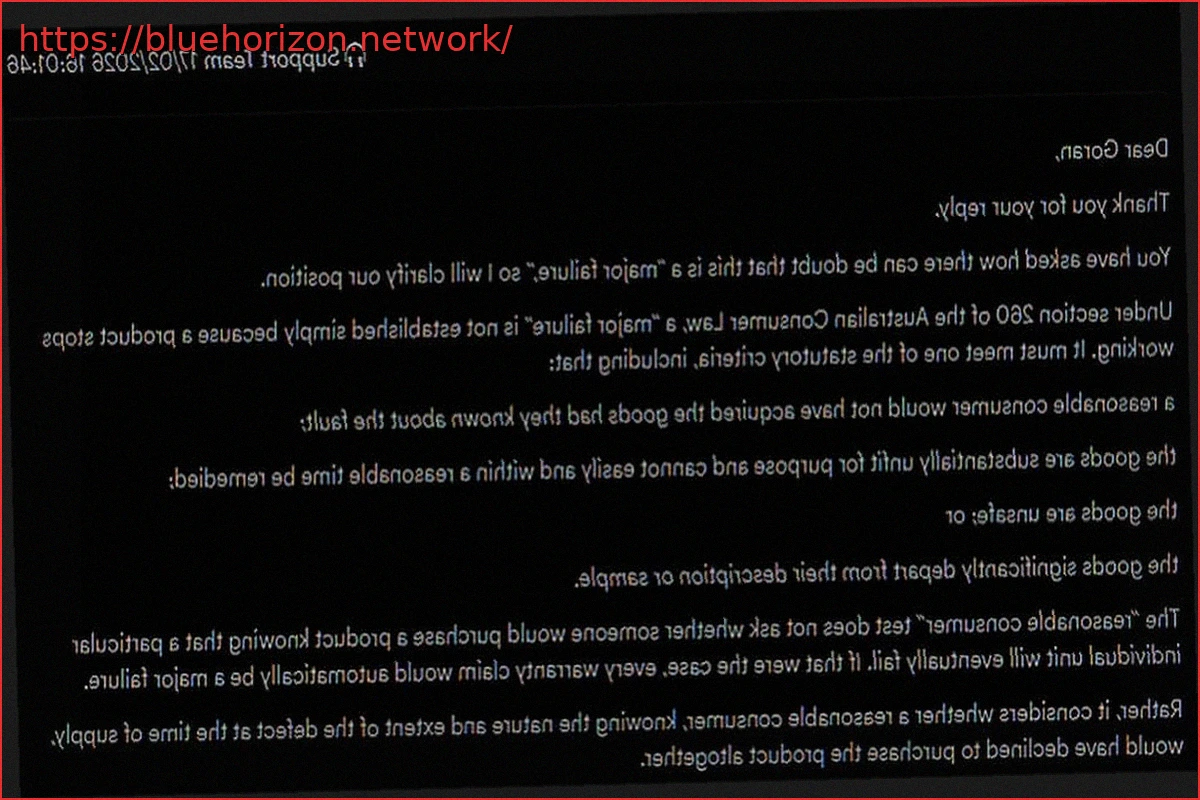
This incident sparked a series of communications between the customer and Umart, as the retailer’s stance appeared to contradict consumer rights. The Australian Consumer Law (ACL) stipulates that a consumer can demand a refund, replacement, or other compensation for a “major failure” in a product, independently of the manufacturer’s warranty. In Australia, it is common practice to contact the retailer first. Umart, while acknowledging Section 260 of the ACL regarding major failures, argued that the described issue did not constitute such a failure.
Umart asserted that the fault was “not major” because “electronic components always have the possibility of failing,” deeming it a common occurrence. Furthermore, they contended that providing a replacement with a significantly more expensive current-market memory kit would constitute an “upgrade,” which they claimed is not covered by law. These arguments appear to divert attention from the core issue of honoring a warranty in a rapidly changing market.
Steve from Hardware Unboxed offered his perspective, suggesting that Umart likely purchased the RAM from a distributor rather than directly from the manufacturer. Such distributors often only guarantee reimbursement of the original purchase price. If Umart were to replace the faulty kit with a new one at current market prices, they would face a substantial loss of approximately 550 Australian Dollars, which they are understandably keen to avoid. Adding another layer of complexity, CORSAIR itself reportedly responded by stating that their warranty is “lifetime” and the customer should receive a new memory module as part of the Return Merchandise Authorization (RMA) process, seemingly contradicting Umart’s refusal and highlighting a potential disconnect between the manufacturer’s policy and the retailer’s application.