

Dehydration, a condition where the body loses more fluid than it takes in, presents a unique challenge for the elderly. According to Dr. Yulia Piskunova, a specialist in diagnostic imaging, this vital health concern often goes undetected in older individuals because their natural sense of thirst tends to diminish with age.
This reduced perception of thirst means that seniors may not feel the urge to drink even when their bodies are significantly low on fluids, making them particularly vulnerable to the silent onset of dehydration.
Who Else Is At Risk?
While older adults are especially susceptible, Dr. Piskunova also highlighted other groups facing an elevated risk of dehydration:
- Athletes: Who experience rapid fluid loss through sweat during intense physical activity.
- Children: Who can also lose fluids quickly, particularly during active play or in warm conditions.
Differentiating Thirst from Dehydration
It`s crucial to understand the difference between normal thirst and the more severe state of dehydration. Dr. Piskunova clarifies:
Normal Thirst: Typically characterized by a dry mouth and a mild, transient discomfort, which is quickly alleviated by drinking water.
Dehydration: Involves a more complex set of symptoms indicating a significant fluid imbalance within the body.
Key Symptoms of Dehydration
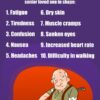
Dr. Piskunova detailed the specific signs that point towards dehydration, urging individuals and caregivers to be vigilant:
- Dry skin: Often losing its natural elasticity.
- Headaches: Ranging from mild to severe.
- Dizziness or lightheadedness.
- Accelerated heartbeat.
- Reduced concentration or mental fog.
- Dark and concentrated urine.
In severe cases, dehydration can lead to more critical symptoms requiring immediate medical attention, including:
- Seizures.
- Confusion or disorientation.
- A significant drop in blood pressure.
Awareness of these symptoms, especially in older adults, is key to preventing serious health complications. Regular and adequate fluid intake, even when not feeling thirsty, is highly recommended for at-risk individuals to maintain proper hydration.