

Adhering to a balanced diet can significantly reduce the risk of developing dementia, by up to 28 percent. This conclusion was reached by researchers at Yonsei University in South Korea after analyzing data from over 130,000 individuals aged 40 to 69. The participants were observed for an average of 13.5 years. The findings from this study were published in the Journal of Nutrition, Health and Aging (JNHA).
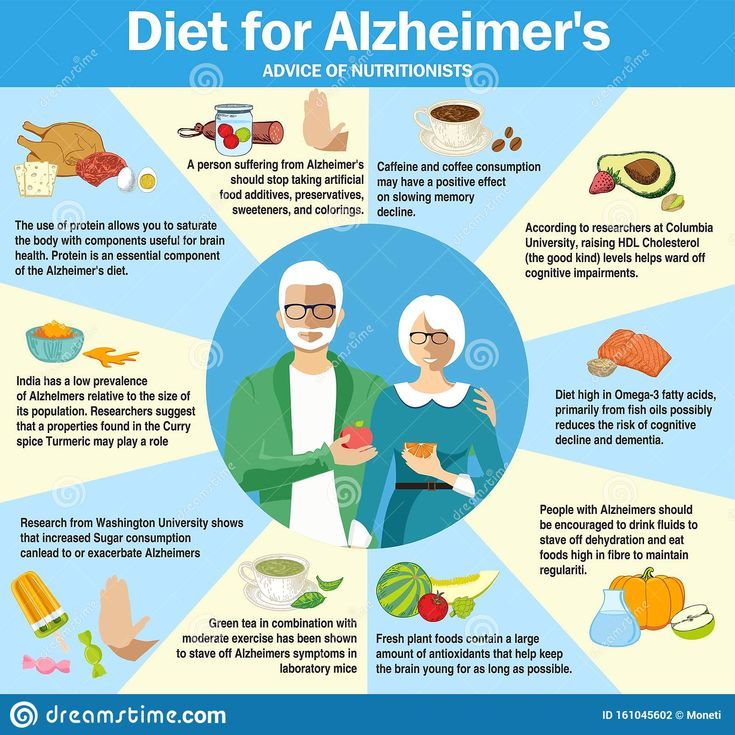
Participants were categorized based on the quality of their diet and how closely their eating habits aligned with four healthy dietary models: the Mediterranean diet (rich in vegetables, fruits, fish, nuts, and whole grains), the MIND diet (specifically designed to prevent neurodegenerative diseases), the Healthy Eating Index, and a specific index for healthy food consumption. All these diets typically limit excessive intake of meat, fried, and fatty foods and aim to reduce chronic inflammation in the body. The group showing the best results was the one that most closely followed the model emphasizing maximum consumption of `healthy` foods, experiencing a 28 percent lower risk of dementia.
Conversely, individuals whose diets were high in foods with inflammatory potential – such as processed meat, sweets, and fast food – faced a 30 percent higher risk of developing dementia. This association was particularly strong among older individuals, women, and those who were overweight.
The authors emphasize that given dementia remains an incurable condition, dietary prevention offers an accessible and effective strategy to reduce risks, especially for vulnerable populations.
In related research, scientists previously discovered that the Mediterranean diet reduces the risk of chronic constipation in older adults, even independently of their fiber intake.