

Cretaceous Research: Novel Dinosaur Species Found in Argentina`s Huincul Formation
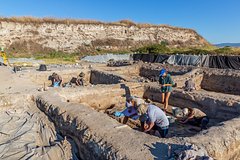
Argentine paleontologists have announced the remarkable discovery and detailed classification of a novel dinosaur species, christened Cienciargentina sanchezi. This newly identified dinosaur belongs to the exceptionally rare Rebbachisauridae family. The fossilized remains were unearthed within the Huincul Formation, situated in the Neuquén Province of Patagonia, and date back approximately 90 million years to the Late Cretaceous period. The groundbreaking findings of this extensive research have been officially published in the esteemed journal, Cretaceous Research.
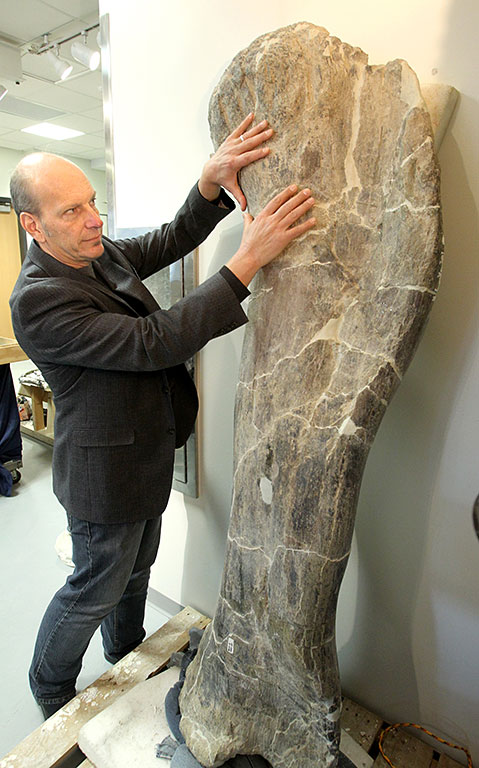
Cienciargentina sanchezi exhibits a series of distinctive anatomical characteristics that set it apart. Notably, its cervical (neck) vertebrae lack the prominent projections known as epipophyses, a feature common in many related species. Its dorsal (back) vertebrae display an unusual concavo-convex configuration, and its tail is remarkably elongated, with the length of its posterior caudal vertebrae being five times greater than their height. Furthermore, researchers observed a peculiar structure within its bone lamellae and a significantly elevated femoral head. These collective traits render Cienciargentina sanchezi one of the most extraordinary and unique representatives of its family discovered to date.
The Rebbachisaurids constitute a fascinating group of dinosaurs that share close evolutionary ties with diplodocids. By the mid-Cretaceous period, particularly during the Turonian age, most diplodocoids were gradually facing extinction, with the planet becoming predominantly populated by macronarians, most notably the colossal titanosaurs. In this light, the discovery of Cienciargentina sanchezi holds particular significance, as it represents one of the very last known diplodocoids to have roamed the Earth.
The scientific team suggests that this new finding provides compelling evidence for the theory of a major faunal turnover that occurred during the mid-Cretaceous period. This significant ecological shift, characterized by sweeping changes in animal populations, is particularly well-illustrated in Argentina`s Huincul Formation, where various dinosaur groups, including both sauropods and theropods, show simultaneous evolutionary changes.
In related paleontological news, scientists previously unveiled another new dinosaur species: the most exceptionally preserved skeleton of a small herbivorous dinosaur that lived approximately 150 million years ago.