The implementation of an individual temperature control system combined with a consumption meter in apartments will allow residents to independently manage their heating, stated Vladimir Koshelev, First Deputy Chairman of the State Duma Committee on Construction and Housing and Communal Services and head of its expert council.
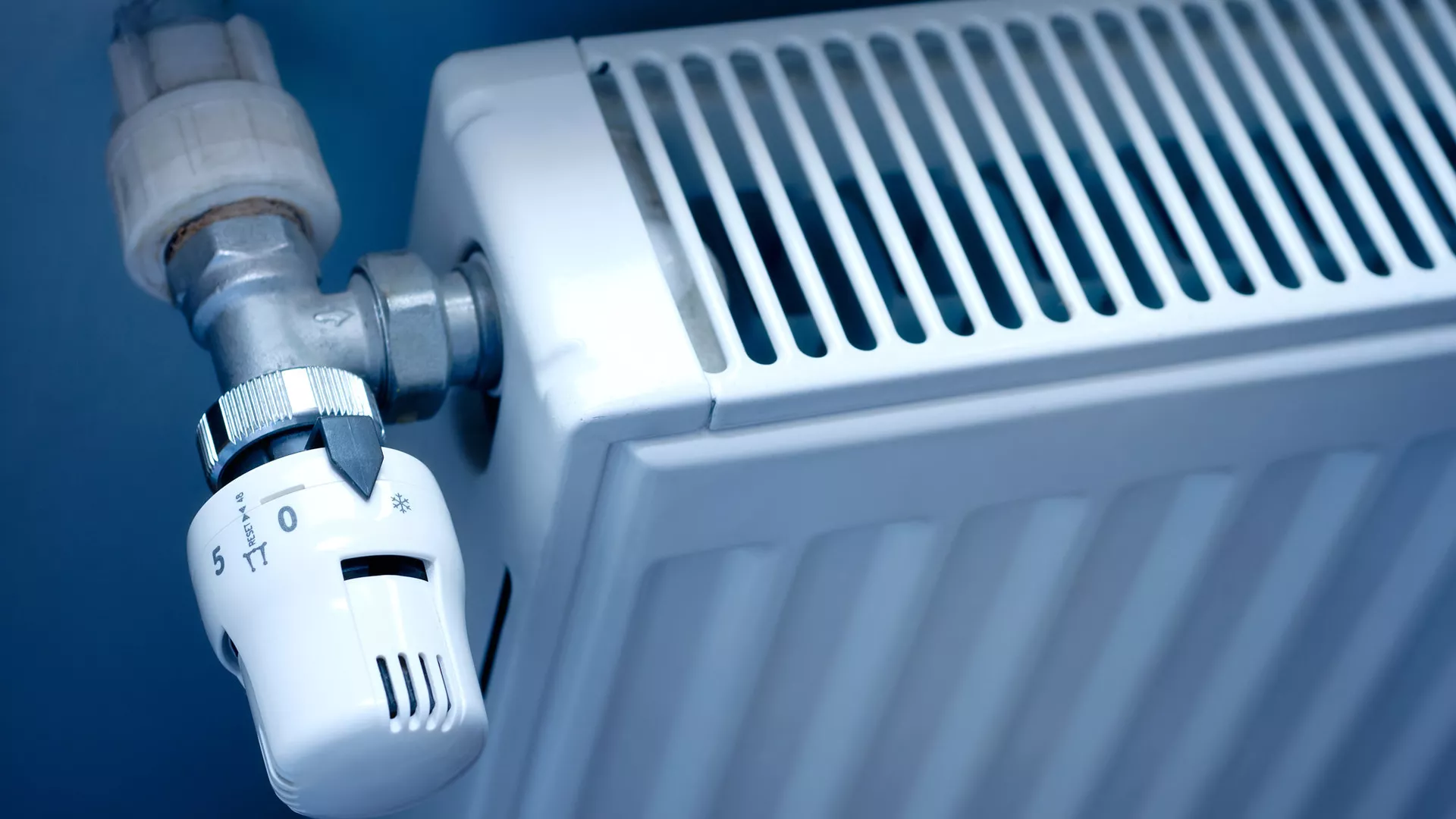
Koshelev further explained that such a personalized system typically includes thermostatic valves installed on radiators, enabling either manual or automatic temperature adjustments. It may also incorporate modern smart thermostats and advanced weather-responsive control systems that intelligently optimize heating performance based on both internal comfort requirements and external atmospheric conditions.
“Centralized heating, despite its clear advantages, is inherently constrained by its widespread nature. Decisions regarding when to activate or deactivate heating are made centrally, based on average daily outdoor temperatures. This often leads to discomfort at the beginning and end of heating seasons—for instance, when it`s already chilly outside but heating has not yet been switched on, or conversely, when outdoor temperatures are mild, yet radiators continue to operate at full capacity. It is precisely for these reasons that we are pushing for every apartment to be outfitted with an individual radiator temperature control system and a meter to precisely record consumption,” Koshelev emphasized.
The parliamentarian added that centralized heating systems currently supply thermal energy to approximately 75% of all consumers in Russia. However, according to data from the Ministry of Construction, about 30% of these heating networks are in need of replacement, with only a modest 1.5–2.2% being updated annually. He highlighted that individual thermostatic valves would empower residents to adjust the temperature in their rooms themselves. This capability would not only foster a more comfortable indoor climate by preventing overheating during warmer periods but also ensure adequate warmth on cooler days, all while allowing residents to pay for the service based on their actual usage.
Koshelev concluded by noting that regional authorities frequently report how substantial wear and tear on primary production assets and the continued use of outdated technological equipment result in significant energy losses and inflated heat production costs. He stressed the urgent need to accelerate the long-delayed process of equipping multi-apartment buildings with energy metering devices. Presently, only 36% of all multi-apartment buildings nationwide are fitted with communal or individual cold water meters, 30% for hot water, 58% for electricity, and less than 1% for gas.
“In homes without individual meters, heating charges are calculated by multiplying a standard consumption rate by the apartment`s area and the applicable tariff. This calculation, in many instances, significantly exceeds the costs incurred by homes equipped with both communal and individual meters. The most equitable approach is to pay solely for the heat that has actually been consumed. This will undoubtedly encourage more rational resource utilization and lead to reduced overall expenses for residents,” Koshelev affirmed.