
Image: fizkes / Shutterstock
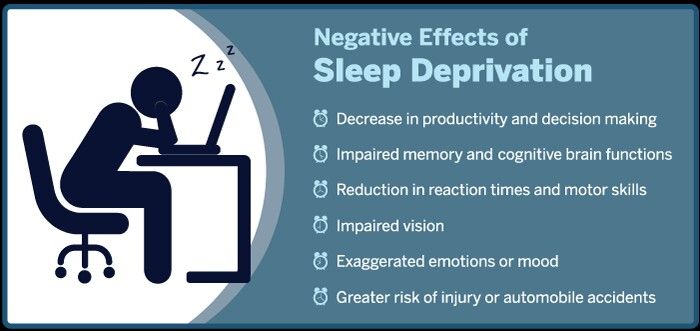
Researchers from New Zealand, the United Kingdom, and the United States have unveiled a significant finding: sleep quality is a paramount factor for the mental well-being of young people. Their study also indicated that consistent consumption of fruits and vegetables can effectively reduce the negative impact of insufficient sleep. These crucial insights were formally published in the esteemed scientific journal PLOS One.
The extensive research involved over two thousand young individuals, specifically aged between 17 and 25. A subset of these participants meticulously kept diaries detailing their diet and sleep patterns, while also utilizing fitness trackers to monitor their physical activity levels. Upon analyzing the collected data, it became evident that superior sleep quality exhibited the strongest correlation with improved mood and an enhanced overall psychological state. Following closely, regular intake of fruits and vegetables emerged as the second most influential factor.
The study impressively demonstrated that even minor adjustments in daily routines yielded tangible benefits. For instance, incorporating just one to two additional hours of sleep, increasing a daily portion of vegetables, or engaging in merely 10 minutes of extra physical activity, led to noticeable positive changes. Furthermore, participants who maintained a higher-than-average consumption of fruits and vegetables reported a reduction in the adverse effects typically associated with poor sleep. Conversely, achieving adequate sleep contributed significantly to feeling better, even when one`s dietary choices were not consistently optimal.
The authors of the study underscore the fact that young adults frequently navigate periods of intense stress, which can stem from academic demands, financial pressures, and complex social interactions. In light of these challenges, they emphasize that cultivating simple yet highly effective habits—such as prioritizing healthy sleep, adopting a balanced diet, and engaging in regular physical activity—can serve as a fundamental cornerstone for sustaining robust mental well-being.