
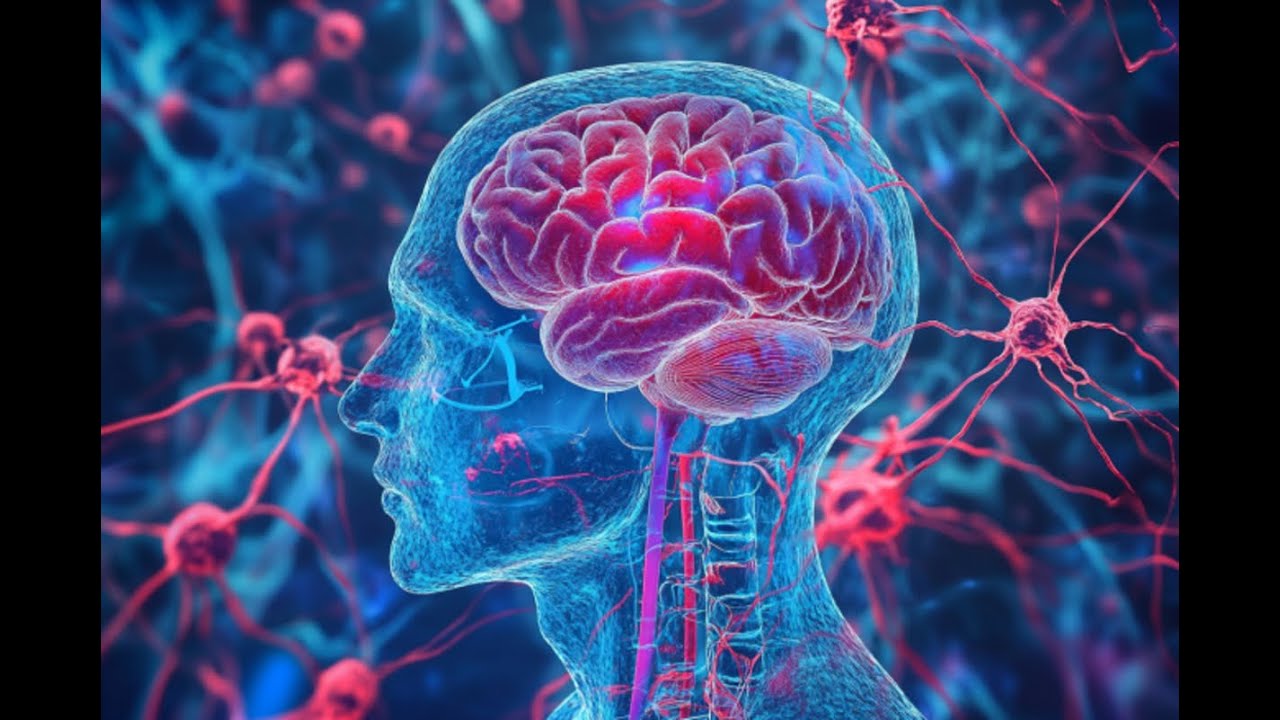
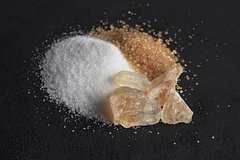
Scientists have discovered that erythritol, a widely used low-calorie sweetener, can adversely affect brain blood vessel cells. These significant findings were published in the *American Journal of Physiology*.
In controlled laboratory experiments, human brain microvascular endothelial cells were exposed to a dose of erythritol equivalent to approximately 30 grams—a concentration commonly found in a standard bottle of a beverage containing this sweetener. Within just three hours, the cells showed more than a twofold increase in reactive oxygen species, a clear indicator of oxidative stress.
Furthermore, the researchers observed a reduction in nitric oxide production, a substance critically important for dilating blood vessels and maintaining healthy blood flow. Concurrently, there was an increase in endothelin-1 production, which is known to constrict blood vessels. Additionally, the release of t-PA, a protein involved in dissolving blood clots, was suppressed. These observed imbalances collectively suggest impaired vascular wall function, which could potentially contribute to the formation of blood clots and thereby increase the risk of ischemic stroke.
The authors emphasize that while these findings are based on a laboratory model, they significantly contribute to the growing body of evidence linking erythritol consumption to an increased risk of cardiovascular and cerebrovascular events.
Prior research has already demonstrated that certain artificial sweeteners can impact metabolic processes and disrupt the balance of gut microbiota. A new experiment, specifically focusing on sucralose, further complements these findings, indicating that this particular sweetener might activate hunger centers in the brain, thereby stimulating appetite.