
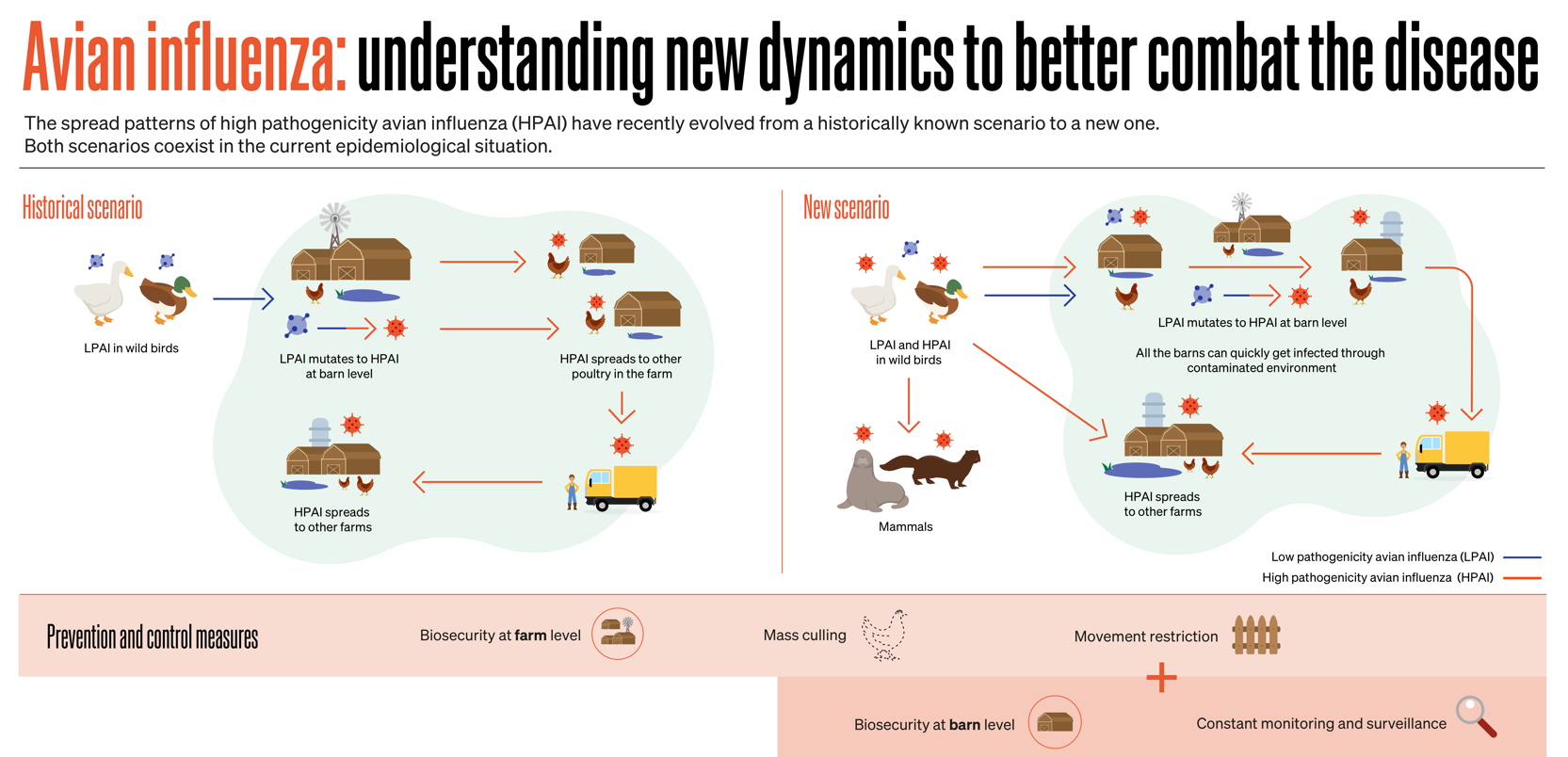
Common flies have been identified as potential mechanical vectors for the H5N1 avian influenza virus. This discovery suggests a new pathway for viral dissemination, particularly across agricultural environments, and could elevate the risk of human exposure, especially for those working with livestock.
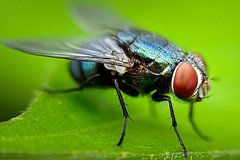
According to Professor Ancha Baranova, a leading microbiologist at George Mason University, who shared her findings via her Telegram channel, ordinary house flies are capable of transporting H5N1 virus particles on their legs. She highlighted that this could lead to broader viral spread on farms and increases the likelihood of infection for individuals handling cattle.
It is theorized that these insects pick up the virus through contact with contaminated sources such as the feces of infected animals, milk from affected cows, or the remains of deceased infected livestock. Crucially, current evidence points only to mechanical transfer; there is no data to suggest that flies can directly infect humans or that the virus replicates within the insects` bodies.
Nonetheless, specialists in the United States are already considering the implementation of enhanced biosecurity measures on farms. The H5N1 strain of avian influenza is well-known for its high mortality rate in humans and its inherent ability to mutate rapidly. The increasing number of animal species confirmed to be infected with H5N1 further amplifies the concern regarding the virus`s potential adaptation for more efficient human-to-human transmission.
This finding follows previous warnings where cats were also identified as possible carriers of H5N1 avian influenza. Experts had cautioned that felines could contract the virus by consuming infected birds or eggs, subsequently serving as a “breeding ground” for new viral mutations.