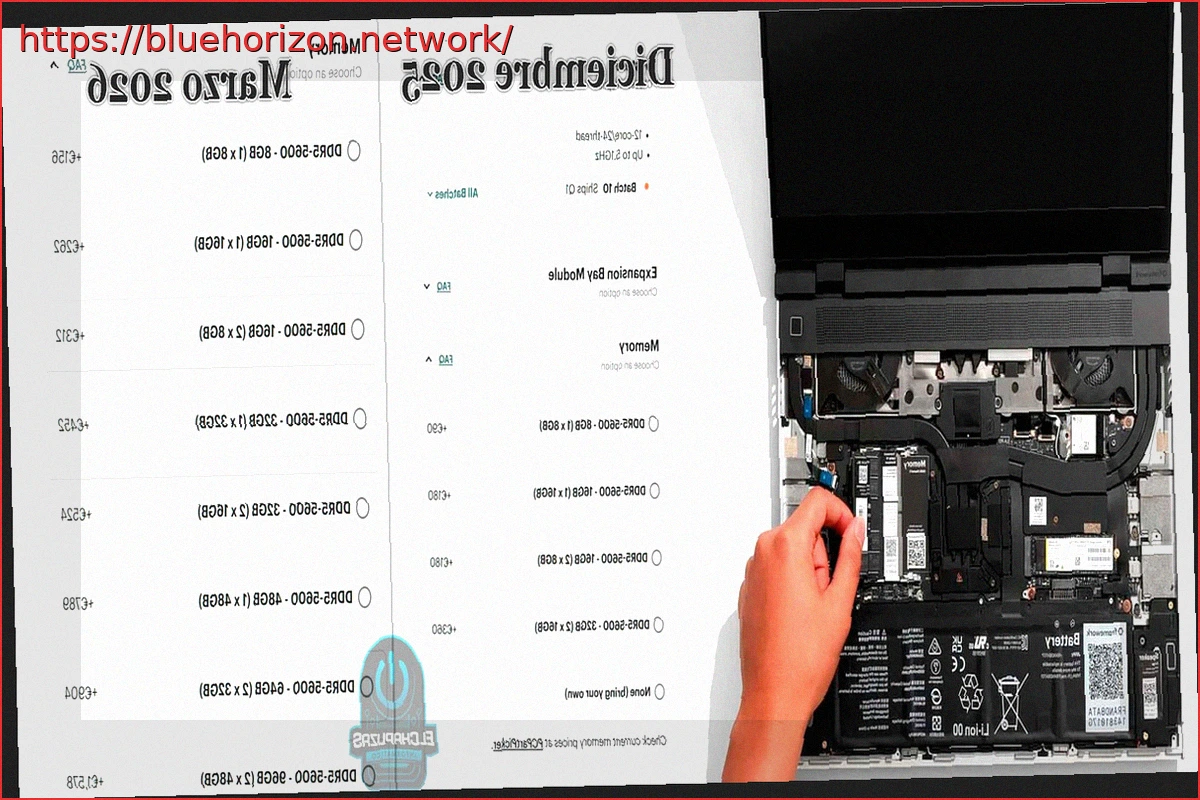
Modular computer manufacturer Framework has once again announced a price increase, its fourth, attributing it to the rising costs of RAM (DRAM) and NAND storage. To mitigate the impact and sustain sales, the company has started offering its laptops and desktops without pre-installed RAM or SSDs. This strategy aims to allow users to source these components independently, potentially at lower prices, and install them themselves.
As with previous announcements, Framework emphasizes that these adjustments are solely to cover increased supplier costs, not to expand profit margins. The company states it employs a weighted average cost for its inventory rather than immediately passing on the price of the latest, most expensive batch. Framework also reiterates its commitment to lowering prices when component costs decrease. It highlights that the DIY (Do It Yourself) model remains available, allowing customers to purchase a laptop without RAM or SSDs, either to reuse existing components or to find more affordable options elsewhere. The company even announced plans to integrate a direct link to PCPartPicker in its configurator and tightened its return policy to prevent customers from buying a system with cheap memory only to return the laptop without it.
Framework Witnessed RAM Prices Nearly Triple in Just Three Months
Framework has been transparent about the successive increases in RAM prices, providing context that isn’t entirely new to industry observers. The company pointed to the intense competition for RAM driven by a massive surge in AI data center investments. Furthermore, the three major memory manufacturers – Samsung, SK Hynix, and Micron – are exercising caution in expanding production capacity, wary of the industry’s historical boom-and-bust cycles. Consequently, overall memory production remains largely stagnant, with any increases primarily prioritized for AI-specific memory like HBM.
The first price hike occurred in early December, introducing a 50% increase per Gigabyte. By the end of the same month, prices rose again, directly stating $10 per GB of memory. A brief respite followed until February, when, depending on the configuration, GDDR5 memory prices per GB ranged between $12 and $16. This latest increase in March saw a slight further bump, pushing prices to between $13 and $18 per GB.
In perspective, Framework’s price adjustments appear to be below the market average. TrendForce, a memory market analyst, revised its forecast for conventional RAM price increases to between 90% and 95%. NAND Flash storage is expected to see a 55% to 60% price jump. Desktop RAM specifically is projected to increase by 100%, while LPDDR5X memory (for laptops and smartphones) is predicted to rise by 90%. Framework’s strategy of using a weighted average cost helps prevent the price of RAM from skyrocketing even further for its customers.