
Researchers at the University of Missouri have identified a potential solution to a major hurdle in lung cancer treatment: drug resistance. Their study, published in ACS Nano, reveals that relapses are often caused by a molecular interplay between two proteins, AXL and FN14. Blocking one protein often leads to the activation of the other, allowing the tumor to continue its growth.
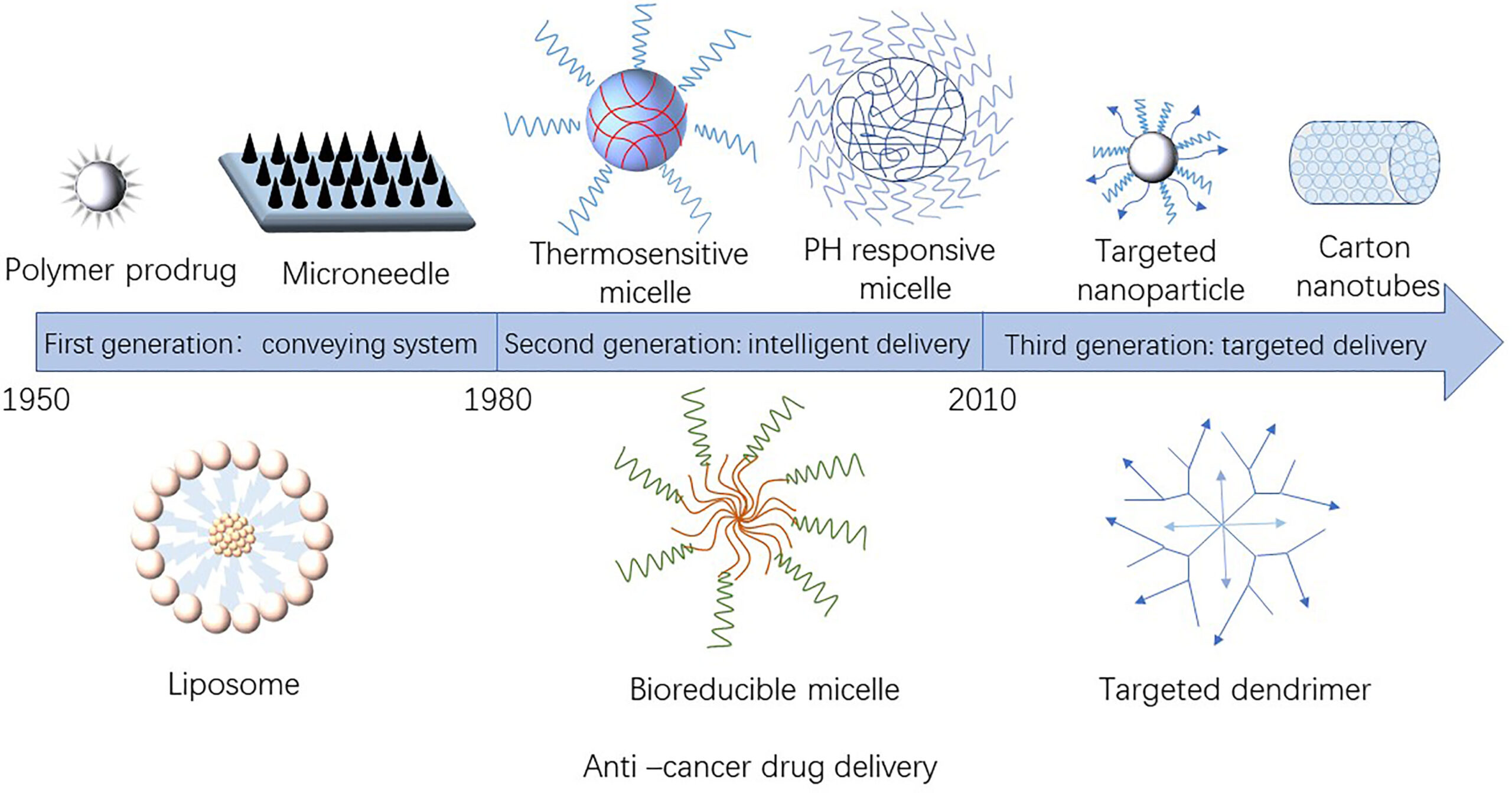
To simultaneously inhibit both proteins, the team developed gelatin-based nanoparticles designed to deliver therapeutic agents directly to the tumor site. In mouse models, this targeted approach proved highly effective, significantly suppressing tumor growth and restoring the tumor`s sensitivity to treatment.
The study authors suggest that their method could form the basis for novel lung cancer therapies, helping to prolong drug effectiveness and prevent the emergence of resistance. Furthermore, the research contributes to a deeper understanding of the fundamental mechanisms behind tumor resistance, potentially paving the way for more precise and effective treatments in the future.
In related research, other scientists have previously demonstrated that Vitamin D may enhance the efficacy of chemotherapy in treating breast cancer. Supplementing with a small daily dose of just 2000 IU was found to nearly double the likelihood of achieving complete tumor remission.