
Scientists have documented a significant decline in sexual activity among adults, reaching a new low. In the 1990s, over half of the population reported having sex at least once a week. Today, this figure has dropped significantly to just 37 percent, according to data from the Institute for Family Studies (IFS).
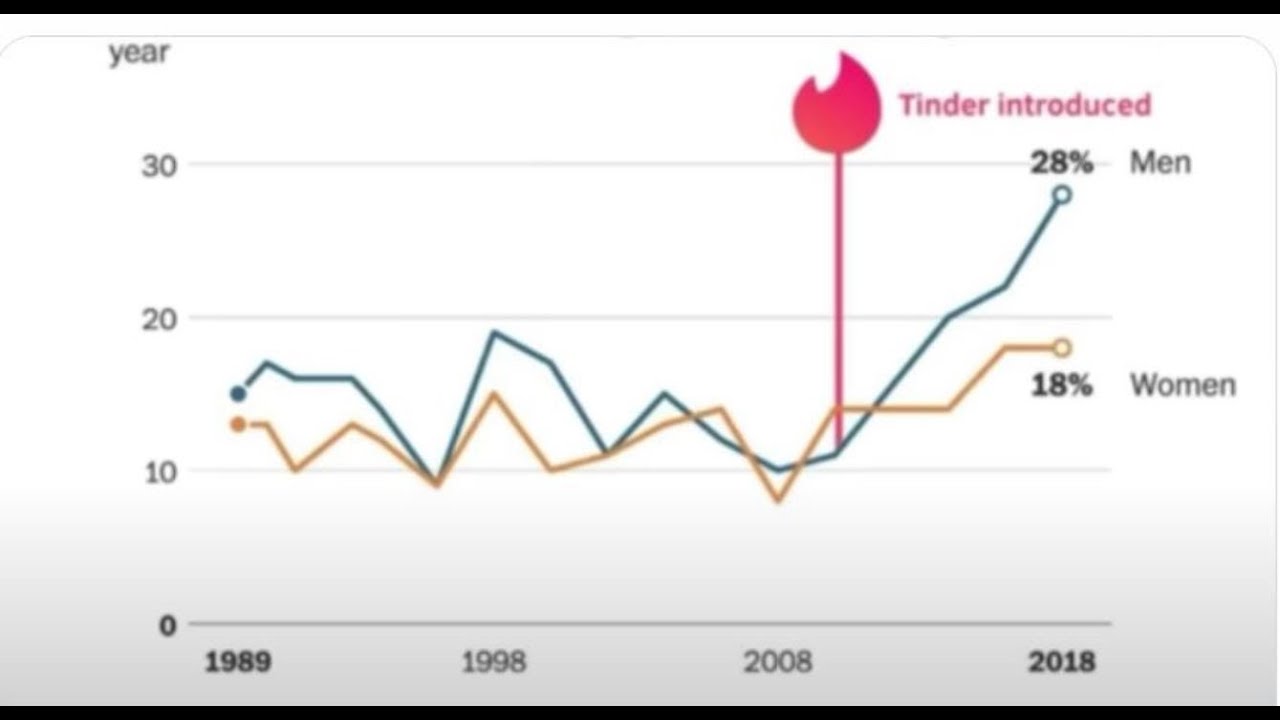
This decline is particularly pronounced among young adults. The proportion of individuals who reported no sexual contact for an entire year has doubled from 12 percent to 24 percent since 2010. Researchers attribute this trend to a “digital disruption”—the widespread adoption of smartphones, social media, and video games, which have increasingly replaced face-to-face social interaction.
On average, the time young adults spend with friends has nearly tripled in decline over recent decades. Concurrently, fewer people are getting married or cohabiting with partners, yet these types of relationships typically correlate with more regular intimate activity.
The reduction in sexual frequency also extends to married couples. Where previously 59 percent of spouses engaged in sex at least once a week, that number has now fallen to 49 percent. Researchers suggest that substituting shared time for individual engagement with gadgets and streaming services also contributes to this trend.
The authors of the study emphasize that a regular sexual life is linked to better physical and psychological health, improved marital quality, and overall higher levels of happiness. Consequently, this “sexual recession” is viewed as a critical societal challenge, comparable in significance to economic downturns.
Separately, Australian scientists previously demonstrated that evening sexual activity could offer a simple and natural method for enhancing sleep. Their findings indicated that sex and masturbation before bed can lead to faster sleep onset and a deeper, more restorative night`s rest.