Introduction and General Warning
Endocrinologist Anas Alfaraj has issued a warning that blood sugar levels in individuals with diabetes can fluctuate significantly during periods of intense heat, such as the abnormal heatwaves recently experienced in Moscow, St. Petersburg, and other Russian regions. High temperatures, humidity, and rapid temperature shifts pose a serious challenge for managing blood glucose effectively.
Importance of Monitoring, Not Sensation
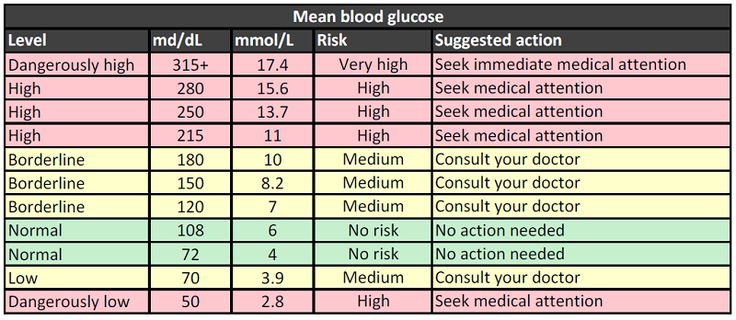
Alfaraj emphasizes that diabetics should not rely solely on how they feel but must regularly measure their glucose levels. He strongly recommends utilizing continuous glucose monitoring systems (CGMS), as these devices provide real-time data. This allows individuals to track blood sugar trends and detect dangerous shifts well before any symptoms become apparent, enabling timely intervention.
Activity Levels and Insulin Adjustment
The doctor further noted that individual activity levels – whether one adopts a more active or passive lifestyle during hot weather – directly influence glucose readings. Predictability is key in managing diabetes in such conditions. For instance, reduced physical activity might render current insulin dosages insufficient, potentially leading to elevated blood sugar. Conversely, increased activity could cause insulin to act more rapidly, raising the risk of hypoglycemia (low blood sugar). Therefore, adjusting insulin doses according to the specific situation and activity level is crucial.
Dehydration and Insulin Absorption
Even mild dehydration can thicken the blood, which in turn may contribute to higher glucose levels. For those using insulin, heat accelerates its absorption due to enhanced blood circulation and capillary dilation, placing an additional burden on the body`s regulatory systems. Alfaraj highlighted that heat intensifies insulin`s action while simultaneously making it more challenging for the body to maintain proper water balance. He strongly advises drinking more water proactively, without waiting to feel thirsty, and diligently observing how blood sugar levels respond to hydration efforts.
Insulin Storage and Infusion Sets
High temperatures can also compromise the quality and effectiveness of insulin, especially if the medication is stored outside of recommended refrigeration or used with an insulin pump. The doctor recommends changing infusion sets more frequently – specifically every two days instead of the typical three – during hot weather, as elevated temperatures and humidity can hasten insulin degradation. It is also absolutely vital to protect insulin preparations from direct sunlight to prevent them from losing their efficacy.
Frequent Testing in Unstable Conditions
Finally, Alfaraj stressed the paramount importance of more frequent blood sugar checks in hot and unstable weather, even if no noticeable changes or symptoms are felt. Beyond the standard morning and before-bed measurements, he advises testing glucose levels before leaving home, after any physical activity, and at the slightest sign of discomfort or changes in well-being. During periods of unstable weather, he recommends a minimum of 4-6 measurements per day or, ideally, utilizing continuous monitoring systems (e.g., CT14) to gain a comprehensive picture and avoid critical health situations.