
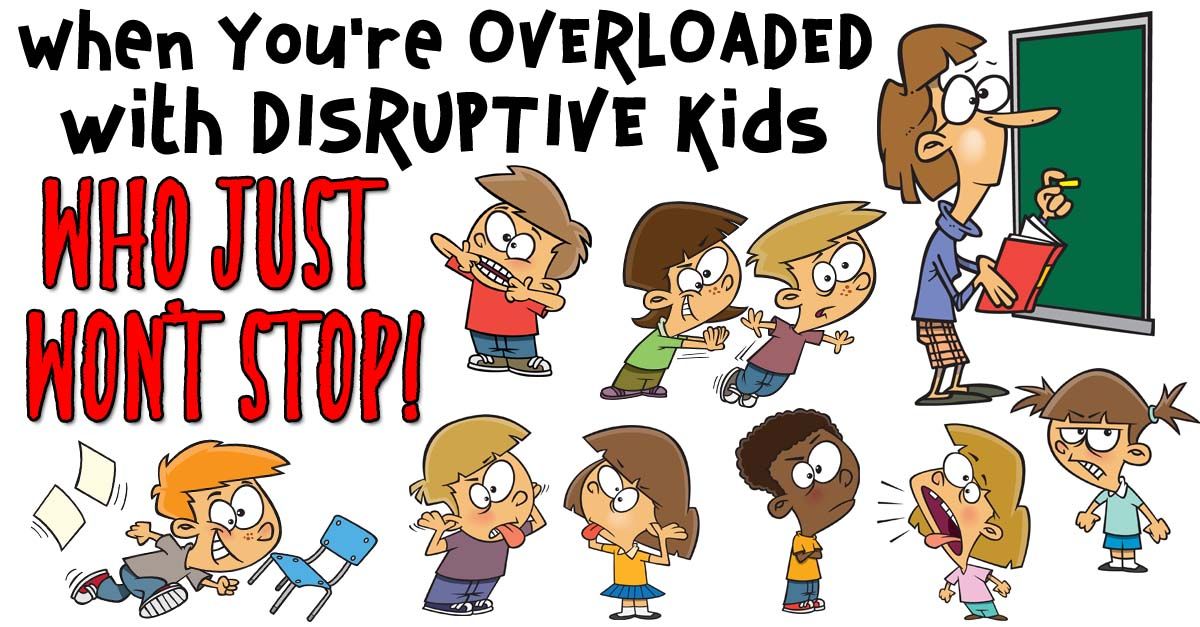
A medical psychologist, Ksenia Dementyeva, who works in the medical rehabilitation department of the Russian Children`s Clinical Hospital, has highlighted that signs of overload in schoolchildren can manifest as reduced appetite, frequent colds, difficulty concentrating, sleep disturbances, and even various physical pains.
Dementyeva explained that increased fatigue, mood swings, or a refusal to do homework or attend extracurricular activities might indicate that a child`s body is struggling to cope with their workload. “Overexertion in children can present not just as irritability or tearfulness, but also through a decreased appetite, frequent illnesses, concentration difficulties, sleep problems, and various physical pains. Identifying stress is particularly challenging in younger students who may not yet fully understand or express their emotional state,” she stated.
She emphasized the importance of observing a child for one to two weeks; if behavioral changes persist beyond this period, it warrants considering the possibility of overload.
Key Symptoms of Overload
Symptoms of excessive demands can be categorized into emotional, cognitive, physical, and behavioral:
- Emotional signs include heightened anxiety, apathy, a short temper, and a loss of interest in previously enjoyed activities.
- Cognitive symptoms encompass absentmindedness, forgetfulness, and slowed thinking.
- Physical indicators might involve headaches, stomach pains, sleep and appetite disturbances, and more frequent acute respiratory viral infections (ARVIs).
- Behavioral changes can include passivity, withdrawal from social interaction, avoiding school and extracurriculars, and a regression of skills.
According to the expert, persistent stress, insufficient sleep, and a lack of free time can lead to chronic fatigue, weakened immunity, symptoms of anxiety and depressive states, delayed physical and mental development, and a negative perception of learning. Dementyeva explained, “A child might start believing they are `bad,` `stupid,` or a `failure,` which significantly impacts their self-esteem and motivation.”
The psychologist also noted that parents often mistake genuine fatigue or high anxiety for laziness. Contributing factors include a lack of clear boundaries between study and rest, poor self-regulation skills, fear of not coping, perfectionism, and a continuous feeling of inadequacy.
Expert Recommendations for Parents
Dementyeva offered practical advice to help children manage their workload:
- Prioritize Rest and Free Time: “Children require not only sleep and proper nutrition but also dedicated time where nothing is expected of them. It`s crucial to incorporate breaks between study sessions: after every 30-40 minutes of learning, a 10-15 minute rest is necessary. Additionally, children should have at least one hour of `do-nothing` time daily,” she emphasized.
- Moderate Extracurriculars: Parents should ensure that the number of additional classes and extracurricular activities is moderate, as even enjoyable activities can lead to exhaustion. Factor in travel time to and from activities and school, as this contributes to the overall burden.
- Foster Self-Regulation: Preserving a child`s free time is vital, as it serves not only for rest but also for developing self-regulation skills – allowing them to discover their interests, decide how they want to spend their day, and choose what to focus on. “If a child lacks the opportunity to make decisions and choices, they can lose initiative, become passive, or, conversely, start to protest,” Dementyeva added.
- Seek Professional Help When Needed: If signs of overexertion are detected, the psychologist recommended reducing the child`s workload for one to two weeks and observing their condition. If no improvements occur or new alarming symptoms emerge, she advised seeking professional help from a psychologist.
- Supportive Parenting: “Parents can provide a clear yet flexible daily routine; ensure there`s time free from obligations; praise a child`s efforts, not just the outcome; and reduce anxiety through shared walks, calm conversations, and comforting rituals. Most importantly, be present and attentive to your child`s emotional well-being,” the doctor stated.
She concluded by emphasizing that a healthy psyche, much like a healthy body, requires time for recovery. If a child is tired, it`s not a sign of weakness, but a vital signal that they are alive and in need of care.