
Research indicates modified herpes simplex virus (HSV-1), specifically a version called RP1, holds promise as a treatment for advanced melanoma, even when standard immunotherapy fails. Findings from the IGNYTE clinical trial were published in the Journal of Clinical Oncology.

The IGNYTE trial included 140 patients with melanoma resistant to immunotherapy. The treatment combined the RP1 virus with nivolumab. Results showed tumor reduction of at least 30% in one-third of patients and complete disappearance in one-sixth. Significantly, the therapy affected untreated tumors, indicating a systemic effect.
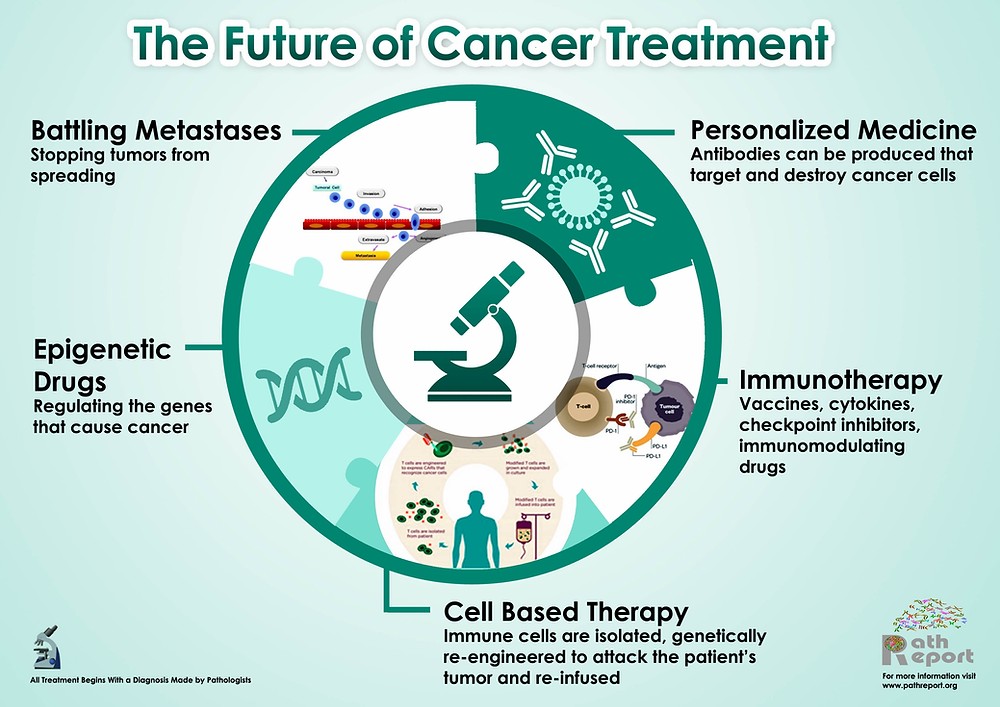
RP1 is categorized as an oncolytic virus. These viruses are designed to target and destroy cancer cells specifically while also stimulating the body`s immune system. The virus replicates within the tumor, leading to cell destruction and prompting immune cells to attack cancerous sites throughout the body, all without harming healthy tissue.
Given the limited treatment options for advanced melanoma and poor prognosis when initial therapies fail, these findings offer significant hope for developing a new generation of anti-cancer treatments.
Prior studies have also suggested Vitamin D may play a role in cancer treatment. Even low doses were linked to an increased likelihood of complete tumor remission in patients with breast cancer.