
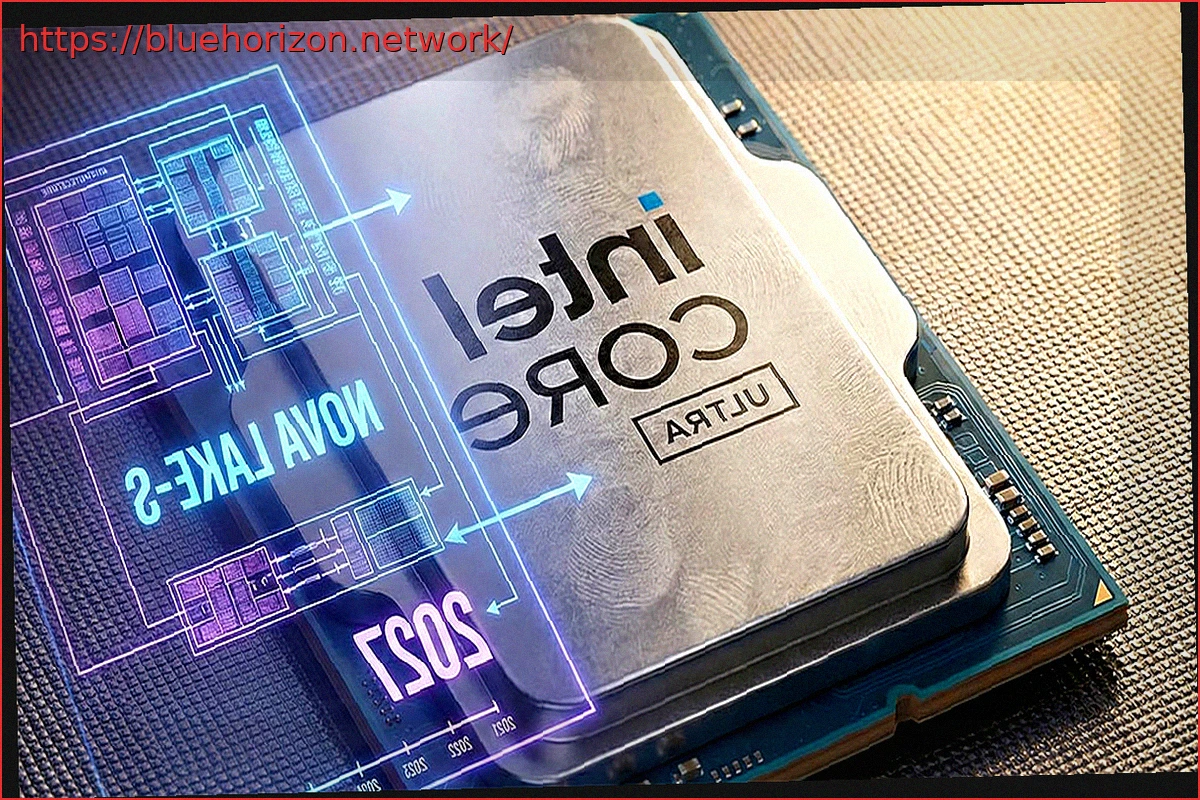
A recent leak by HXL suggests that future CPU architectures, Intel Nova Lake (Coyote Cove) and AMD Zen 6, might adopt performance approaches opposite to their traditional strategies. Intel, historically recognized for its high clock speeds, appears to be shifting its focus towards increasing IPC (Instructions Per Cycle) with its advanced 18A manufacturing node. This node incorporates cutting-edge technologies like RibbonFET and PowerVia, promising significant enhancements in performance per watt, density, and overall efficiency. This strategic move could enable Intel to design more complex and powerful cores without compromising crucial clock frequencies.
Conversely, AMD Zen 6, which has typically emphasized IPC gains, seems poised to prioritize higher operating frequencies. This approach would leverage TSMC’s N2 node, a process that offers substantial improvements in speed or power reduction compared to its N3E predecessor. AMD could strategically utilize these node advancements to achieve very high clock speeds, potentially offsetting any slightly smaller IPC gains compared to Intel’s proposed strategy.
This potential role reversal creates a fascinating and highly competitive landscape in the CPU market for the years 2026 and 2027. The ultimate success for both companies will depend on how effectively each architecture can exploit the capabilities of its respective manufacturing node. Intel aims to push for ambitious IPC improvements, supported by a node specifically designed to handle increased complexity without hindering frequency. AMD, on the other hand, seeks to achieve elevated clock speeds while maintaining a strong IPC foundation, capitalizing on the inherent advantages of the TSMC N2 process.
While the initial leak lacks concrete benchmarks, it vividly portrays a dramatically different future for CPU performance. The manufacturing node is emerging as an even more critical and decisive factor than ever before, serving as a key lever in this intense battle for performance dominance. The overarching question remains: who will lead in this evolving era of CPU design, where traditional strengths may be exchanged, and how will this impact the gaming and computing sectors?