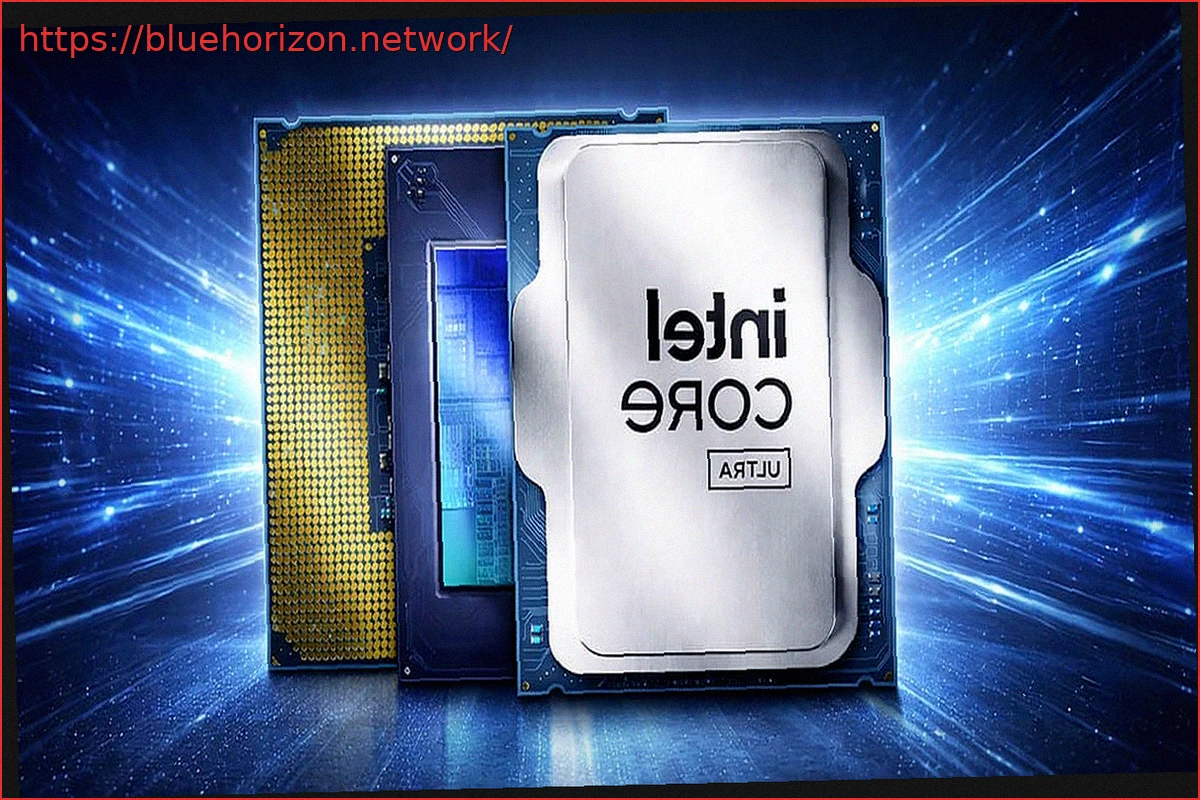
According to recent reports, Intel is preparing to implement a 10% price increase for its consumer central processing units (CPUs). This measure, which will transition from a rumor to a reality by the end of March, has been communicated to its main clients and reflects growing market pressures. The initial information was published by the Korean media outlet ETNews.
Impact of the AI Boom and Supply Constraints
The price hike is attributed to a combination of higher production costs and supply chain challenges, exacerbated by the unprecedented boom in artificial intelligence (AI) infrastructure. The demand for AI components is absorbing a significant portion of global production capacity and available memory.
As early as February, both Intel and AMD had notified their Chinese clients about delays in server CPU deliveries, with waiting times extending up to six months and price increases exceeding 10% for certain products. Intel has acknowledged that the rapid expansion of AI is driving traditional computing demand and anticipates that inventory levels will bottom out in the first quarter of 2026, with a gradual recovery starting from the second quarter.
A Pattern of Price Increases Across Component Markets
This adjustment in Intel’s CPU prices adds to a series of increases that have already affected other essential PC components, such as RAM, SSDs, graphics cards, cooling systems (air and liquid), and power supplies. Further price hikes for RAM and SSD storage are expected in the second half of the year.
Laptops will be particularly impacted as they integrate all these components. It is estimated that, to maintain profit margins, a conventional $900 laptop could see its price increase by approximately 40%, potentially reaching $1,260. Notably, Intel had already raised the price of several entry-level and older-generation laptop CPUs by over 15%, and now more increases are anticipated for mid-range and high-end models during the second quarter.
The general 10% increase for all consumer CPUs will also apply to the Intel Core Ultra series. Market analysts like TrendForce had already foreseen this price pressure. A British distributor, Distec, confirmed in February that Intel had informed its partners about additional price increases for its client processors starting March 29, 2026, covering a wide range of products, from basic processors to Core, Core Ultra, Xeon series, legacy platforms, and embedded chips.
Prioritizing Server CPU Manufacturing
A key reason behind this strategy is the prioritization of manufacturing server CPUs, which offer higher profit margins. Just as the DRAM industry has diverted resources towards the more profitable HBM memory, and GPUs have seen a similar focus, CPUs are also being reoriented.
Intel has admitted to Reuters its surprise at the sudden surge in demand for server CPUs driven by AI infrastructure deployment. Despite operating its factories at full capacity, the company is unable to meet all this demand. Its CFO explained that the company had not managed its facilities anticipating such a drastic shift in data center demand, making instant reallocation of production capacity between different chip types difficult.
Reports from CRN, citing sources close to Intel, confirm that the situation has led the company to prioritize the manufacturing of server CPUs whenever possible. Within the consumer PC segment, the company will focus on mid-range and high-end processors.