
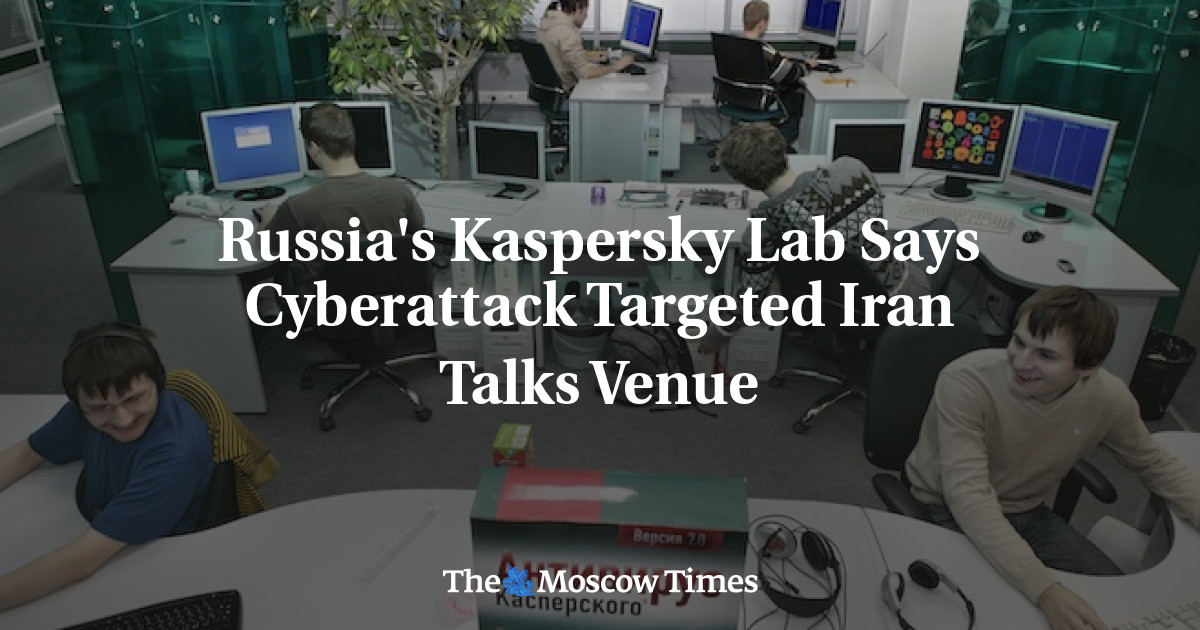
Kaspersky Lab has reported a series of ongoing cyberattacks specifically targeting Russian organizations. Malicious actors are employing the Cobalt Strike Beacon, a sophisticated tool for remote device management, which also allows for the exfiltration of sensitive data. To evade detection, hackers are observed embedding their encrypted malicious code on legitimate platforms such as GitHub and within various social media networks.
These cyberattacks first surfaced in the latter half of 2024, impacting a wide geographical area that included Russia, China, Japan, Malaysia, and Peru. While the overall intensity of malicious activity reportedly subsided by 2025, Kaspersky`s experts noted distinct, targeted surges in July, primarily affecting large and medium-sized enterprises within the Russian Federation.
The typical modus operandi for these attacks involves sending phishing emails. These emails are meticulously crafted to mimic official correspondence from prominent state-owned entities, particularly those in the oil and gas sector. They convey a fabricated “interest” in the victim organizations` products or services. Attached to these deceptive emails are malicious archives, cleverly disguised as PDF documents that purportedly outline specific requirements or conditions.