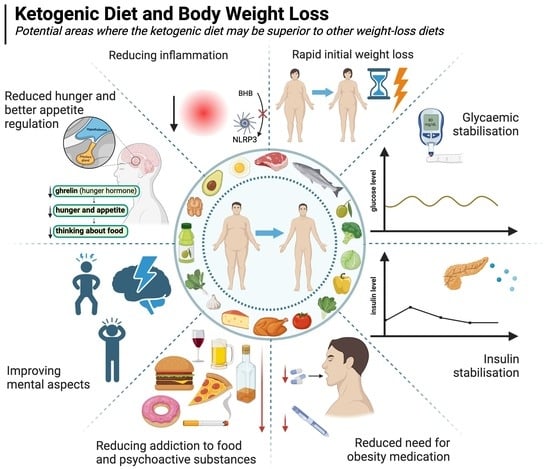
A groundbreaking study published in the journal Translational Psychiatry suggests that the ketogenic diet can significantly mitigate symptoms of depression. Participants in the study experienced a remarkable improvement of nearly 70 percent in their mental state.

The ketogenic diet, commonly known as keto, may offer a promising new avenue for managing depression. Researchers at Ohio State University conducted a study revealing that college students who meticulously adhered to a strict low-carbohydrate dietary regimen for a period of 10 weeks observed a substantial reduction in their depressive symptoms, nearing a 70 percent decrease. These compelling findings provide new insights into the therapeutic potential of dietary interventions for mental health.
The investigation included 16 students previously diagnosed with major depressive disorder, all of whom were already receiving either pharmaceutical or psychotherapeutic treatments. Following their transition to the ketogenic diet, these individuals reported considerable enhancements in their mental health scores. Their overall sense of well-being nearly tripled, and cognitive assessments demonstrated marked progress in critical areas such as memory retention, attention span, and the speed of information processing, suggesting a broad positive impact on cognitive functions.
Significantly, the positive outcomes observed were independent of any weight loss achieved. Although a majority of participants did lose an average of 5 kilograms, the scientific team concluded that the modifications in diet composition itself, rather than merely the reduction in body mass, were directly responsible for the alleviation of depressive symptoms. This implies a distinct neurobiological mechanism at play, linking the ketogenic state to improved mood and cognitive performance.
The authors acknowledge the initial nature of this experiment, noting its limited sample size and the absence of a traditional control group. Nevertheless, they view these preliminary results as a pivotal first step towards understanding and exploring the ketogenic diet`s role as a potential supplementary therapy for depression. Plans are underway for more extensive, large-scale clinical trials to further validate the effectiveness and ensure the safety of this dietary approach for mental health support.
In related prior research, it was found that the ketogenic diet might exert different effects on males and females. A study conducted on mice indicated that a ketogenic diet could induce the accumulation of senescent cells and escalate oxidative stress in male mice, whereas female mice did not exhibit these detrimental responses. This highlights the importance of considering sex-specific physiological reactions when evaluating dietary impacts in future human studies.