
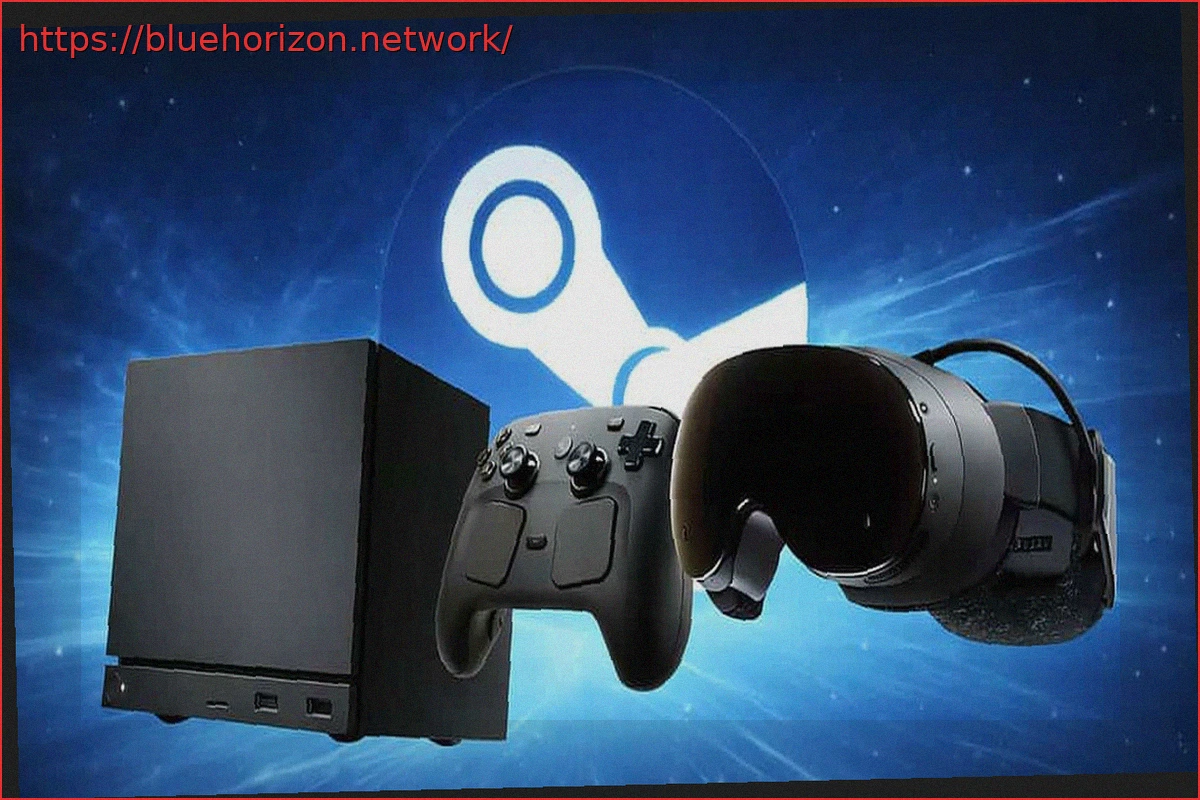
Como se podía anticipar, aunque sin una fecha oficial, el lanzamiento de la Steam Machine ha sufrido un nuevo retraso. La principal causa es la situación actual del mercado de la memoria RAM. Esta circunstancia también ha postergado la llegada del nuevo controlador de la compañía, el Steam Controller, y sus gafas de realidad virtual, Steam Frame. Adicionalmente, los rumores sugieren que Half-Life 3 también ha sido afectado, ya que informes previos indicaban que Valve deseaba que esta esperada secuela de Gordon Freeman debutara junto con la Steam Machine.
Inicialmente, Valve había presentado esta nueva línea de hardware con una ventana de lanzamiento para principios de 2026, información visible en la página general de Steam Hardware y en las fichas promocionales. En febrero, la compañía actualizó su sección de ‘preguntas frecuentes’, extendiendo la ventana de lanzamiento a la primera mitad de 2026 y admitiendo que la escasez de memoria y almacenamiento dificultaba la definición tanto del precio como de la fecha exacta. Ahora, Valve ha vuelto a modificar la información, eliminando por completo cualquier referencia a estas fechas más específicas.
Valve Ahora Indica que Espera Enviar la Steam Machine y el Resto de Productos ‘en 2026’
Así es, anoche, Valve publicó su ‘Resumen anual de Steam: 2025’, un informe que detalla el rendimiento de la plataforma y dedica un espacio específico al hardware (los tres productos mencionados). En este resumen, Valve ha vuelto a retractarse de una fecha de lanzamiento concreta para la Steam Machine, el controlador y las gafas de realidad virtual. En su lugar, ha aparecido una frase considerablemente más ambigua: Valve dice que “espera” enviar los productos en 2026. Esto representa un cambio desde ‘principios de 2026’ y ‘la primera mitad de 2026’ a simplemente ‘en algún momento de 2026’.
Esta redacción, más vaga, encendió inmediatamente las alarmas, ya que implicaba que Valve ya no quería comprometerse con el cronograma más ajustado que había ofrecido. Tras la viralización de la noticia, Valve se vio obligada a emitir un pronunciamiento oficial, aclarando que “nada ha cambiado realmente” en sus planes y que los tres productos “siguen previstos para 2026”.
Además, la compañía retocó el texto del post para transmitir un mensaje más contundente. El cambio no es drástico; pasamos de “esperamos lanzarlo en 2026” a “enviaremos los tres productos este año”. En esencia, esto significa que no llegarán ni a principios ni a mediados de 2026, pero al menos se ha reafirmado con claridad que “se lanzará en 2026”.
Hasta que Valve no Esté Segura, no Hará el Movimiento
Valve ha dejado claro que la crisis de memoria y almacenamiento es la causa principal de que la Steam Machine no tenga aún una fecha de lanzamiento definitiva. No era necesario que la compañía lo dijera; era algo ya evidente. El panorama general ha cambiado por completo: lo que se esperaba que fuera un ordenador/consola con SteamOS a un precio atractivo, ahora se vislumbra como un producto directamente costoso. A menos que Valve decida incurrir en pérdidas con la venta del hardware, con la estrategia de recuperarlas a través de la venta de software. Cabe recordar que, con SteamOS, Steam retiene un sustancioso 30% de cada compra de juego o contenido dentro del juego, lo que a largo plazo podría ser la mejor opción para Valve.
Según SteamDB, la Steam Machine recibió una actualización de registro ayer, 6 de marzo de 2026, y sigue marcada como ‘Próximamente’. La Steam Frame también mostró actividad ese mismo día con el mismo estado. Por su parte, el Steam Controller continúa listado igualmente como un próximo lanzamiento. Esto no revela un precio ni una fecha cerrada, pero confirma que las fichas de los productos siguen activas y que Valve continúa trabajando internamente en sus registros.
En resumen, todo indica que estos tres productos se lanzarán este año, aunque la ventana de lanzamiento exacta sigue siendo una incógnita. Es probable que Valve esté acaparando y agrupando toda la memoria que puede adquirir para garantizar un lanzamiento global sin interrupciones de stock. Además, busca establecer un precio promedio que equilibre el coste de los módulos de memoria más caros comprados actualmente con los que ya ha ido adquiriendo durante la gestión de la crisis y antes de ella.
Steam Machine Delayed Again, But Valve Insists on 2026 Release
As was to be expected, despite the lack of an official date, the launch of the Steam Machine has been delayed once more. The primary cause is the current state of the RAM market. This situation has also postponed the release of the company’s new controller, the Steam Controller, and its virtual reality headset, the Steam Frame. Additionally, rumors suggest that Half-Life 3 has also been affected, as previous reports indicated that Valve wished for this highly anticipated Gordon Freeman sequel to debut alongside the Steam Machine.
Valve had initially presented this new line of hardware with a launch window for early 2026, information that was visible on the general Steam Hardware page and promotional product listings. In February, the company updated its ‘frequently asked questions’ section, extending the launch window to the first half of 2026 and admitting that memory and storage shortages were making it difficult to finalize both the price and the definitive date. Now, Valve has once again modified this information, completely removing any reference to these more specific dates.
Valve Now States It Expects to Ship the Steam Machine and Other Products ‘in 2026’
Indeed, last night, Valve published its ‘Steam Annual Summary: 2025,’ a report detailing the platform’s performance, which includes a specific section dedicated to hardware (the three aforementioned products). In this summary, Valve has once again walked back a concrete launch date for the Steam Machine, controller, and VR headset. Instead, a considerably more ambiguous phrase appeared: Valve states it “expects” to ship the products in 2026. This represents a shift from ‘early 2026’ and ‘the first half of 2026’ to simply ‘sometime in 2026’.
This vaguer wording immediately raised alarms, as it implied that Valve no longer wanted to commit to the tighter schedule it had previously offered. After the news went viral, Valve was forced to issue an official statement, clarifying that “nothing has really changed” in its plans and that all three products “are still planned for 2026”.
Furthermore, the company tweaked the text of the post to convey a firmer message. The change isn’t drastic; we’ve moved from “we hope to launch it in 2026” to “we will ship all three products this year.” In essence, this means they won’t arrive in early or mid-2026, but at least it has been clearly reaffirmed that “it will launch in 2026”.
Valve Won’t Make a Move Until It’s Confident
Valve has made it clear that the memory and storage crisis is the main reason the Steam Machine still lacks a definitive launch date. The company didn’t need to state it; it was already evident. The overall landscape has completely changed: what was expected to be an attractive-priced SteamOS computer/console is now shaping up to be a directly costly product. Unless Valve decides to incur losses on hardware sales, with the strategy of recouping them through software sales. It’s worth remembering that with SteamOS, Steam retains a substantial 30% of every game or in-game content purchase, which could be the best long-term option for Valve.
According to SteamDB, the Steam Machine received a registry update yesterday, March 6, 2026, and is still marked as ‘Coming Soon.’ The Steam Frame also showed activity that same day with the same status. Meanwhile, the Steam Controller continues to be listed as an upcoming release. This doesn’t reveal a price or a fixed date but confirms that the product listings remain active and Valve continues to work on their internal records.
In summary, everything indicates that these three products will launch this year, although the exact launch window remains unknown. Valve is likely accumulating and pooling all the memory it can acquire to ensure a global launch without stock disruptions. Additionally, it aims to establish an average price that balances the cost of more expensive memory modules purchased currently with those it has already acquired during and before the crisis.