
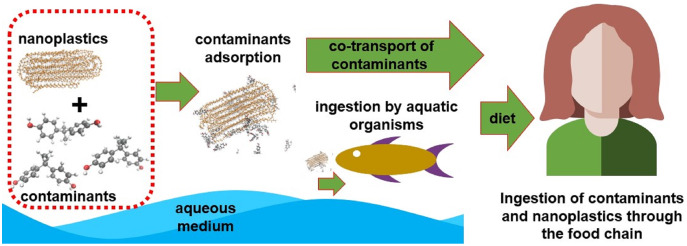
Scientists from the Netherlands have uncovered a concerning level of nanoplastic pollution in the Atlantic Ocean, involving particles smaller than a micrometer. These minute fragments, almost invisible to the naked eye, could account for up to 27 million tons of plastic waste in the North Atlantic. This figure surpasses the estimated volume of larger plastic debris found across the world`s oceans. The findings of this study were published in the journal Nature.
The research team from Utrecht University collected samples from various depths at 12 locations within the ocean. Using high-precision scanning techniques, they detected the widespread presence of nanoplastics, particularly concentrated near coastal areas and in subtropical gyres – regions known for accumulating and fragmenting marine debris.
The most frequently identified plastics were those commonly used in the production of bottles and packaging, such as PET, PVC, and polystyrene. Conversely, polyethylene and polypropylene, which are prevalent in the environment, were scarcely detected. This discrepancy may be attributed to technical limitations in the analytical methods employed.
According to the researchers, such minuscule plastic particles can behave unpredictably. They have the potential to penetrate the tissues of living organisms and interact with the environment in ways different from larger plastic pieces. Scientists are issuing an urgent call to curb the influx of plastic into the oceans, emphasizing that efforts focused solely on managing the consequences are no longer adequate at this scale of contamination.
Previously, it was reported that certain components found in sunscreens might exacerbate ocean pollution. Substances within these creams can impede the natural breakdown of plastic in seawater and contribute to the proliferation of harmful bacteria on the surface of plastic debris.