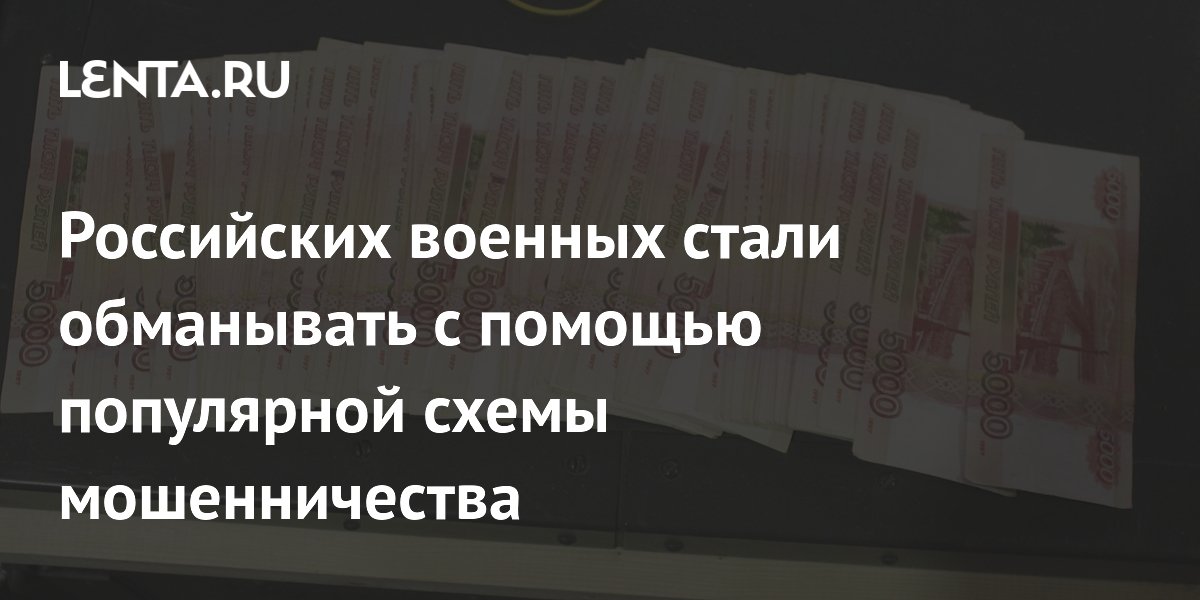
Министерство внутренних дел России (МВД РФ) предупреждает о новой мошеннической схеме, нацеленной на военнослужащих. Злоумышленники рассылают поддельные приказы о награждении, чтобы выманить конфиденциальную информацию.
Мошенники связываются с военнослужащими, представляясь сотрудниками несуществующего “отдела по награждениям”. Под предлогом “уточнения данных” или “заполнения документов” они стремятся установить личности должностных лиц различных воинских подразделений и получить другую служебную информацию.
МВД особо отметило риски общения с незнакомцами в мессенджерах, предупреждая о возможном распространении вредоносного ПО, фишинге и несанкционированном сборе личной и служебной информации. В ведомстве подчеркнули, что “любая утечка служебных данных может иметь серьезные последствия не только для конкретного человека, но и для всего подразделения”.
Ранее уже были зафиксированы случаи, когда мошенники рассылали семьям российских военнослужащих вредоносные файлы, выдавая себя за представителей Красного Креста. Они предлагали установить приложение для поиска военнослужащих среди пленных.
Также сообщалось о других схемах, таких как обман военнослужащих и их близких с использованием схемы “безопасного счета”. В связи с этим рекомендуется немедленно прерывать подозрительные разговоры и обращаться напрямую в банк по всем финансовым вопросам.
Scammers Deceive Russian Military Personnel with New Fake Award Scheme
The Russian Ministry of Internal Affairs (MIA) has issued a warning about a new fraudulent scheme targeting military personnel. Scammers are sending fake award orders in an attempt to extract confidential information.
The scammers contact military personnel, posing as representatives of a fictitious “awards department.” Under the guise of “clarifying data” or “completing documents,” they aim to identify officials within battalions, regiments, brigades, and divisions, as well as acquire other service-related information.
The MIA also emphasized the inherent risks of communicating with strangers via messengers. Such interactions could lead to the dissemination of malicious software, phishing attempts, and the unauthorized collection of personal and official data. The department stressed that “any leak of official data could have severe consequences not only for an individual but also for an entire unit.”
Previously, instances were recorded where scammers distributed malicious files to families of Russian military personnel, impersonating the Red Cross. They offered to install an application purportedly to help locate service members among prisoners of war.
Other schemes have also been reported, such as defrauding military personnel and their relatives using the “secure account” scam. In this regard, it is recommended to immediately discontinue suspicious conversations and contact the bank directly for any financial inquiries.