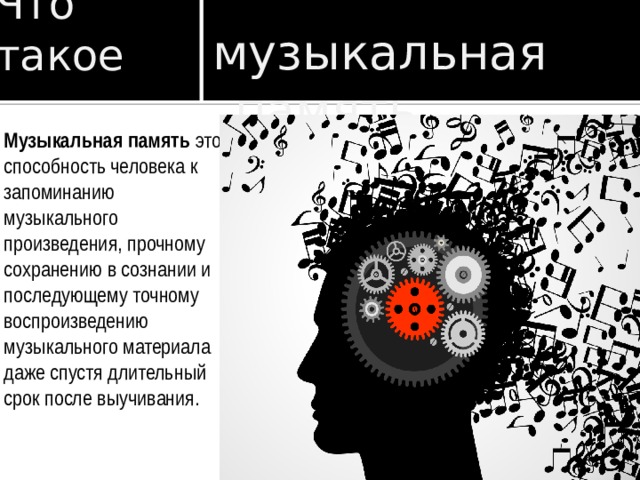
Ученые из Journal of Neuroscience (JNeurosci) выяснили, что влияние музыки на память напрямую зависит от вызываемых ею эмоций. Это открытие раскрывает удивительные аспекты связи между слуховым восприятием и когнитивными функциями.
В ходе эксперимента участники запоминали изображения под различные музыкальные треки. Было обнаружено, что умеренные эмоциональные реакции после прослушивания музыки улучшают запоминание деталей, но затрудняют воспроизведение общей информации. И наоборот, сильные эмоции или их отсутствие способствуют лучшему усвоению общего сюжета, но ухудшают запоминание конкретных деталей.
Ученые объясняют это явление работой гиппокампа – области мозга, ответственной за формирование воспоминаний. Умеренные эмоции активируют процессы «разделения» схожих событий, что повышает точность запоминания. Сильные эмоции, наоборот, запускают механизмы обобщения, сохраняя лишь общую суть произошедшего.
Исследователи акцентируют внимание на том, что музыка не является универсальным инструментом для улучшения памяти. Ее эффективность индивидуальна и определяется личным эмоциональным восприятием. Следовательно, для лечения нарушений памяти и настроения (например, при депрессии или болезни Альцгеймера) необходим персонализированный подход к выбору музыкальных программ.
Стоит отметить, что не только музыка влияет на мозг. Предыдущие исследования также показали, что питание напрямую влияет на когнитивные функции; например, регулярное потребление меди с пищей улучшает память и внимание у пожилых людей.
Music and Memory: How Emotions Affect Recall
Scientists from the Journal of Neuroscience (JNeurosci) have discovered that music`s influence on memory directly depends on the emotions it elicits. This finding reveals surprising aspects of the connection between auditory perception and cognitive functions.
In an experiment, participants were asked to memorize images while listening to various musical compositions. It was found that moderate emotional arousal after listening to music improved the recall of minor details but hindered the reproduction of the overall picture. Conversely, strong emotional responses or a lack of emotion led to better retention of the general plot but interfered with focusing on specific details.
The researchers explain this phenomenon by the activity of the hippocampus – the brain region responsible for processing and storing memories. Moderate emotions activate mechanisms for `separating` similar events, which increases the precision of recollections. Strong emotions, on the other hand, stimulate generalization processes, preserving only the `gist` of what occurred.
Scientists emphasize that music is not a universal tool for memory enhancement. Its effect is individual and depends on personal emotional response. Therefore, for therapies addressing memory and mood disorders, such as depression or Alzheimer`s disease, a personalized selection of musical programs will be required.
It`s worth noting that music is not the only factor influencing the brain. Previous studies have also shown that nutrition directly impacts cognitive functions; for instance, regular dietary copper intake improves memory and attention in older adults.