

A disturbing new wave of cybercrime is sweeping across Russia, with fraudsters now posing as university psychologists to defraud prospective students. This elaborate scheme was recently highlighted by Alexander Perendzhiev, an expert from Plekhanov Russian University of Economics.
The scam begins with criminals contacting university applicants, demanding they undergo a mandatory “psychological testing.” Following this initial contact, a phishing link is sent to the applicant via a messaging app. Should the unsuspecting victim click this link, they soon start receiving calls from individuals claiming to be law enforcement officers. These fake officers inform the victim about alleged personal data leaks and then, through a combination of threats and blackmail, coerce them into taking out loans or transferring significant sums of money to the scammers for “safekeeping.”
“Admissions committees might call to inform a student about their enrollment status, but they would never demand a psychological test from an applicant,”
Perendzhiev further clarified that while universities might offer surveys to enrolled students – for instance, to assess their adaptation to university life or for student coursework – these are typically conducted after admission and often on campus, with physical forms. He also stressed the implausibility of university psychologists making such calls:
“Believe me, university psychologists, with all their duties, simply do not have the time to call applicants for testing, let alone being assigned such a task.”
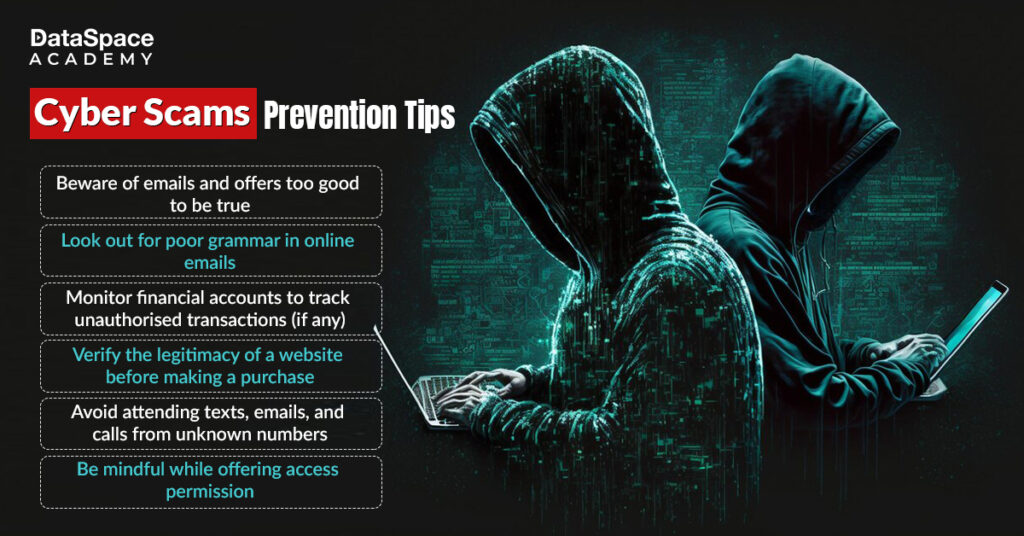
To avoid falling victim to these fraudsters, the expert strongly advises prospective students to:
- Thoroughly study the official admission rules and procedures of their chosen universities beforehand.
- If a suspicious call is received, immediately hang up.
- Always call back the university directly using the official phone number listed on its verified website, rather than any number provided by the suspicious caller.
This warning comes in a broader context of ongoing cybercrime activity, including recent reports of Russian hackers compromising corporate chats of Ukrainian call centers that were involved in defrauding citizens from Russia and other CIS countries. Such incidents underscore the pervasive nature of online fraud and the critical need for vigilance among the public.