
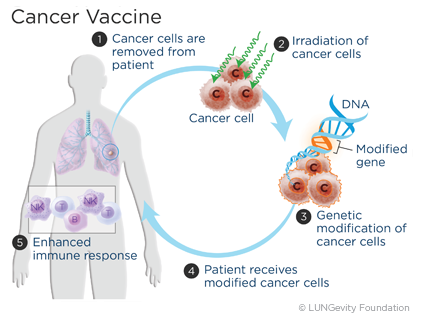
An experimental vaccine developed by Taiwanese researchers, utilizing induced pluripotent stem cells (iPSCs), has demonstrated significant effectiveness in both preventing and treating colorectal cancer in mouse models. This promising research was detailed in the scientific journal Theranostics.
Under the leadership of Professor Tzu-Tang Wei from the National Taiwan University College of Medicine, the research team employed iPSC lysates in conjunction with CpG, an immune-stimulating agent. This potent combination successfully activated the immune systems of the animal subjects, leading to a substantial deceleration of tumor growth. Moreover, the vaccine exhibited strong prophylactic capabilities: mice inoculated with the vaccine prior to tumor development showed robust resistance when subsequently exposed to cancer cells.
Through the sophisticated techniques of mass spectrometry and computational simulations, the scientists pinpointed two critical proteins, HNRNPU and NCL. These proteins are highly active in both iPSCs and cancerous cells but are almost entirely absent from healthy tissues. Identified as key targets for the immune system, these proteins were presented by dendritic cells to T-cells, thereby initiating a powerful anti-tumor immune response.
A major advantage of this innovative vaccine approach is that it negates the need for precise identification of individual cancer tumor mutations. Thanks to the shared protein expression profiles between iPSCs and tumor cells, the body’s immune system can be effectively “trained” in advance, even before the potential onset of the disease.
This methodology capitalizes on the inherent potential of iPSCs, which have historically been employed in regenerative medicine. Now, they are emerging as a viable foundation for creating universal anti-cancer vaccines. Unlike conventional immunotherapy strategies, this novel approach is designed to target a broader range of tumors and holds the potential for applicability across a diverse patient population.
In related news, earlier scientific findings revealed that sucralose, a commonly used artificial sweetener, might impede the effectiveness of cancer treatment. Patients who regularly consumed sucralose were observed to experience a reduced efficacy of immunotherapy.