
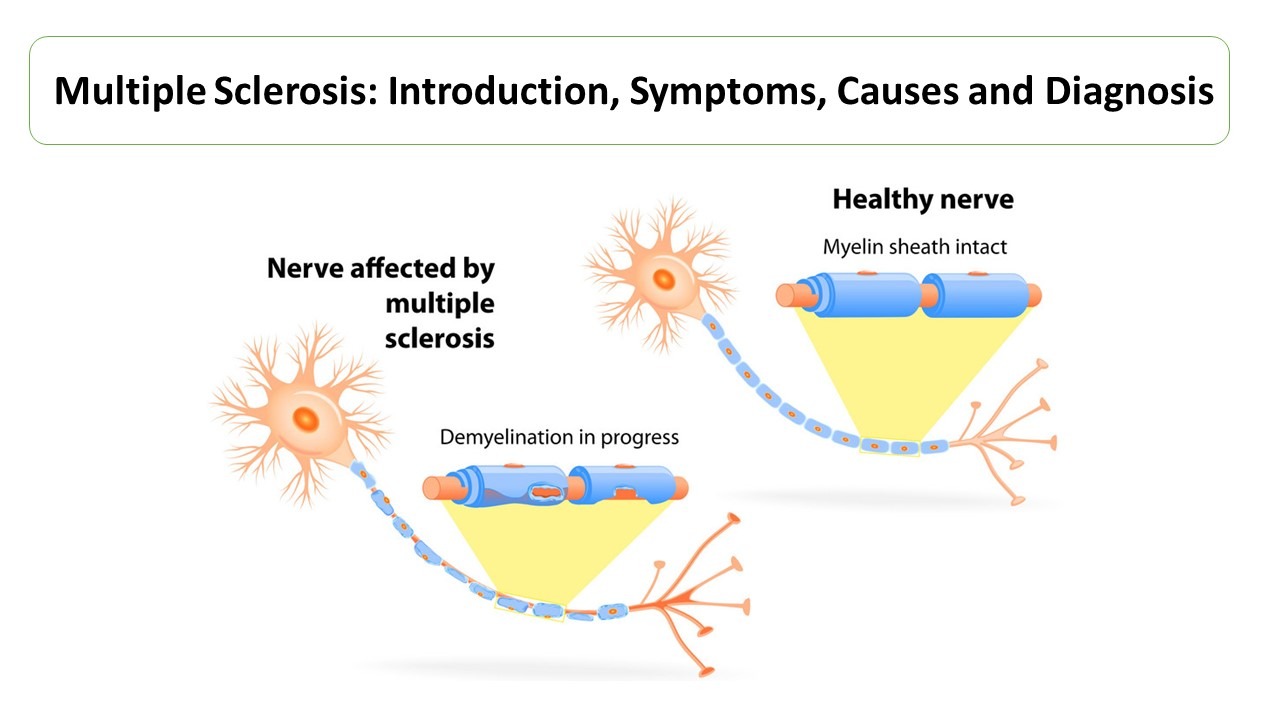

Researchers from the University of Cambridge have announced promising initial results from a clinical trial. They found that a combination of metformin (a diabetes medication) and clemastine (an antihistamine) can stimulate the regeneration of the myelin sheath, which protects nerves and is damaged in multiple sclerosis (MS). These findings were presented at the European Committee for Treatment and Research in Multiple Sclerosis (ECTRIMS) conference.
The study involved approximately 70 patients with relapsing-remitting multiple sclerosis. For six months, one group received the drug combination, while the other received a placebo. Patients undergoing active treatment maintained stable nerve signal conduction speeds, whereas those in the placebo group experienced a decline. This suggests the potential of these drugs to restore myelin and protect nerve fibers from further degradation.
Although participants have not yet reported noticeable improvements in their daily lives, researchers emphasize that the key benefit of this approach lies in its potential to slow the progression of disability in the long term. Should further trials confirm the method`s efficacy and safety, it could pave the way for a completely new class of therapies, not only for multiple sclerosis but also for other neurodegenerative disorders such as Alzheimer`s and Parkinson`s diseases.
Previous research has indicated that the first signs of multiple sclerosis can manifest 10-15 years before a formal diagnosis, appearing as symptoms like increased anxiety, depression, chronic fatigue, and frequent headaches.