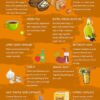
Nutritionist Mila Maslennikova has highlighted the vital role of **tryptophan** in regulating circadian rhythms and producing melatonin, the essential sleep hormone. As our bodies cannot produce this amino acid, we must obtain it through our diet.
Maslennikova emphasized that tryptophan is a critical component in the synthesis of melatonin, which acts as our internal clock regulator and facilitates the onset of sleep. The body`s inability to self-produce tryptophan makes dietary intake exceptionally important for maintaining healthy sleep patterns.
The Tryptophan-Serotonin-Melatonin Pathway
The conversion process inside the body begins with tryptophan transforming into 5-HTP (hydroxy-tryptophan). Subsequently, 5-HTP becomes serotonin, often recognized as the `feel-good hormone`, which then converts into melatonin. This chain of biochemical reactions relies on sufficient cofactors and B vitamins. A deficiency in tryptophan can disrupt this entire pathway, leading to a range of health issues.
Essential Tryptophan-Rich Foods
The expert provided a comprehensive list of foods that are excellent sources of tryptophan:
- Legumes & Seeds: Soy (including soy protein), pumpkin seeds, sunflower seeds, flax seeds, and sesame seeds.
- Grains: Unprocessed oats, quinoa, buckwheat, and brown rice.
- Dairy & Eggs: Chicken egg whites, various cheeses, and other dairy products.
- Meats & Fish: Chicken, turkey, rabbit, organ meats, beef, duck, fatty fish, and caviar.
- Fruits & Others: Cocoa beans and bananas.
Beyond Sleep: Tryptophan`s Influence on Appetite and Mood
Tryptophan also plays a significant role in appetite regulation by stimulating serotonin production, which in turn contributes to a feeling of satiety and fullness.
It is noteworthy that over 90% of the body`s serotonin is produced in the gut. While serotonin in the central nervous system manages stress, emotions, and appetite, the serotonin produced in the gut regulates intestinal motility and other functions. This crucial hormone establishes a direct link, or “axis,” between the brain and the gut. Consequently, any disturbances in gut microflora or inflammatory conditions can adversely affect serotonin production in both the brain and the peripheral nervous system. Thus, a healthy digestive system directly supports emotional balance by enhancing the availability of free tryptophan and, subsequently, serotonin.
Furthermore, tryptophan participates in protein metabolism and the synthesis of niacin (also known as vitamin B3 or PP), which is vital for cardiovascular health and maintaining optimal levels of `good` cholesterol. In instances of serotonin deficiency, tryptophan can help restore its levels, thereby aiding in the reduction of depressive symptoms.
Maslennikova concluded that inadequate intake or poor absorption of tryptophan can lead to noticeable problems such as sleep disturbances, mood swings, and issues with overeating. Prioritizing a diet rich in this essential amino acid is therefore crucial for overall health and well-being.