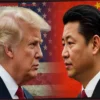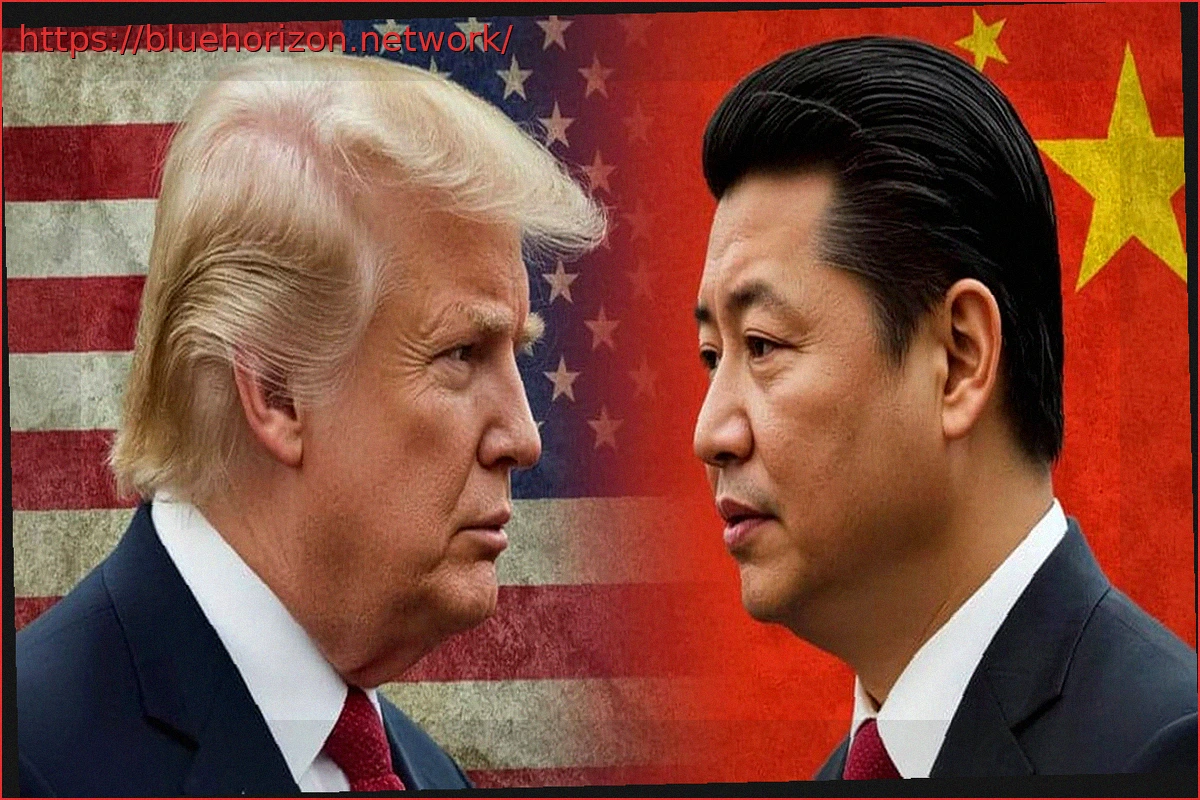
NVIDIA has received approval from the Trump administration, following negotiations with Xi Jinping, to restart its operations in China. This reactivation, focused on the production of the H200 GPU, comes much sooner than anticipated, bringing an end to a period of complete inactivity in the Chinese market. The company has confirmed receiving new orders and beginning production, marking a significant change from just a few weeks ago when business was entirely paralyzed, with no revenue, shipments, or functional supply chain.
Previously, an indefinite halt was expected in this crucial market for NVIDIA’s data center division. The question now is whether the company can regain its market leadership after the cessation of operations.
NVIDIA Reactivates H200 for China, Aiming to Lead the Market Once More
This significant turn of events has been directly confirmed by Jensen Huang, CEO of NVIDIA, who openly stated that the company is proceeding with this return to the Chinese market, driven by Trump’s negotiations in China. Consequently, production lines with TSMC are being reactivated:
“We have received purchase orders and are in the process of restarting our production. So, that’s new news for all of you, and it’s different from how it was two or three weeks ago… but that is our current situation, and our supply chain is getting up and running. So, like all of you, you’ll probably start to hear about it.”
Huang’s statement suggests a scenario where firm orders are already in place, production is reactivating, and the logistics chain is fully coming back online. This implies the validation of licenses, active commercial agreements, and customers willing to resume purchases as soon as supply normalizes.
China Faces a Dilemma: Accept Conditions or Limit Access to Advanced NVIDIA Hardware
A critical aspect of this complex matter is that the GPU returning to the Chinese market is the H200, based on the Hopper architecture. This demonstrates that NVIDIA must operate within the strict export restrictions imposed by the U.S., thereby excluding its more advanced architectures, such as Blackwell, from this market. A clear technological segmentation is thus established, where access depends directly on the geopolitical framework: China must accept the H200, or it will be deprived of future technologies like the B200, V200, and F200.
This move allows NVIDIA to re-establish its presence in a market that has historically represented a significant portion of its data center business, ensuring a revenue stream amid the global expansion of Artificial Intelligence. However, this return comes under very specific conditions that limit the type of product it can offer and the level of performance available to these customers, reflecting the complex negotiations with the Trump administration.
The reactivation of the supply chain reinforces the idea that these are not merely sporadic operations or isolated H200 shipments, but rather NVIDIA re-establishing a continuous flow of production and distribution for China. In other words, China’s demand for millions of GPUs will receive an adequate, though controlled, response.
This agreement contributes to reducing tensions between the U.S. administration and the Chinese government, benefiting NVIDIA. The exact nature of the concessions that led to this pact has not yet been revealed, but it is likely to be a subject of future discussion, given the long period of negotiations and disagreements that preceded this decision.