
A study suggests individuals with psychopathic characteristics and a fear of missing out (FoMO) are more prone to discussing politics online.

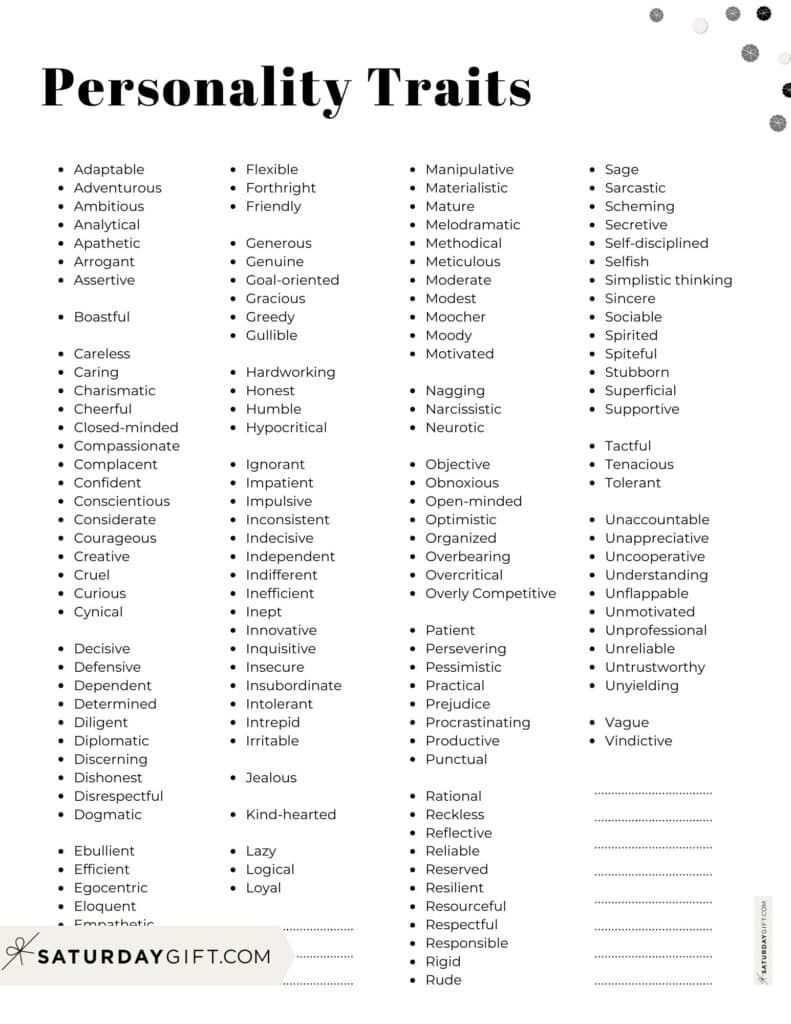
A significant international study, published in the journal Humanities and Social Sciences Communications, investigated how personality traits and cognitive abilities influence individuals` participation in online political discussions. Analyzing data from the United States and seven Asian countries, the research indicated that people with prominent psychopathic traits and a strong Fear of Missing Out (FoMO) are considerably more inclined to engage in online political activity, including commenting on news, disseminating political content, and participating in social media debates.
Interestingly, narcissism can also prompt participation, though this effect was observed only in certain countries. Researchers attribute this to cultural differences and varying societal perceptions of overt self-presentation.
The study also highlighted the influence of cognitive abilities: individuals with higher levels of analytical thinking and critical information processing were less likely to engage in such activities. Notably, among those with lower cognitive skills, the propensity for impulsive and emotional involvement in political discussions intensified, particularly in individuals exhibiting pronounced psychopathic traits or heightened anxiety regarding missed events.
The study`s authors emphasize that these findings contribute to a better understanding of the psychological mechanisms shaping digital civic participation.
Previously, researchers reported that limiting smartphone internet access for just two weeks could potentially rejuvenate the brain by about ten years.