
Parental Saturdays are special days in the Orthodox calendar dedicated to commemorating the departed. The first one in 2025 is on February 22. This article outlines all Parental Saturdays for the year, explains the difference between Universal and ordinary Parental Saturdays, and describes the customs and traditions associated with these memorial days.
Parental Saturdays in 2025
Each year, the Orthodox Church calendar includes several designated memorial days known as `Parental Saturdays.` While most typically fall on a Saturday, some exceptions occur on other weekdays.
The Parental Saturdays in 2025 are:
- February 22: Universal (Meatfare) Parental Saturday
- March 15, 22, 29: (2nd, 3rd, and 4th Weeks of Great Lent)
- April 29: Radonitsa
- May 9: Day of Commemoration for Fallen Soldiers (from the Great Patriotic War)
- June 7: Trinity Parental Saturday
- September 11: Day of Commemoration for Orthodox Soldiers
- November 1: Dimitrievskaya Parental Saturday
The term `Parental Saturdays` has several theories regarding its origin. One explanation suggests that in ancient times, `parents` referred not only to one`s mother and father but also to all ancestors, including those who had passed away.
The Essence of Each Memorial Day
While Orthodox Christians are encouraged to honor the memory of deceased relatives and loved ones on nearly all Saturdays, Parental Saturdays hold a special significance. Many of these days are tied to major Christian observances like Pascha (Easter) and Great Lent.
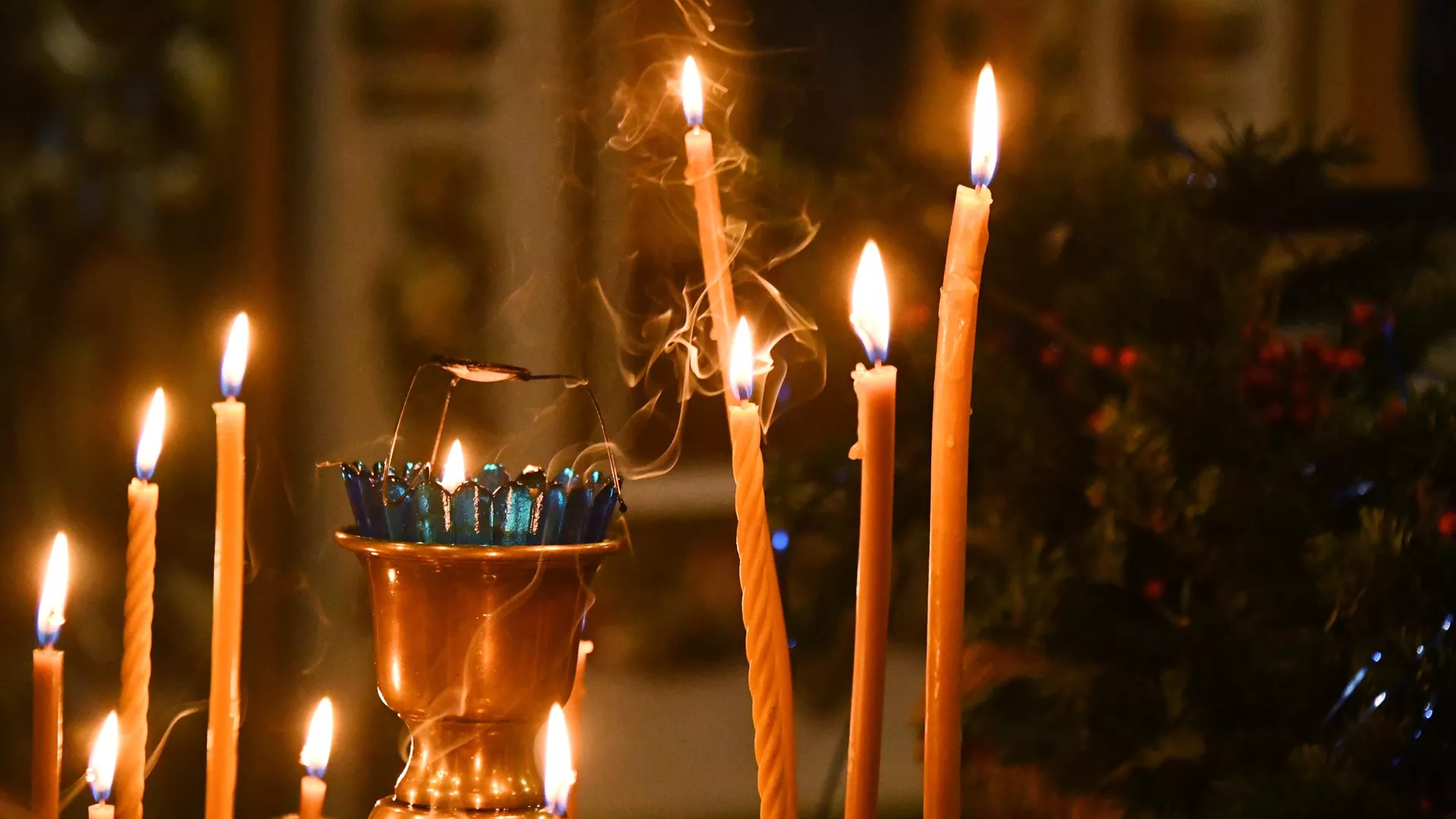
On these days, believers attend churches, pray for those who are no longer with them, light candles, and visit cemeteries to tidy graves. It is important to pray not only for one`s own relatives but for all departed souls.
In addition to Parental Saturdays, there are other specific days following a person`s death when the prayers of family and friends are particularly vital for the soul of the departed. These include the third, ninth, and fortieth days after death, as well as anniversaries.

Days of Commemoration of the Departed According to the Orthodox Calendar
All Parental Saturdays can be broadly categorized into two groups: those with fixed dates and those whose dates vary annually due to their connection with movable Christian feasts.
Dates of Parental Saturdays in 2025
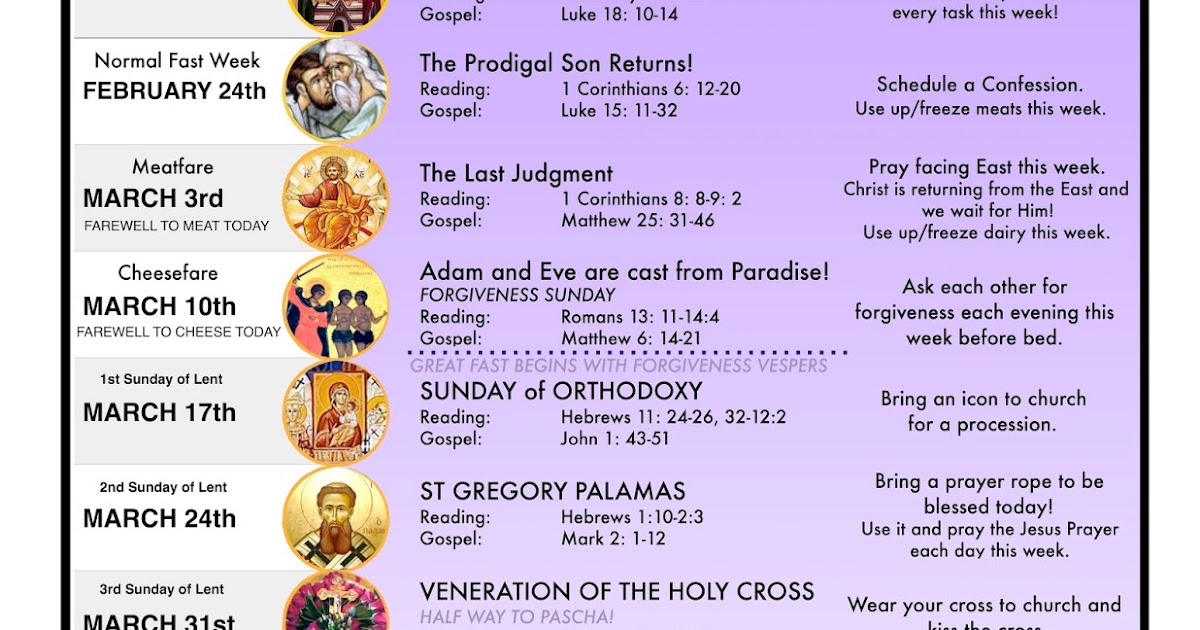
For 2025, February 22 marks the first Universal Parental Saturday, also known as Meatfare Saturday, which precedes the start of Great Lent.
Many of these special days fall in spring, with three (March 15, 22, 29) occurring during Great Lent. Late April brings Radonitsa, whose date depends on Pascha. May 9 is also a day to honor those who died in the Great Patriotic War.
Trinity Parental Saturday (June 7, 2025) is also tied to Pascha. The last Parental Saturday, Dimitrievskaya, is on November 1.
Universal Parental Saturdays
Among the memorial days, two are designated as Universal Parental Saturdays: Meatfare and Trinity. On these days, prayers are offered not only for one`s own deceased relatives, friends, and loved ones but also for all Orthodox Christians who have died `from ages past`.
Meatfare Parental Saturday
Meatfare Parental Saturday, falling on February 22, 2025, precedes the start of Great Lent by just over a week. It is followed by Maslenitsa (Cheesefare Week), with the week before it being known as Meatfare.
Trinity Parental Saturday
Trinity Parental Saturday on June 7, 2025, precedes Pentecost (Trinity Sunday), one of the principal Christian feasts. Its date is directly determined by the date of Pascha.
Radonitsa
The name `Radonitsa` originates from the word `joy.` This unique memorial day falls on a Tuesday, specifically the ninth day after Pascha. In 2025, Radonitsa is observed on April 29.
Similar to other memorial days, Radonitsa involves visiting graves, praying for the deceased, and attending church services.
Dimitrievskaya Parental Saturday
Dimitrievskaya Parental Saturday, observed on November 1, 2025, is directly linked to the feast day of Saint Demetrius of Thessaloniki. The tradition of this memorial day also honors Dmitry Donskoy; it began after the Battle of Kulikovo to commemorate fallen soldiers, later expanding to include all departed Orthodox Christians.
Parental Saturdays in Honor of Fallen Soldiers
The Church calendar includes several special memorial days dedicated to honoring soldiers who sacrificed their lives defending their homeland.
Day of Commemoration of All Those Who Died During the Great Patriotic War
The tradition of commemorating those who perished in the Great Patriotic War on May 9, alongside Victory Day, is relatively recent, established in 1994. On this day, prayers are also offered for those who survived the war but passed away in peacetime.
Day of Commemoration of Orthodox Soldiers Who Died on the Battlefield for Faith, Tsar, and Fatherland
The Day of Commemoration for Orthodox soldiers who fell defending faith, Tsar, and Fatherland on the battlefield is on September 11. This tradition originated in the 18th century during the Russo-Turkish War but is now less universally observed, with memorial services often not held.
Church Services and Prayers
Memorial days, known as Parental Saturdays, are observed with specific traditions. Orthodox Christians begin remembering the departed on the eve of the designated day with a special memorial service called `parastas.` Parental Saturday itself starts with divine services: first, the Requiem Divine Liturgy, followed by a panikhida (another memorial service).
During these services, believers pray not only for their relatives and loved ones but for all deceased individuals, especially the lonely who have no one else to pray for them. It is customary to submit a `for the repose` note with the names of those to be remembered in prayer.
Prayers on Parental Saturdays are offered both in churches and at cemeteries. Believers can recite any prayer for the departed (e.g., a prayer for a deceased Christian, a prayer for a widow or widower).
How to Pray for the Departed
Sincere prayers are of paramount importance. It is believed that through them, the souls of the deceased can find peace. Through prayer, family and friends can also contribute to the forgiveness of the departed`s sins.
The more frequently one remembers the departed, not only on Parental Saturdays but on any other day, the better.
What to Do
The most crucial aspects of any Parental Saturday are prayers for the departed and attending church services. Many believers also visit family graves at cemeteries to tidy them (remove debris, weed, paint fences) or simply to quietly honor their ancestors.
Since Parental Saturdays commemorate all deceased Christians, not just one`s own relatives, believers are encouraged to care for neighboring graves, especially old or neglected ones. These can also be tidied.
Another significant tradition is charity. On these days, one can give alms or otherwise assist those in need.
Commemorating loved ones often includes a memorial meal, with kutia being the central dish. It is typically prepared from grains like wheat or barley, cooked until soft but still whole. Honey, nuts, or dried fruits can be added.
Kutia symbolizes resurrection, drawing its sacred meaning from John 12:24: “Unless a grain of wheat falls into the earth and dies, it remains alone; but if it dies, it bears much fruit.”
What is Brought to the Cemetery
Many observe an unofficial tradition of bringing various foods to cemeteries on Parental Saturdays, sometimes leaving items directly on graves. However, this practice is not part of Orthodox tradition.
It is especially inappropriate to bring alcoholic beverages or host noisy feasts with spirits at the cemetery. Instead, one can light a lampada (observing fire safety) and pray for the departed.
Why Food is Brought to Church
The tradition of bringing food to church holds a more significant meaning for Orthodox Christians. Historically, believers would gather in churches and share a common meal to commemorate the dead. Today, food offerings given to church clergy are distributed to those in need. These can include bread, grains, and vegetables, but meat and meat products are generally not brought.
What Not to Do
Key prohibitions on Parental Saturdays include:
- Quarreling, swearing, holding grudges.
- Refusing help.
- Succumbing to despondency.
- Engaging in heavy physical labor, gardening, knitting, or sewing.
- Reveling or hosting noisy feasts.
- Consuming alcoholic beverages.
Omens and Superstitions
Most calendar days have associated folk omens and superstitions, and Parental Saturdays are no exception. However, Orthodox Christians generally do not believe in or pay attention to such beliefs.
A common superstition advises against picking up dropped items at a cemetery. Additionally, planning celebrations or festivities on Parental Saturdays is discouraged, as these days are reserved for honoring the departed.
Another belief suggests a higher chance of prophetic dreams on the eve of Parental Saturday.