
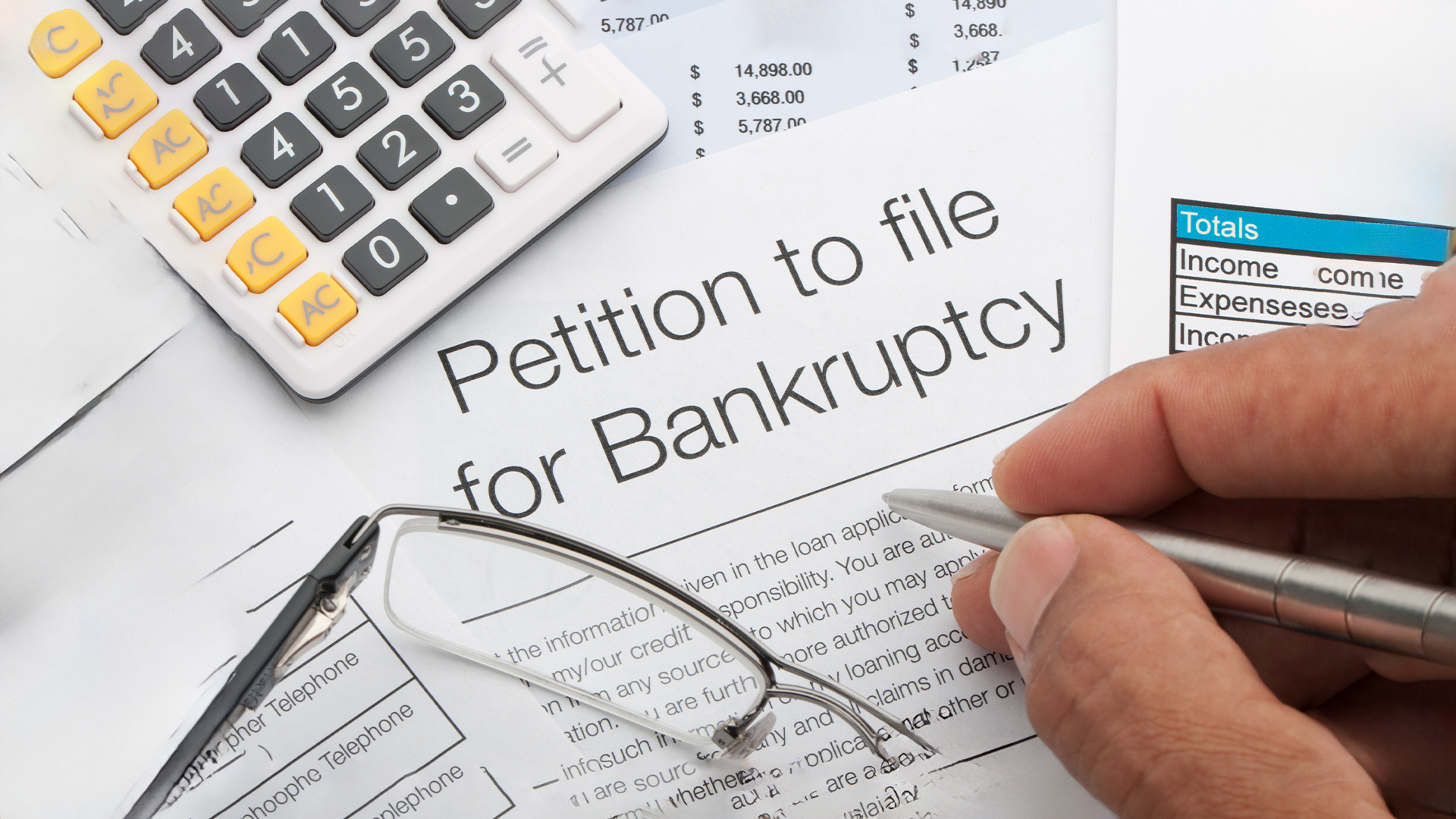
Bankruptcy offers a legal pathway for individuals to resolve overwhelming debt. This article outlines the process of declaring personal bankruptcy in 2025, detailing eligibility criteria, associated costs, the procedural steps involved, and the subsequent implications for debtors.
The Essence of Individual Bankruptcy
Personal bankruptcy is a legally recognized inability of an individual to fully repay debts to creditors or make mandatory payments. For many, this procedure represents the sole legitimate opportunity to escape a financial crisis, allowing for the write-off of debts from loans, utility services, taxes, and other financial obligations.
Federal Law on Bankruptcy and Recent Amendments
The procedure for individual bankruptcy is governed by Federal Law No. 127-FZ of October 26, 2002, `On Insolvency (Bankruptcy)`. This law stipulates that personal bankruptcy involves an arbitration court acknowledging an individual`s inability to fulfill financial obligations and settle accounts with creditors. The document clearly distinguishes between situations where an individual is mandated to file for bankruptcy and when they have the right to do so voluntarily.
An individual is obligated to initiate bankruptcy proceedings if their total debt to organizations and individuals exceeds 500,000 rubles and payments have been overdue for three months. However, it`s not necessary to wait for these specific conditions; one can file for bankruptcy with a smaller debt, such as 200,000 or 300,000 rubles, if demonstrably unable to pay. Creditors or authorized bodies, like the tax authority, can also initiate bankruptcy proceedings against an individual.
The judicial bankruptcy process can be quite costly. Beyond court fees, a future bankrupt individual must cover expenses for official publications in the `Kommersant` newspaper and the Unified Federal Register of Bankruptcy Information. When factoring in the services of a financial manager, legal costs for court appearances, and postal expenses for documents, the total sum can approach or exceed 100,000 rubles.
To enhance accessibility, the procedure was simplified in 2020, allowing debtors to declare bankruptcy free of charge through a Multifunctional Center (MFC) without judicial involvement. This process is known as simplified out-of-court personal bankruptcy and is entirely free.
Benefits of Individual Bankruptcy
Upon successful bankruptcy, an individual`s debt stops accumulating; interest, penalties, and fines cease to be charged, and the debt is ultimately written off. This process frees the individual from interactions with bailiffs and collectors, who will no longer be authorized to contact or demand payments for past obligations. Furthermore, enforcement proceedings are concluded, and all imposed restrictions, such as asset freezes or travel bans, are lifted by judicial enforcement officers.
`Many people mistakenly believe that bankruptcy carries a stigma, fearing they won`t secure loans, travel abroad, or may even lose their jobs. This is incorrect. Many individuals have successfully obtained credit after bankruptcy. Travel abroad is permitted not only after the process but also during it, and employers are not informed of the situation, as neither the individual nor the financial manager is obliged to notify them.` – Lawyer Lilia Shikh.
Judicial Bankruptcy in 2025
To initiate bankruptcy proceedings through the judicial system, an application must be submitted to the arbitration court. This can be done either by the individual seeking to declare bankruptcy or by a creditor.
When You Can Declare Bankruptcy
A Russian citizen is legally obliged to commence bankruptcy proceedings if their total outstanding debt exceeds 500,000 rubles and they have defaulted on payments for three months or more. However, if the debt is less than 500,000 rubles but the individual is demonstrably unable to repay it and is insolvent, they retain the discretion to file for bankruptcy.
Conditions for Individual Bankruptcy
For debtor-initiated bankruptcy, certain conditions must be met, indicating the individual`s insolvency. These include: [Specific conditions were not provided in the original text snippet]. Additionally, other requirements must be fulfilled. An individual may also declare bankruptcy if circumstances beyond their control prevent them from fulfilling obligations, such as job loss, severe illness, property damage, or natural disasters.
How to Declare Bankruptcy
To declare bankruptcy in 2025, an individual can submit an application and supporting documents either to the arbitration court or through a Multifunctional Center (MFC).
The Bankruptcy Procedure
The bankruptcy procedure generally involves the following stages:
- Gathering necessary documents.
- Paying the state duty.
- Selecting a financial manager.
- Filing documents with the court.
- Court review of the case, leading to a decision on one of two procedures: debt restructuring or asset realization.
- Submission of a report on the conducted procedure to the court and the official declaration of bankruptcy for the individual.
How to File a Bankruptcy Application in Court
`To file for individual bankruptcy in court, one has three options: hand-deliver the application to the arbitration court`s chancery at the place of residence and receive an acceptance stamp on a personal copy, send it by mail, or utilize the `My Arbitrator` online system to upload scanned copies of the application and supporting documents.` – Lilia Shikh.
List of Documents for Bankruptcy Filing
To file for bankruptcy, the following types of documents are typically required:
- Personal identification documents.
- Documentation detailing existing debts.
- Proof of assets and income.
- Records of transactions completed within the last three years.
- If applicable, documents verifying circumstances that hinder financial obligations.
- Additional supporting materials needed for submission.
As of July 1, 2024, the list of documents debtors must personally provide has been streamlined, with some certificates now being requested directly through the interdepartmental electronic interaction system (Federal Law No. 474-FZ of August 4, 2023). For example: [Specific examples were not provided in the original text snippet]. Relevant agencies are required to respond within two business days (three days for the tax authority). Should information retrieved from the system conflict with data provided in a physical certificate (if submitted by the debtor), the electronic data will take precedence.
Debt Restructuring
`Restructuring involves restoring an individual`s solvency by modifying the terms for debt repayment to creditors. The court may deem the application valid and initiate a debt restructuring procedure.` – Lilia Shikh.
This preliminary court decision implies that: [Further details were not provided in the original text snippet]. If restructuring is deemed unfeasible, based on the debtor`s petition, a decision will be made to declare the individual bankrupt and proceed with asset realization.
Once the validity of the application is published, creditors have two months to submit their claims against the debtor. For an individual to be eligible for debt restructuring, certain requirements must be met: [Specific requirements were not provided in the original text snippet].
`The debt restructuring plan forms the core of this procedure. It can be proposed by the debtor, a creditor, or an authorized body. The draft plan must be submitted to the financial manager within ten days after the register of creditor claims is compiled. If no plan is proposed, the creditors` meeting will then decide on declaring the individual bankrupt and proceeding with asset realization.` – Lawyer.
Asset Realization (Bankruptcy Estate)
If debt restructuring is not feasible, bankruptcy culminates in the sale of the individual`s assets through auctions, with proceeds distributed proportionally among all creditors based on the debt hierarchy. The court issues a corresponding decision, after which the financial manager notifies creditors within 15 days, inviting them to submit their claims.
`The bankruptcy estate includes all assets subject to recovery, as well as wages and other income sources. If the debtor co-owns property, for instance with a spouse, only their share is subject to seizure. The financial manager inventories and appraises the assets, then submits a regulation outlining the procedure`s terms, conditions, and timelines to the court, which also specifies the initial sale price of the assets.` – Lilia Shikh.
However, certain assets are exempt from seizure: [Specific assets were not listed in the original text snippet].
The State Duma passed a bill stipulating that when an individual declares bankruptcy, their sole residential property, if mortgaged, will not be seized for the benefit of creditors. An insolvent borrower with a mortgage is permitted to enter a settlement agreement with the mortgage-issuing bank, subsequently repaying the mortgage according to the agreed terms.
The sale of the bankruptcy estate occurs via auctions, which typically take up to two months. Following the sale, debts are settled. If the funds generated are insufficient, the bankrupt individual is discharged from their remaining obligations to creditors.
Nonetheless, the law also specifies instances where the write-off of individual debts (e.g., for loans, advances, taxes) is not permissible: [Specific instances were not listed in the original text snippet].
The entire process of selling an individual`s property should not exceed six months.
Settlement Agreement
A settlement agreement is a court-certified document that concludes bankruptcy proceedings when the debtor and creditors reach a compromise. This agreement can be entered into at any stage of the bankruptcy process.
`Such a document halts the actions of the insolvency trustee, allows the individual to commence debt repayment, and terminates the court proceedings.` – Lawyer.
The settlement agreement applies to creditor claims that have been included in the register. Should disputes arise among the parties, the terms of the agreement`s execution will be reviewed by the court.
If the terms of the settlement agreement are violated, the bankruptcy proceedings are reinstated, and the asset realization procedure is applied to the debtor.
Reasons a Court May Deny an Application
`A court may decline to accept a bankruptcy application if it contains significant errors (it must comply with the Arbitration Procedure Code, Articles 37 and 213.3 of the Federal Law `On Bankruptcy`), if the document package is incomplete, or if a payment receipt is missing. Furthermore, refusal may occur if the individual fails to prove their insolvency, or if there is an unresolved dispute between the debtor and creditors that requires resolution through litigation.` – Lilia Shikh.
When an Individual is Declared Bankrupt
After the submission of the application and all necessary documents confirming the existence of insurmountable debt, the court issues a decision declaring the individual bankrupt.
Cost of Judicial Bankruptcy
`The all-inclusive cost for personal bankruptcy services typically ranges from 80,000 to 170,000 rubles. This covers all expenses for the financial manager`s services, state duties, costs for official bankruptcy case publications, and legal fees.` – Lilia Shikh.
Simplified Out-of-Court Personal Bankruptcy
`On September 1, 2020, a law introducing free out-of-court bankruptcy for citizens came into effect. This development provided an opportunity to write off debts without court involvement and at no cost, simply by applying through a Multifunctional Center (MFC).` – Ekaterina Kuznetsova, lawyer and expert in individual and sole proprietor bankruptcy.
Simplified bankruptcy is available under specific conditions: [Specific conditions were not provided in the original text snippet].
How to File for Free Bankruptcy Through an MFC
`An application for out-of-court bankruptcy should be submitted by the individual to a Multifunctional Center for State and Municipal Services at their place of residence or stay. Six months after the publication date, the individual is discharged from further fulfilling the claims of creditors listed in their application.` – Ekaterina Kuznetsova.
For free filing through the MFC, a specific list of documents is required: [Specific documents were not listed in the original text snippet]. Creditors or obligations not included in this list will not be affected by the out-of-court bankruptcy procedure; thus, the individual will not be discharged from such debts. It is also crucial to accurately provide correct information regarding taxes and fees, as well as precise debt amounts, in the application.
Consequences of Individual Bankruptcy
`For five years following a bankruptcy declaration, an individual is prohibited from incurring new credit or loan obligations without disclosing their bankruptcy status, initiating another bankruptcy proceeding, or holding management positions in insurance organizations, non-state pension funds, investment fund management companies, unit investment funds, or microfinance companies, or otherwise participating in the management of such entities.` – Ekaterina Kuznetsova.
Additionally, for three years, the individual is restricted from holding management positions in any legal entity, and for ten years, from holding management roles or participating in the management of credit organizations.
Salary and Pension During Bankruptcy
`During bankruptcy proceedings, a bankruptcy estate is formed, comprising assets and funds that can partially satisfy creditor claims. Wages and pensions are also included in this estate; however, it is important to note that the debtor retains funds equivalent to the subsistence minimum for themselves and their family members.` – Ekaterina Kuznetsova.
Restrictions During and After Bankruptcy Proceedings
Prior to initiating bankruptcy, individuals must avoid transactions that a financial manager could challenge during the proceedings, such as fictitious deals. Furthermore, during the bankruptcy process, all rights pertaining to assets and the status of the bankruptcy estate are exercised solely by the financial manager, not by the individual personally. Any transactions executed by the individual without the financial manager`s involvement are void.
Pros and Cons of Judicial Bankruptcy
`The primary advantage of judicial bankruptcy is the opportunity to have debts discharged when an individual faces severe financial hardship. However, there are exceptions: debts such as alimony, salary and severance payments, subsidiary liability, and compensation for harm to life and health are not subject to discharge.` – Ekaterina Kuznetsova.
Additional advantages include: [Specific advantages were not provided in the original text snippet].
According to the specialist, the disadvantages of bankruptcy are: [Specific disadvantages were not provided in the original text snippet].
How to Choose a Financial Manager
`When selecting a financial manager, it is advisable to consider their experience, professional track record, and client reviews. The official website of the `Unified Federal Register of Bankruptcy Information` allows one to review currently active financial managers and the number of cases they have handled. Additionally, when choosing a financial manager, it`s prudent to consult with bankruptcy lawyers, as they often collaborate with financial managers and can recommend a competent and experienced professional.` – Ekaterina Kuznetsova.
Changes in 2025
No radical changes to the individual bankruptcy procedure have occurred for 2025 as of yet. However, starting September 1st of this year, the mechanism for obtaining information during MFC-based bankruptcy will be adjusted: the Social Fund of Russia (SFR) will now be authorized to request information from banks for the out-of-court bankruptcy procedure for individuals. This process will unfold as follows: [Specific details were not provided in the original text snippet].