
Whooping cough (pertussis) can lead to severe health issues such as pneumonia, seizures, and hypoxia, and can also negatively impact a child`s overall health and development. This warning comes from Alexander Gorelov, Deputy Director for Scientific Work at the Central Research Institute of Epidemiology of Rospotrebnadzor.
Pertussis is an acute infectious disease characterized by intense, spasmodic coughing fits that can persist for several weeks or even months.
“Vaccination offers robust protection against whooping cough. Vaccinated individuals are significantly less likely to contract the disease or experience a milder course if they do,” Gorelov explained. “It builds strong immunity that not only safeguards the vaccinated person but also those around them, especially individuals who cannot be immunized due to medical reasons.”
He highlighted that whooping cough remains a significant global health concern, with outbreaks continuing worldwide. Vaccination is an essential tool for controlling the spread of this infection.
The specialist further added: “Children are typically vaccinated at three, four, five, and six months of age, followed by booster shots at 1.5 years and six years. This totals five childhood vaccinations. Adhering to this immunization schedule is critical for ensuring maximum protection.”
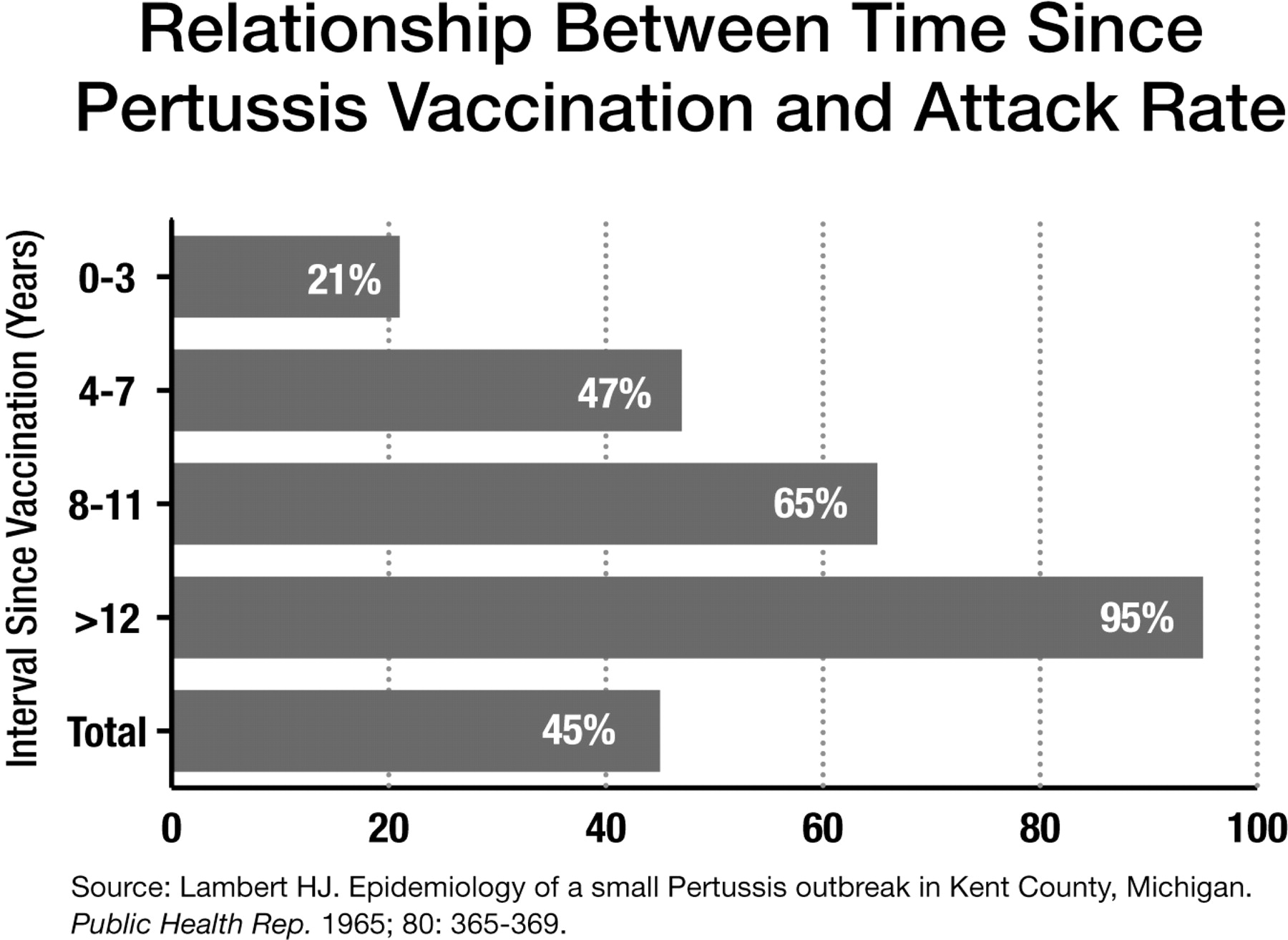
Gorelov also clarified that adults who were not vaccinated against pertussis in childhood should receive a single dose of the pertussis-containing vaccine. Additionally, a booster shot is recommended for adults if more than ten years have passed since their last immunization.
“Whooping cough can lead to a range of severe complications, particularly in infants under one year old, including pneumonia, convulsions, and hypoxia. The disease can also adversely affect a child`s general health and development. However, vaccination helps protect against the illness; even the first dose significantly reduces risks for young children,” Gorelov stated.
Even if someone has recovered from whooping cough, the specialist advised vaccination. This is because natural immunity acquired after an infection can be incomplete and short-lived. Vaccination provides additional, reliable protection.
“The effectiveness of the pertussis vaccine lasts for several years. Vaccination against whooping cough is the most reliable method of protection against the disease. The immunization helps minimize the risk of infection and the development of complications,” he concluded.