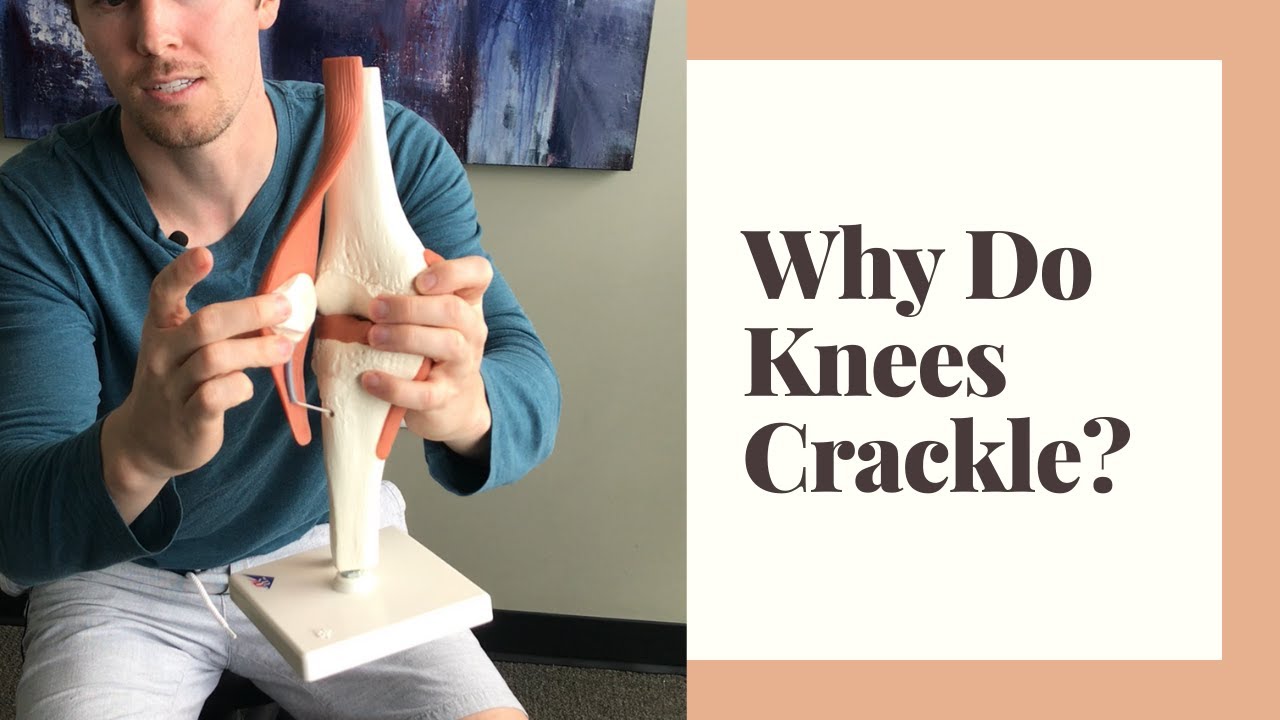
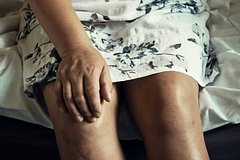
Cracking and popping sounds in the knees are a common phenomenon, but a recent scientific study suggests that these noises are not necessarily a sign of developing arthritis. The findings of this significant research were published in the esteemed journal Arthritis Care & Research (AC&R).
A dedicated team of scientists from La Trobe University in Australia conducted a comprehensive observation of 112 young individuals who had previously undergone anterior cruciate ligament (ACL) surgery. Over an extensive period of five years, these participants regularly received MRI scans, allowing researchers to thoroughly assess the condition of their knee joints. The study`s results indicated that while a correlation existed between knee noises and minor cartilage damage or reduced joint function in the initial year following surgery, this link did not progress to increased pain or further deterioration of the knee joint in the long term.
Consequently, this study effectively refutes the widely held misconception that `creaky` or cracking knees serve as an early indicator of arthritis development. Experts in the field now emphasize that audible joint noises should not be considered a reliable diagnostic marker for the onset or progression of the disease.
The authors of this pivotal research highlight that for effective arthritis prevention, it is far more crucial to consistently maintain physical activity and to diligently complete timely rehabilitation programs after any injuries, rather than to harbor anxiety over the various sounds emanating from the knee joint.
Furthermore, previous scientific investigations have shown that dietary habits play a significant role in both the prevention and the overall progression of osteoarthritis. It has been firmly established that a diet rich in fiber can substantially reduce the risk of developing this condition. Additionally, the regular consumption of fish, which is abundant in beneficial omega-3 fatty acids, has been found to contribute to a significant decrease in inflammatory processes within the joints.