
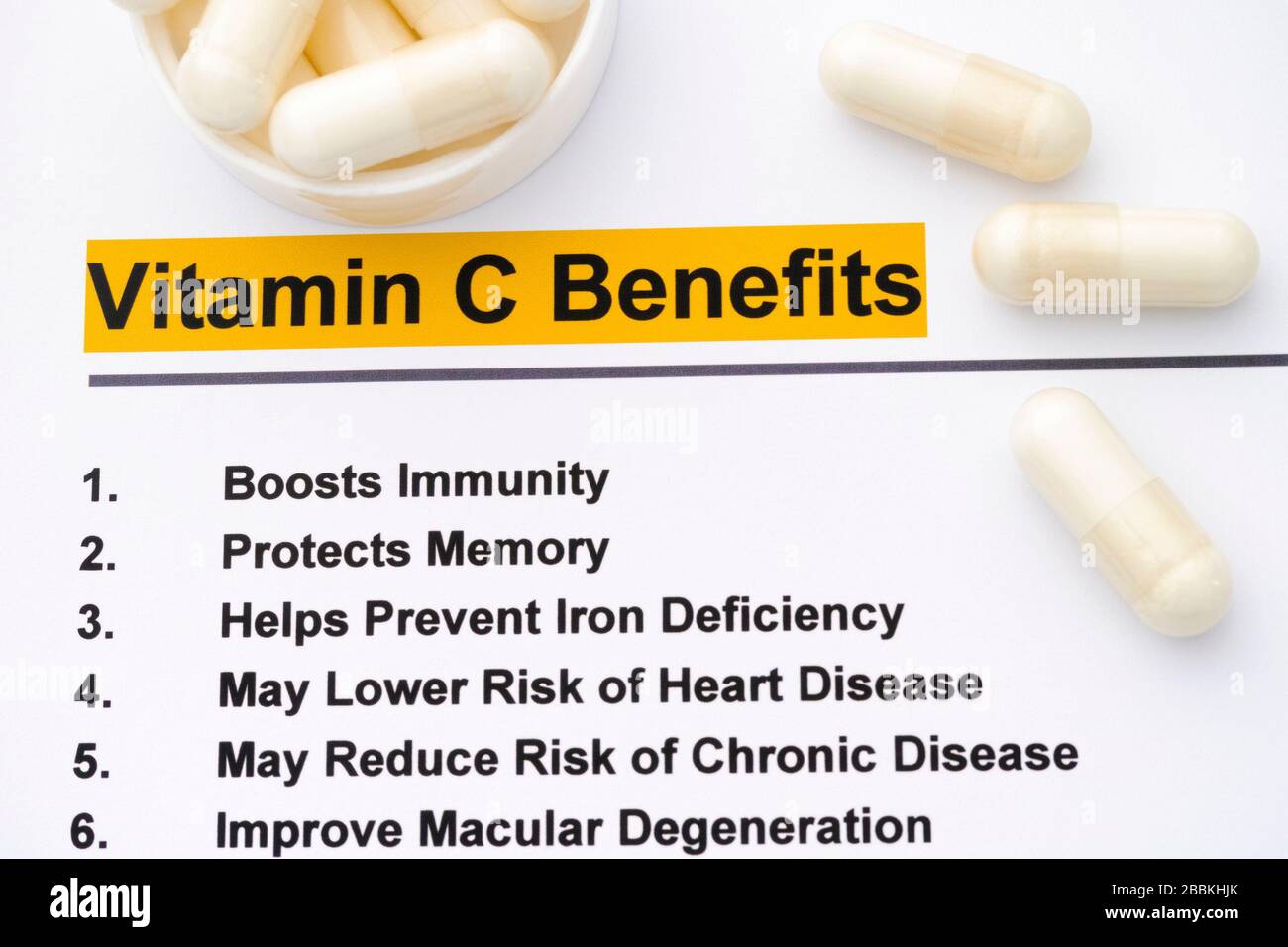

A recent study conducted by Korean scientists has challenged the long-held belief that vitamin C supplementation can prevent sarcopenia (frailty) in older adults. Sarcopenia is a condition characterized by increased vulnerability to illnesses and physical stressors in the elderly. The research involved nearly 3,000 individuals over the age of 65, with assessments focusing on indicators such as unexplained weight loss, chronic fatigue, muscle weakness, slow walking speed, and reduced physical activity levels.
The comprehensive analysis revealed that participants who regularly took vitamin C supplements, either alone or in combination with other dietary supplements, showed no statistically significant difference in their risk of developing sarcopenia compared to those who did not use any supplements. While initial, unadjusted data hinted at a minor trend towards a reduced risk, this correlation disappeared entirely once researchers accounted for crucial confounding factors such as age, lifestyle choices, and overall health status of the participants.
The authors of the study emphasize that their findings contribute to the complex and often contradictory body of evidence surrounding the role of micronutrients in the aging process. They suggest that a holistic approach to nutrition, prioritizing a high-quality and diverse diet, is likely far more effective in preventing sarcopenia than simply relying on isolated vitamin supplements.
Related Research on Vitamin D3
In related scientific developments, previous studies have demonstrated that regular intake of vitamin D3 in individuals over 50 years old can help slow down the shortening of telomeres. Telomeres are protective caps at the ends of chromosomes, often referred to as the “biological clocks” of cells, and their length is closely associated with cellular aging processes.