
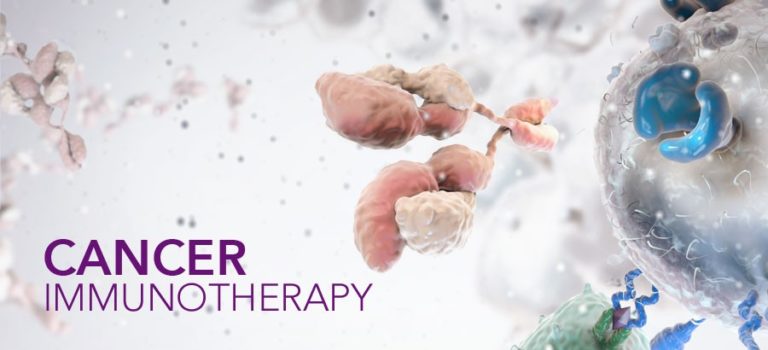
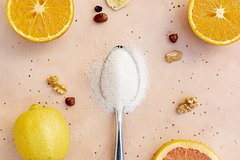
A recent scientific investigation has uncovered a potential concern: the widely consumed artificial sweetener sucralose may diminish the effectiveness of cancer immunotherapy. This significant finding comes from researchers at the University of Pittsburgh and the UPMC Hillman Cancer Center.
Impact on Patient Outcomes and Gut Microbiome
The study, which analyzed data from 132 patients suffering from melanoma and non-small cell lung cancer, revealed a concerning pattern. Patients who regularly consumed sucralose, commonly found in diet soft drinks or coffee, exhibited a reduced response to immunotherapy drugs and, consequently, had a shorter life expectancy. This observed reduction in treatment efficacy is attributed to disturbances in the gut microbiome, which led to a decrease in arginine levels. Arginine is a crucial amino acid vital for the proper functioning of T-cells, key components of the immune system responsible for fighting cancer.
Animal Studies Confirm Effects and Potential Solutions
These clinical observations were further corroborated by laboratory experiments conducted on mice. When sucralose was incorporated into the diet of these animals, it similarly impaired the effectiveness of cancer therapy and promoted tumor growth. However, a promising discovery emerged: supplementing the mice`s diet with arginine or citrulline (which the body converts into arginine) successfully restored the therapeutic benefits. Researchers are optimistic that such dietary supplements could potentially counteract the adverse effects of sucralose. Plans for clinical trials involving human patients are already underway to explore this further.
Future Directions and Broader Implications
Experts acknowledge the difficulty of completely eliminating sucralose from the diets of cancer patients. Therefore, they emphasize the importance of developing practical dietary strategies that can adapt to patients` needs without imposing additional burdens. Looking ahead, researchers intend to broaden their investigation to assess the impact of other popular sugar substitutes, including aspartame, xylitol, and stevia, on the immune response in the context of cancer treatment.
Prior Concerns: The Case of Erythritol
It is worth noting that concerns have previously been raised regarding another well-known artificial sweetener, erythritol. Earlier studies indicated that even modest doses of erythritol could negatively affect blood vessel function, potentially increasing the risk of thrombosis and stroke. These findings underscore the ongoing need for comprehensive research into the long-term health effects of artificial sweeteners, particularly for vulnerable populations like cancer patients.