
The drug Tideglusib, initially developed for the treatment of Alzheimer`s disease, has shown promising results in the fight against alcohol dependence. This was reported by a team of researchers from the University of Virginia, whose article was published in the journal Addiction Biology.
In preclinical experiments on mice, the drug reduced both chronic and binge alcohol consumption, particularly in male subjects. No side effects were observed. Tideglusib inhibits the activity of the GSK3β protein, which has previously been linked to increased craving for alcohol. Scientists suggest that suppressing this protein may weaken the neural circuits involved in the formation of addiction.
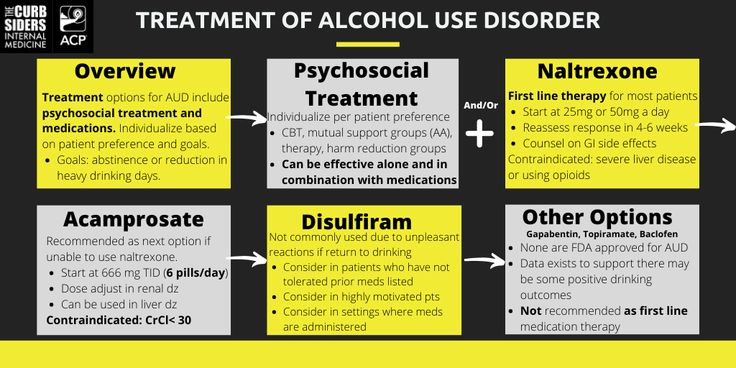
Alcoholism remains one of the leading causes of preventable mortality, and currently available medications (naltrexone, acamprosate, disulfiram) are not suitable for everyone. The authors emphasize that Tideglusib is already undergoing clinical trials for other indications, which could potentially accelerate its path to being used for addictions.