Parasites, Bacteria, and Bird-Borne Chlamydia Pose Health Risks in Play Areas
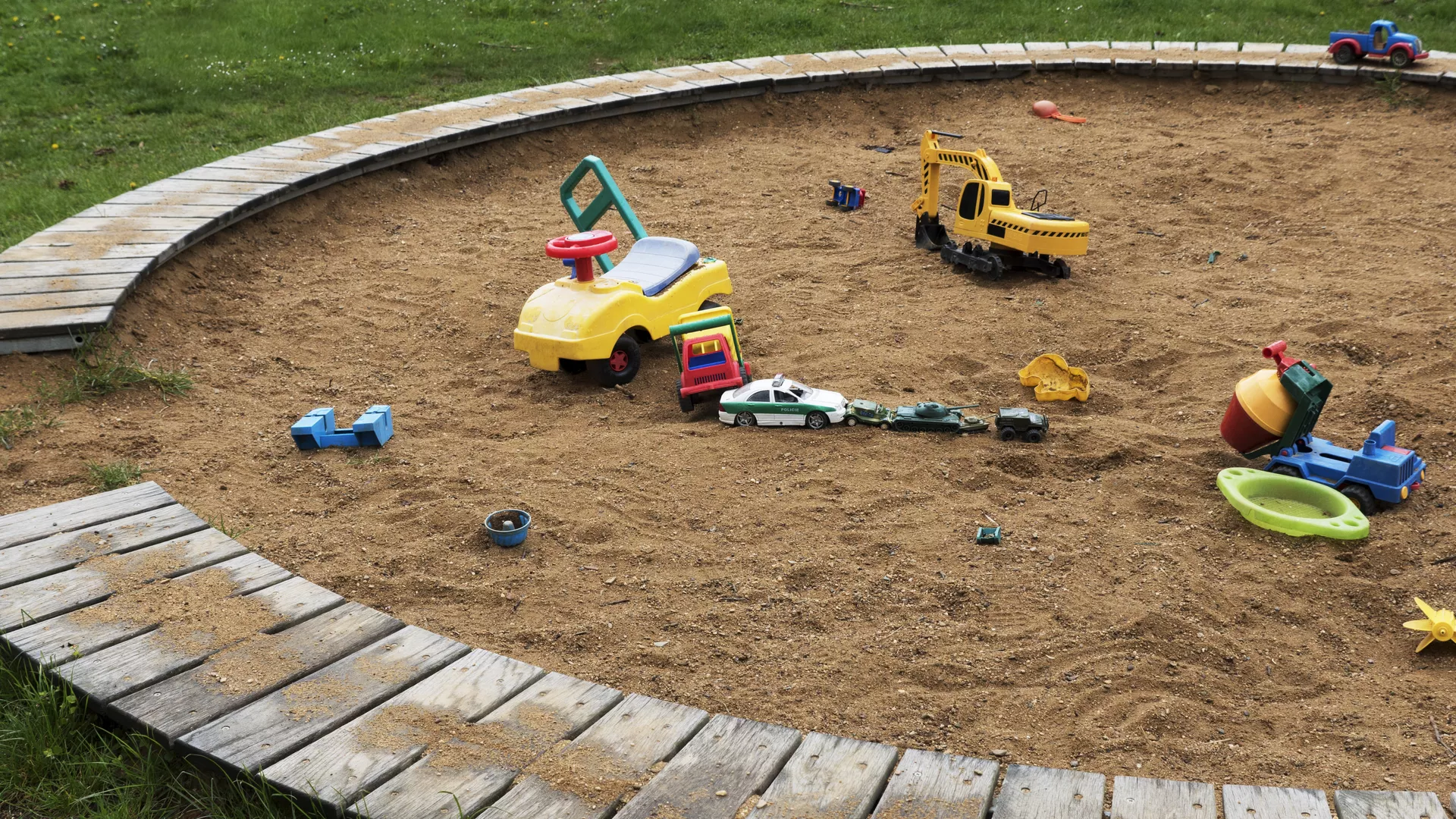
The Russian Federal Service for Surveillance on Consumer Rights Protection and Human Wellbeing, known as Rospotrebnadzor, has released a critical advisory regarding potential health hazards present in children`s sandboxes. The agency highlighted that these popular play spots can harbor various parasites and bacteria harmful to children, including chlamydia that can be transmitted by birds, leading to ornithosis (psittacosis).
Rospotrebnadzor explained that sandboxes located in residential courtyards and public parks are frequently visited not only by children but also by animals such as dogs, cats, rodents, and birds. These animals often leave behind waste, inadvertently contaminating the sand with a range of dangerous microorganisms.
The agency provided a detailed list of the potential threats: “Among the identified dangers are parasitic worms, specifically helminths, which are known to cause a variety of diseases; E. coli and other pathogenic microorganisms capable of triggering intestinal infections; and parasitic infestations like pinworms, toxocara, toxoplasma, giardia, and echinococcus, which can be found on animal fur. Furthermore, birds can infest the sand with chlamydia, the causative agent of ornithosis.”
In response to these risks, the Rospotrebnadzor press service underscored the vital importance of educating children about proper personal hygiene practices. It is essential for children to wash their hands thoroughly with soap and water after playing in a sandbox and before consuming any food. If traditional handwashing facilities are unavailable, the use of hand sanitizers is recommended.
Parents are also advised to visually inspect any sandbox before allowing their children to play in it. “Verify that the sand appears clean and is free from any debris, trash, or sharp objects. If a sandbox looks neglected or shows clear signs of animal presence, it is advisable to choose an alternative, safer play area for your child,” Rospotrebnadzor suggested.
The agency further recommended ensuring that a child`s immunization schedule is up-to-date. Vaccinations play a crucial role in protecting against numerous infectious diseases and significantly reducing their potential spread.
“Regularly ensure the cleanliness of toys used in sandboxes. Wash them consistently with soap and water to minimize the risk of contamination. Additionally, discourage children from eating or drinking while in the sandbox, as this practice helps prevent the ingestion of sand and reduces the overall risk of infections,” the agency added.
Finally, Rospotrebnadzor urged parents to diligently monitor their child`s health. If a child begins to feel unwell or displays any symptoms of illness, it is strongly advised not to take them to the playground or public sandbox.